
How to Apply for a Sponsor Licence in the UK: Step-by-Step Guide
Hiring globally sounds straightforward. Until you realise you cannot legally employ most overseas talent without a Sponsor Licence UK. And getting that licence is not a formality. It is one of the most scrutinised processes by the Home Office.
In fact, nearly half of applications fail or are withdrawn because businesses underestimate what is actually being assessed. It is not just filling out an online form. Rather, it is about proving your business is genuine, compliant, and capable of managing immigration responsibilities at scale. The Home Office checks your documents, your HR systems, and even your internal processes before approval.
So if you are planning to hire through the Skilled Worker Visa UK route or expand your workforce internationally, understanding how the UK Sponsorship Licence works is critical.
Our blog breaks it down clearly. What it is. Who needs it? And how to apply read on to know more.
What is Sponsor Licence UK?
A sponsor licence is an official permission provided by the Home Office for an employer to employ non-UK nationals in eligible roles under defined immigration categories. Applicants need to apply to the UK Visas and Immigration (UKVI). According to the Home Office, a company, a sole trader, or an individual can become a sponsor. With a sponsorship licence, an employer can issue a certificate of sponsorship to invite non-UK individuals on the following visas:
- Skilled Worker Visa UK
- UK Health & Care Worker Visa
- UK International Agreement Visa
In case your sponsor fails any mandatory requirements, they may get fined or lose their licence. And if the licence is revoked, it will influence sponsored employees, who will either switch to another sponsor, if their visa enables it, or leave the UK.
Who Needs a UK Sponsorship Licence?
Take a look at these:
- A UK Sponsorship Licence is for UK-based employees
- It is mandatory for UK businesses looking to bring in or hire non-UK employees
- If you wish to employ an immigrant in the UK, you also need a Sponsorship Licence UK.
- A sponsor licence UK enables employers to assign a Certificate of Sponsorship (CoS) to overseas nationals to come to the UK on either a skilled worker visa UK or another sponsored work visa route.
What are the Requirements For UK Sponsorship License?
This is where most applications either move smoothly or get delayed. The Home Office is not just checking if your business exists. Rather, they are checking if you can manage immigration compliance properly.
To apply for a Sponsor Licence UK, you must:
- You must be officially registered and trade in the UK legally. A limited liability company, for instance, needs to be registered with Companies House. You are not required to operate for a certain amount of time. Nonetheless, a minimum of one employee must reside in the United Kingdom and be in contact with the Home Office regarding any issues pertaining to the sponsorship license.
- You need to operate in the UK. Otherwise, the application will be refused instantly. And if you do not have a physical office in the UK and use a virtual business model, you can still apply for a UK sponsorship licence. But you must provide solid evidence that you operate in the UK and can legally fulfill the sponsor’s duties.
- You also need to show a genuine need to hire overseas workers and that the roles meet skill and salary thresholds under routes like the Skilled Worker Visa UK.
- You must have systems in place to manage sponsorship. This includes tracking employees, maintaining records, and reporting changes through the Sponsorship Management System.
- The company, directors, and key personnel must have clean immigration and criminal records.
- Your business must be genuine and actively trading in the UK. That includes proper registration and real operations.
Document Requirements for Sponsor Licence UK
It is vital to submit supporting documents within five working days of submitting the online application.
1. Business Documents
- Organizational chart (include names and titles if under 50 employees)
- Detailed sponsorship letter explaining
- Your business sector
- Reason to apply
- Roles you are going to sponsor
- SOC code and job duties
- Salary
- Required experience and qualifications
2. Financial Documents
- UK corporate bank statement
- Any required industry regulatory requirement
- VAT registration certificate
- HMRC employer registration certificate
3. Premises and Insurance
- Lease or proof of property ownership
- Employer’s liability insurance with at least £5 million coverage from an authorized insurer
All these documents must be accurate and consistent. Even small gaps can delay or lead to refusal.
How Can You Choose the Right Type of Sponsorship License?
The type of sponsor licence UK depends on the category of foreign workers that you plan to employ. There are two main categories:
- A Worker Licence is used for long-term roles. This includes routes like the Skilled Worker Visa UK and Health & Care visas.
- Temporary worker licence, which enables companies to invite qualified workers to the UK for a certain period, for any assignment or internship.
Within these, you will also deal with:
- Defined Certificate of Sponsorship — used for workers applying from outside the UK.
- Undefined Certificate of Sponsorship — used for workers already inside the UK or switching visas
Your UK Sponsorship Licence allows you to invite non-UK individuals from either or both categories. Also, employers must support the sponsored workers:
- Companies are required to pay foreign workers a minimum salary appropriate to their role.
- In exchange, sponsored employees must show that they have the training and experience needed to do their jobs well.
- The Home Office must be informed by employers of how they located the employee to whom they are making the request.
How To Apply for a UK Sponsorship License?
If you are planning to apply for a sponsorship licence, here is a simple process:
- First, check your sponsor licence eligibility; ensure you fulfill all the conditions and have all the required documents.
- Complete the online application through UKVI. This includes business details, roles, and compliance declarations.
- Pay the application fee; it can vary depending on the size of your organization.
- After submission, the Home Office may conduct checks. This can include site visits to assess whether your systems and processes meet compliance standards.
- If approved, you will receive access to the Sponsorship Management System. This is where you assign a sponsorship certificate for UK visa applications, also known as a Certificate of Sponsorship (CoS).
It is a vital step. Without a valid CoS, a candidate cannot proceed with a Skilled Worker Visa UK application.
What is the Sponsor Licence Application Fee?
According to the UK Home Office, the sponsor licence application fees differ based on the type of licence.
Here is a brief breakdown of fees for small or charitable sponsors and medium or large sponsors:
| Type of licence | Fee for small or charitable sponsors | Fee for medium or large sponsors |
| Worker | £574 | £1,579 |
| Temporary worker | £574 | £574 |
| Worker and temporary worker | £574 | £1,579 |
| To an already-existing Temporary Worker license, add a worker license. | No Fee | £1,005 |
| To an existing worker license, add a temporary worker license. | No Fee | No Fee |
Also, while the UK Sponsorship Licence itself has a fixed fee structure, the total cost of sponsorship can be higher depending on your hiring plans.
Key Points To Remember While Making a Sponsor License Application
When preparing for a UK Sponsorship Licence, you should be aware of the following important factors:
- You should be able to prove the genuineness of the company/sponsor; therefore, submit all the necessary documents.
- You must ensure your business meets all sponsor licence eligibility criteria before applying. This includes having no serious criminal or immigration-related offences and demonstrating that your organisation is reliable and compliant.
- You should appoint the right key personnel from the start. These individuals will manage your licence and handle day-to-day compliance. Any issues here can delay approval or raise concerns during checks.
- You should have proper HR and compliance systems in place. The Home Office expects you to monitor employees, track visa conditions, and manage records through the Sponsorship Management System. If your internal processes are weak, your application can be refused even if your documents are correct.
Overall, to successfully apply for a sponsorship licence, you need more than paperwork.
What Should an Employer Do After Getting A UK Sponsorship Licence?
Once you have a UK Sponsorship Licence, your role shifts from applicant to compliance manager.
You must:
- Use the Sponsorship Management System correctly to assign certificates of sponsorship.
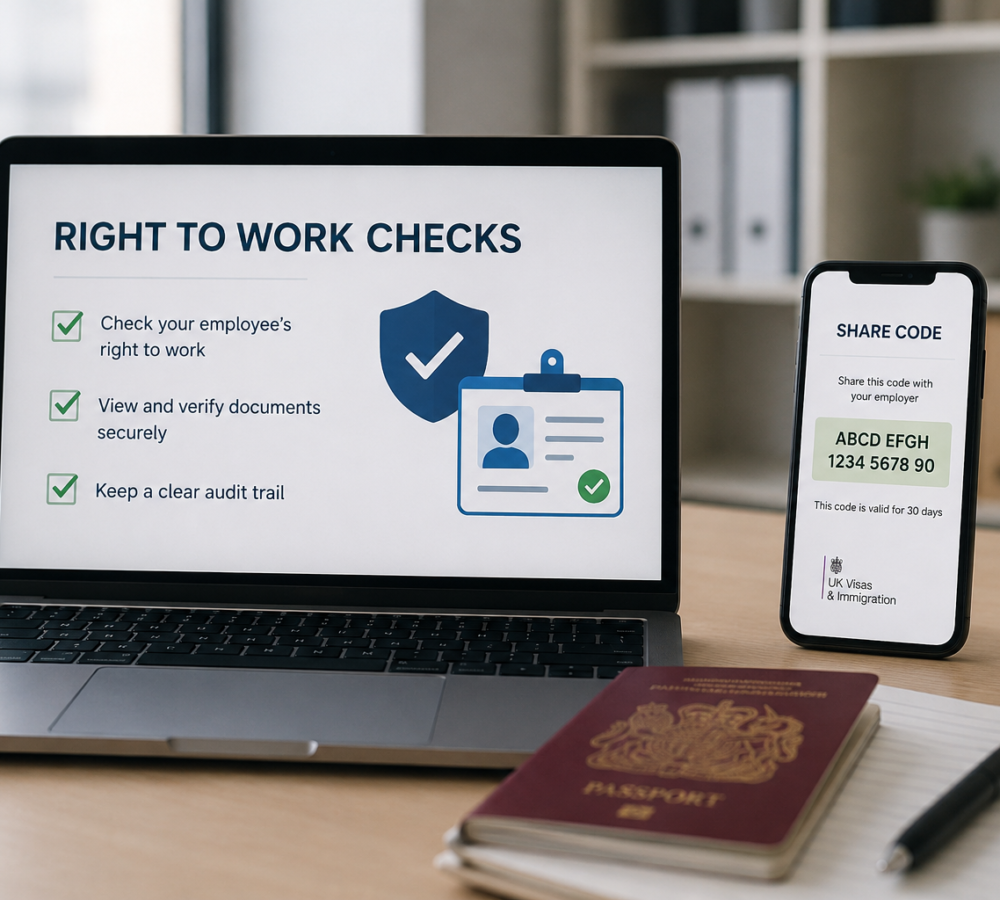
- Maintain accurate employee records and right-to-work checks.
- Report changes such as role updates or employee exits.
- Monitor visa status and compliance continuously
These are not optional. Rather, they are legal duties.
Failure to meet them can lead to licence downgrade, suspension, or revocation. And if revoked, sponsored workers may have to leave the UK.
In the End
A Sponsor Licence UK is more than permission to hire. It is a long-term compliance framework.
It allows you to bring in global talent through routes like the Skilled Worker Visa UK. It also creates pathways for employees who may later choose to bring their spouse or partner to the UK. But the system is strict. From meeting UK sponsorship license requirements to managing the Sponsorship Management System, every step matters.
If you approach it as a one-time application, problems will follow. If you approach it as an ongoing responsibility, it becomes a powerful hiring advantage.
FAQs (Frequently Asked Questions)
How long does the sponsor licence UK process take?
Well, the standard processing time is about 8 weeks from the submission of the application and supporting documents. For an extra cost, a priority service is offered, which cuts this down to about 10 working days, though it is not always available.
What should I do in case my application is refused?
The Home Office will send a refusal notice outlining the reasons. There is typically no right of appeal. Before reapplying, there may be a cooling-off period of up to 12 months during which the issues raised must be resolved.
Can I lose my sponsor licence after it is granted?
Yes. The Home Office can downgrade, suspend, or revoke a licence if your evidence is not compliant. Revocation terminates all sponsored workers’ visas, requiring them to leave the UK or pursue another eligible route.
What are the different types of sponsorship licences that exist in the UK?
There are multiple types of sponsorship licences, like a worker’s licence, and a temporary worker licence. However, depending on the sponsor’s compliance, the licence can be A-rated and B-rated; this rating is decided by the Home Office. Also, sponsors are divided into large, medium, and small sizes.
What if my sponsorship licence gets downgraded?
Home Office checks, and if they found any serious violations of immigration rules and the sponsor licence UK is downgraded to a B-rating, you must contact the Home Office within 10 days. However, you can restore your A-rating by following a few actions.