
Life in the UK Test and Citizenship Requirements
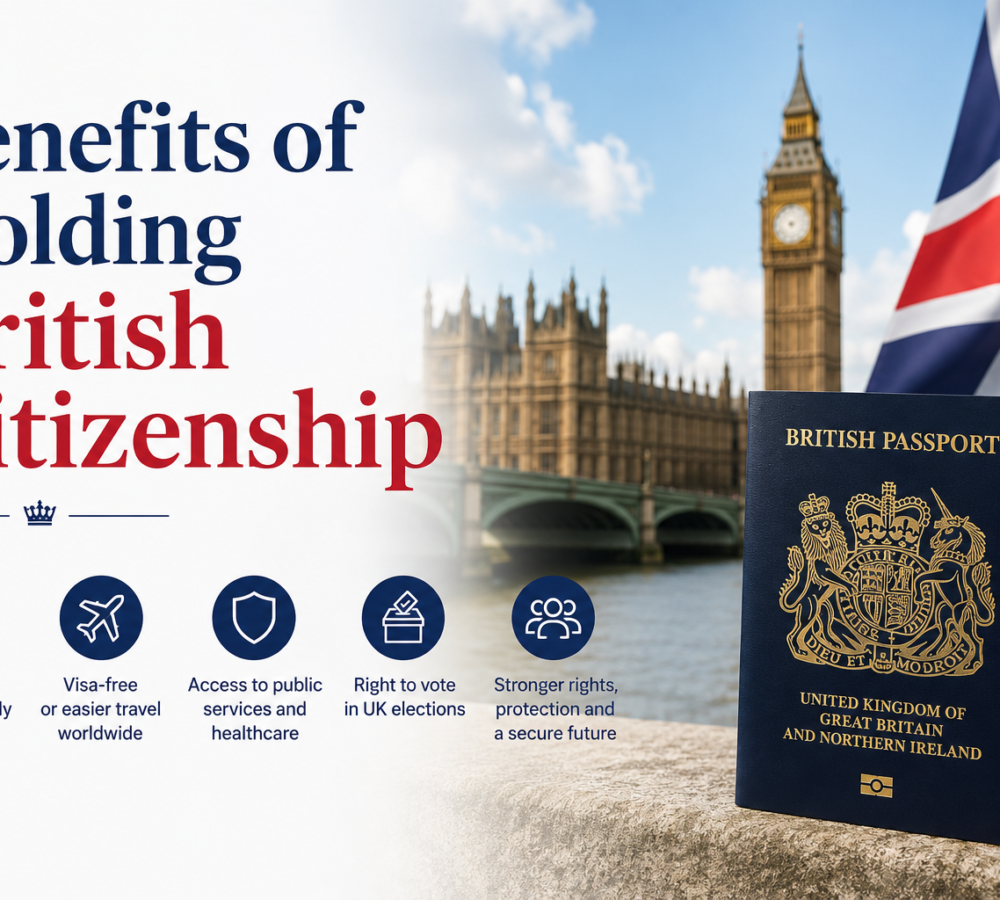
Reaching the point where citizenship feels within reach is a significant milestone after years spent on a UK visa. Whether your route began under Appendix Skilled Worker, Appendix FM, Appendix Family Reunion, or Appendix Student, the path forward from Indefinite Leave to Remain toward British citizenship involves several distinct requirements working together. The Life in the UK Test falls within this framework as one component of the Knowledge of Language and Life requirement, alongside the residence, character, and English language conditions set out in the Home Office nationality guidance. Given how frequently eligibility criteria and fees are reviewed, always confirm current details on the official GOV.UK naturalisation guidance before proceeding. This guide offers a considered starting point, not a substitute for advice tailored to your circumstances.
Understanding the Life in the UK Test
The Life in the UK Test forms part of the Knowledge of Language and Life requirement. It sits alongside the English language condition within the wider framework of citizenship requirements that applicants must satisfy before naturalisation or settlement can proceed.
The test checks understanding of British history, traditions, government, and everyday life. Every question comes from the official handbook, Life in the United Kingdom: A Guide for New Residents. Nothing outside this book is tested.
Test format at a glance:
| Detail | Requirement |
| Questions | 24, multiple-choice |
| Time allowed | 45 minutes |
| Pass mark | 75% (18 correct answers) |
| Fee | £50 per attempt |
| Booking | Official GOV.UK service only |
Figures such as fees and pass marks are set by the Home Office and reviewed periodically. Always confirm current details on the official GOV.UK Life in the UK Test page before booking.
A few points worth noting early:
- Bookings must be made at least three days in advance.
- The identity document used at booking must match the one brought on test day.
- A pass does not expire in the way some applicants assume, though current validity guidance should always be checked before relying on an older result.
- Most adults aged 18 to 64 must sit the test, with limited exemptions for age or long-term health conditions.
For visa holders working towards Indefinite Leave to Remain, booking the test well ahead of any application deadline avoids unnecessary pressure and leaves time for a resit if needed.
British Citizenship Requirements Beyond the Test
Passing the Life in the UK Test satisfies one part of the naturalisation process. British Nationality law, set out in the British Nationality Act 1981, requires several conditions to be met together before the Home Secretary can exercise discretion to grant citizenship.
Core requirements for adult naturalisation:
| Requirement | What it typically involves |
| Residence period | Around 5 years’ lawful residence, or 3 years if married to or in a civil partnership with a British citizen |
| Settled status | ILR or settled status held, usually for at least 12 months before applying |
| Physical presence | Present in the UK on the date exactly matching the qualifying period before the application |
| English language | B1 CEFR level or above, unless exempt |
| Life in the UK Test | A pass, unless exempt by age or health |
| Good character | Assessed against conduct, disclosure, and immigration history |
Applicants married to a British citizen do not need to wait 12 months after receiving ILR before applying, though every other requirement still applies in full. These figures are reviewed by the Home Office from time to time, so current thresholds should always be checked against official GOV.UK citizenship guidance before an application date is set.
How Visa Routes Lead Towards Naturalisation UK
The visa route held before settlement shapes how residence is calculated. Time spent under Appendix Skilled Worker, Appendix FM, or Appendix Family Reunion generally counts towards the qualifying period, provided lawful conditions were maintained throughout. Applicants who held time on Appendix Student should confirm carefully how that period counts, since study-based visas are not always assessed in the same way as work or family routes when building towards naturalisation.
Timing Your UK Citizenship Application
Timing errors remain one of the most common, avoidable causes of refusal. An application submitted even a day before the qualifying period ends will usually be rejected outright, regardless of how strong the rest of the evidence is.
A few habits reduce this risk:
- Keep a running log of travel dates, destinations, and reasons for absence.
- Recalculate the qualifying date shortly before submission, rather than relying on an estimate made months earlier.
- Build in a short margin before applying, rather than submitting on the earliest theoretical date.
Careful preparation at this stage saves considerably more time than it costs.
Bonus read: ILR Pathway Timelines UK
Preparing for the Life in the UK Test and Citizenship Application Together
Many applicants choose to pass the Life in the UK Test well before submitting their citizenship application. Since a pass result is generally accepted for later use, sitting the test early removes one variable from the process and allows attention to shift towards the remaining evidence.
A practical preparation checklist:
- Study the official handbook, Life in the United Kingdom: A Guide for New Residents, as the sole source of test content.
- Gather current and previous passports covering the full qualifying period.
- Confirm ILR or settled status documentation is in order.
- Collect English language evidence or confirmation of exemption.
- Identify two referees early, since Home Office criteria on who qualifies can be stricter than expected.
Working through these strands in parallel, rather than leaving them until the application form is open, tends to produce a smoother submission.
What Happens After the Life in the UK Test
A pass generates a unique reference number. This number confirms the result to the Home Office and must be entered on the application form. In most cases, there is no need to send a physical certificate alongside the citizenship application, though applicants should retain their result confirmation until the process is complete.
Test results and reference numbers are checked directly against Home Office records, so the details entered on the form must match those used at booking. Current guidance on what evidence to keep is available on the official GOV.UK page on test results.
The Citizenship Ceremony and Certificate
A successful decision leads to an invitation to a citizenship ceremony, arranged through the local authority. At the ceremony, applicants take the Oath of Allegiance, or an Affirmation for those who prefer a non-religious wording, and receive a certificate of naturalisation.
Ceremonies must usually be attended within a set period after the decision is issued. Current timeframes vary slightly by local authority, so it is worth confirming the deadline as soon as the invitation arrives. The certificate received at the ceremony is what allows an application for a British Passport to follow.
British Passport, Dual Citizenship and Citizenship by Descent Considerations
A certificate of naturalisation confirms citizenship status. It does not include a British Passport. The passport application is a separate step, submitted once the certificate is in hand, with its own fee and processing timeline.
Passport fees for adults (standard online application from within the UK):
| Application type | Fee |
| Standard online | £102 |
| Postal application | £115.50 |
| Premium service (1 day) | £239.50 |
These figures took effect from 8 April 2026 and are set out on the official GOV.UK passport fees page. Fees are reviewed periodically, so the current rate should always be confirmed before applying.
Processing times vary depending on the season and application volume. Planning travel around both the citizenship decision and the passport turnaround avoids last-minute pressure, particularly where travel is already booked.
Dual Citizenship UK Rules to Check Before Applying
The UK permits dual, or multiple, citizenship without requiring an applicant to give up their existing nationality. Not every country takes the same approach.
Before applying, it is worth checking:
- Whether the country of origin allows dual nationality, or requires formal renunciation.
- Whether holding a second nationality triggers automatic loss of the original one under that country’s law.
- Whether any military, tax, or inheritance obligations are tied to nationality status there.
This is best confirmed directly with the relevant embassy or consulate, alongside guidance from an IAA-regulated adviser on the UK side of the process.
When Citizenship by Descent May Apply Instead
Naturalisation is not the only pathway to British citizenship. Some applicants, particularly those with a British parent or grandparent, may qualify through Citizenship by Descent or another registration route rather than through residence-based naturalisation.
These routes carry their own evidential requirements, often centred on birth records and parental status rather than time spent in the UK. Descent-based and registration claims are assessed differently from the naturalisation pathway covered in this article, so a separate eligibility check is generally needed before assuming which route applies.
Getting Tailored Advice
The Life in the UK Test is one part of a wider, statute-based framework. Residence, physical presence, good character, English language ability, and the test itself all need to be addressed in full before a citizenship application stands a reasonable chance of success. Missing any single element, or misjudging the timing, can delay a decision by months.
Careful preparation removes much of the pressure from this process. Once the qualifying criteria are understood and the supporting evidence is gathered, there is no need to rush an application before it is ready.
Individual circumstances vary considerably. Applicants with more complex residence histories, prior visa breaches, gaps in lawful status, or questions around dual nationality often benefit from a closer review before submitting. This is where advice from an IAA-regulated adviser carries real value, since eligibility assessments and Home Office guidance are updated regularly and a general guide cannot account for every personal circumstance.
For anyone approaching Indefinite Leave to Remain or preparing a citizenship application, speaking with the GMS Immigration team provides an opportunity to review individual eligibility, confirm timing, and address any gaps before an application is submitted. Current requirements, fees, and guidance should always be checked against the official GOV.UK nationality service alongside any advice received.
Frequently Asked Questions on Life in the UK Test
Does a Life in the UK Test pass expire before I apply for citizenship?
A pass does not expire once you have your Life in the UK Test result. It can generally be used for both your Indefinite Leave to Remain and your later British Citizenship application.
Can I apply for Naturalisation UK before I take the Life in the UK Test?
No, you must pass the test before submitting your citizenship application, unless you qualify for an exemption. Booking it early keeps your UK Citizenship Application timeline on track.
Will Dual Citizenship UK affect my existing nationality?
The UK allows dual citizenship without requiring you to give up your original nationality. Some other countries do not, so checking your home country’s rules matters before applying.
Is Citizenship by Descent faster than naturalisation through British Citizenship requirements?
Citizenship by Descent follows a different evidential path, based on parentage rather than UK residence. It can suit eligible applicants better than the standard naturalisation route, depending on individual circumstances.