
UK Marriage Visitor Visa: Getting Married in the UK
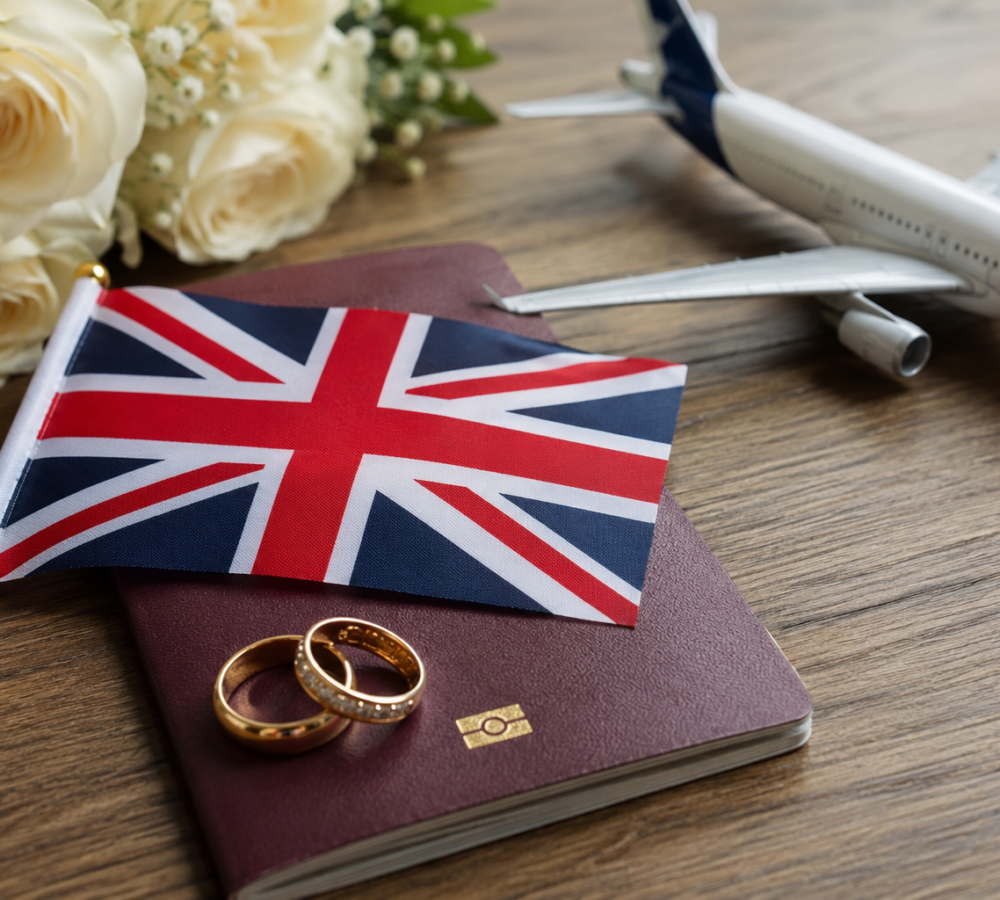
If you’re planning a wedding in the UK but don’t intend to live there permanently right away, the marriage visitor visa is likely the route you need. This visa is designed specifically for individuals who want to enter the UK to get married or form a civil partnership and then leave after the ceremony.
Understanding the rules around this visa is crucial. Many applicants mistakenly assume they can stay in the UK after marriage or switch to another visa, but that’s not how it works. The process is straightforward when done correctly, but even small mistakes can lead to refusals or delays.
This guide walks you through everything you need to know from eligibility and documents to common pitfalls — so you can plan your UK wedding with confidence.
Quick Summary
The marriage visitor visa allows non-UK residents to come to the UK to get married or form a civil partnership within 6 months. You must prove your relationship is genuine, show sufficient funds, and confirm you will leave the UK after the ceremony. This visa does not allow you to stay, work, or switch to a spouse visa from within the UK.
What Is a Marriage Visitor Visa and Who Needs One?
The marriage visitor visa is a short-term UK visa that allows non-UK residents to:
- Get married in the UK
- Form a civil partnership
- Give notice of marriage
However, this visa is strictly temporary. You must leave the UK after your ceremony and cannot use this route to settle or remain long-term.
When This Visa Is the Right Choice
This visa is suitable if:
- You plan to marry in the UK
- You intend to stay for less than 6 months
- You do not plan to live in the UK immediately after marriage
When This Visa Is NOT Suitable
If your goal is to live in the UK with your partner after marriage, this is not the right option. In that case, you should consider applying for a spouse or partner visa instead.
Marriage Visitor Visa Requirements: Are You Eligible?
Meeting the marriage visitor visa requirements is essential for approval. The Home Office assesses each application carefully to ensure the visa is used correctly.
Core Eligibility Criteria
To qualify, you must:
- Be at least 18 years old
- Be in a genuine relationship
- Intend to marry or form a civil partnership within 6 months of arrival
- Prove that you will leave the UK after your visit
These are non-negotiable requirements. Failure to meet even one can result in refusal.
Financial & Practical Requirements
You must also show that you can support yourself during your stay. This includes:
- Covering accommodation costs
- Paying for your travel
- Managing personal expenses without public funds
Unlike long-term visas, there is no fixed income threshold. However, your financial evidence must be clear, consistent, and credible.
Proving You Are a Genuine Visitor
One of the most important aspects of your application is demonstrating that you will leave the UK after your marriage.
You can do this by showing:
- Employment in your home country
- Property ownership or rental agreements
- Family ties
- Return travel plans
This is where many applications fail, not because the relationship isn’t genuine, but because the Home Office is not convinced the applicant will leave.
Marriage Visitor Visa Requirements for Relationship & Intent
Another key part of the marriage visitor visa requirements is proving that your relationship is genuine and that your wedding plans are legitimate.
Essential Supporting Documents
To strengthen your application, you should provide:
- Confirmation of your wedding venue booking
- Correspondence with the registry office
- Details of your ceremony
These documents show that your plans are real and organised, not just speculative.
Additional Relationship Evidence
Beyond wedding arrangements, you should also include:
- Photos together over time
- Travel history showing visits
- Communication records (messages, emails, calls)
This helps demonstrate that your relationship is genuine and ongoing.
What If Your Situation Is More Complex?
Not all couples have straightforward circumstances. You might be in a long-distance relationship or face logistical challenges.
In such cases, strong documentation becomes even more important. You need to clearly explain your situation and provide evidence that supports your story.
For more in-depth guidance on preparing strong applications, visit: Immigration rules
What You Can and Cannot Do on a Marriage Visitor Visa
Understanding visa conditions is just as important as meeting eligibility requirements.
What You CAN Do
With a marriage visitor visa, you can:
- Get married or form a civil partnership in the UK
- Give notice of marriage
- Visit friends and family
This makes it a practical option for couples who want a UK wedding experience.
What You CANNOT Do
There are strict limitations:
- You cannot stay in the UK after your visa expires
- You cannot switch to another visa from within the UK
- You cannot work or access public funds
Your stay is limited to a maximum of 6 months, and you must leave once your visa expires.
Marriage Visitor Visa vs Spouse Visa: Key Differences You Must Know
One of the most common areas of confusion is the difference between a marriage visitor visa and a spouse visa.
Marriage Visitor Visa
- Short-term stay (up to 6 months)
- Must leave the UK after marriage
- No route to settlement
Spouse Visa
- Long-term visa for living in the UK
- Leads to settlement after 5 years
- Allows work and residence
If your goal is to build a life in the UK with your partner after marriage, the spouse visa is the correct and most appropriate route. Unlike the marriage visitor visa, it allows you to live, work, and eventually settle in the UK on a long-term basis. This route is specifically designed for couples who intend to make the UK their permanent home together.
Over time, this pathway can lead to more secure immigration status. After completing the required residence period, you may become eligible to apply for Indefinite Leave to Remain (ILR), which gives you the right to stay in the UK without time restrictions.
Following ILR, many applicants choose to take the final step and apply for British citizenship, allowing full rights and permanent status in the UK. To understand this process in detail, visit:
Planning your visa journey with the long term in mind ensures a smoother transition from getting married in the UK to building a stable and secure future together.
Transition: Choosing the Right Path Matters
At this stage, you should have a clear understanding of whether the marriage visitor visa fits your plans. Choosing the right visa from the start saves time, money, and stress.
In the next section, we’ll walk through the step-by-step application process, including documents, timelines, and how to avoid common mistakes.
How to Apply for a Marriage Visitor Visa (Step-by-Step Guide)
Applying for a marriage visitor visa is relatively straightforward, but accuracy and preparation are key. A well-prepared application not only speeds up processing but also significantly reduces the risk of refusal.
Step 1: Prepare Your Documents Carefully
Before starting your application, gather all required documents. Missing or inconsistent paperwork is one of the most common reasons for delays.
You will typically need:
- A valid passport
- Evidence of your relationship
- Wedding or civil partnership details
- Financial proof (bank statements, payslips if applicable)
- Proof of intent to leave the UK
Ensure all documents are clear, translated (if required), and consistent with your application form.
Step 2: Submit Your Application Online
You must apply online from outside the UK. During this stage:
- Fill in all details accurately
- Double-check names, dates, and travel history
- Clearly explain your purpose of visit
Even small inconsistencies can raise concerns, so take your time here.
Step 3: Attend a Biometrics Appointment
After submitting your application, you’ll need to attend a visa application centre to provide:
- Fingerprints
- Photograph
This step is mandatory and confirms your identity.
Step 4: Wait for a Decision
Most applications are processed within 3 weeks, although this may vary depending on your location.
If you want to avoid unnecessary delays or errors, you can book expert guidance here.
Marriage Visitor Visa Fees, Processing Time & Validity
Understanding the costs and timelines helps you plan your wedding without stress.
Visa Fee
- Application fee: £135
This is a standard fee and must be paid at the time of application.
Processing Time
- Standard processing: around 3 weeks
- Priority services may be available in some countries
Visa Validity
- Maximum stay: 6 months
- You must marry within this period
- You must leave the UK before your visa expires
This reinforces the temporary nature of the visa, it is not designed for a long-term stay.
Common Reasons for Marriage Visitor Visa Refusals (And How to Avoid Them)
Even genuine applicants can face refusal if their application is not properly prepared. Understanding common mistakes can help you avoid them.
1. Insufficient Proof of Relationship
If you fail to demonstrate that your relationship is genuine, the Home Office may doubt your intentions.
How to avoid it:
- Provide consistent evidence (photos, travel records, communication history)
- Include wedding arrangements
2. Weak Financial Evidence
If your financial documents are unclear or incomplete, your application may be refused.
How to avoid it:
- Submit recent bank statements
- Ensure funds are clearly accessible
- Avoid unexplained large deposits
3. Doubts About Leaving the UK
One of the biggest concerns for the Home Office is whether you intend to return home.
How to avoid it:
- Show employment or studies
- Provide proof of ties to your home country
- Include return travel plans
4. Inconsistent Information
Conflicting details between your documents and application form can raise red flags.
How to avoid it:
- Double-check all entries
- Ensure all documents align
Why Professional Support Matters
While it’s possible to apply independently, expert guidance can help identify weaknesses in your application before submission, especially in complex cases.
What Happens After You Get Married in the UK?
This is where many applicants misunderstand the process.
After your marriage:
- You must leave the UK
- You cannot switch to a spouse visa from within the UK
Your Next Step: Applying for a Long-Term Visa
If you plan to live with your partner in the UK, your next step is to apply for a spouse visa from outside the UK.
Planning for the Future
Once you move to the UK on a spouse visa, you can eventually apply for:
- Indefinite Leave to Remain (ILR)
- British citizenship
When Should You Seek Professional Help?
Not every application is straightforward. In some cases, professional support can make a significant difference.
You should consider expert help if:
- Your relationship history is complex
- You have been refused a visa before
- Your financial situation is not simple
- You are unsure which visa route is correct
Getting free immigration consultation early can save you from costly mistakes and delays.
Key Takeaways
- The marriage visitor visa is a short-term visa valid for up to 6 months
- You must intend to leave the UK after your wedding
- You cannot switch to a spouse visa from within the UK
- Strong evidence of a genuine relationship and wedding plans is essential
- There is no fixed income threshold, but financial proof is required
- The application fee is £135, with processing typically around 3 weeks
- Choosing the wrong visa route is a common mistake for couples planning to stay
- If you plan to live in the UK after marriage, you should apply for a spouse visa instead
Final Thoughts: Make Your UK Wedding Plans Stress-Free
The marriage visitor visa is a practical and effective option for couples who want to get married in the UK without settling immediately. However, success depends on understanding the rules and carefully preparing your application.
To summarise:
- This visa allows you to marry in the UK but not stay long-term
- You must prove your relationship, finances, and intention to leave
- Proper documentation is the key to approval
- Choosing the right visa route from the beginning is essential
With the right preparation and guidance, you can avoid common pitfalls and focus on what truly matters — your special day.
If you’re unsure about any part of the process, seeking expert advice can provide clarity and confidence, ensuring your journey to getting married in the UK is as smooth as possible.
Frequently Asked Questions (FAQs)
1. Can I stay in the UK after getting married on a marriage visitor visa?
No, you must leave the UK after your ceremony. The marriage visitor visa does not allow you to stay, extend, or switch to a spouse visa from within the UK. If you plan to live in the UK, you must apply for a spouse visa from outside the country.
2. How long can I stay in the UK on a marriage visitor visa?
You can stay for a maximum of 6 months. Your marriage or civil partnership must take place within this period, and you must leave before your visa expires.
3. What documents are required for a marriage visitor visa?
You will need:
- A valid passport
- Proof of your relationship (photos, messages, travel history)
- Evidence of wedding plans (venue booking, registry confirmation)
- Financial documents (bank statements)
- Proof you will leave the UK after your visit
4. Can I work in the UK on a marriage visitor visa?
No, you are not allowed to work, run a business, or access public funds while on this visa. It is strictly for visiting and getting married.
5. What is the difference between a marriage visitor visa and a spouse visa?
A marriage visitor visa is for short-term visits (up to 6 months) to marry and then leave. A spouse visa is for those who want to live in the UK with their partner long-term and can lead to settlement and citizenship.