


A single sponsorship decision can cost a UK employer thousands of pounds before a worker even starts their role.
Many businesses budget for a sponsor licence and visa-related expenses but overlook the Immigration Skills Charge. Under current Home Office rules, employers may need to pay the charge when sponsoring workers under the Skilled Worker route, with the total amount depending on the size of the organisation and the length of sponsorship. This can significantly increase the overall UK sponsor cost and affect recruitment budgets. Therefore, it's vital to understand what an Immigration Skills Charge calculator is and why employers use it. So, on that note, continue reading this guide. Here, we will walk you through everything about it.
An Immigration Skills Charge (ISC) calculator is a digital tool used by UK employers to determine the exact upfront fee they must pay when sponsoring overseas workers under the Skilled Worker or Global Business Mobility (Senior or Specialist Worker) visa routes.
Why Do Employers Use It?
The ISC is a mandatory levy calculated by combining the size of the business (small/charitable vs. medium/large) and the duration of the visa (charged in blocks). Employers use calculators to avoid unexpected financial overheads, as the fee must be paid in full upfront when assigning a Certificate of Sponsorship (CoS).
Because the ISC is strictly an employer cost and cannot be passed onto the sponsored worker, accurate calculation is vital to avoid breaching Home Office sponsorship rules.
It helps businesses assess the financial viability of international recruitment versus hiring and training domestic workers.
An Immigration Skills Charge calculator estimates the Immigration Skills Charge that a sponsor must pay when assigning a Certificate of Sponsorship to a skilled worker. The amount depends on the sponsor's size and the length of sponsorship.
However, employers rarely assess the charge in isolation. To understand the full UK sponsor cost, businesses typically consider:
The Immigration Skills Charge is often one of the largest sponsorship expenses. For this reason, many employers use an Immigration Skills Charge calculator alongside a wider sponsor licence fees breakdown to estimate the likely ISC UK employer cost before starting recruitment.
Also read: https://gmsimmigration.co.uk/blog/skilled-worker-visa-explained
The ISC UK employer cost depends on the size of the sponsoring organisation and the length of sponsorship. The Immigration Skills Charge is paid by the employer when assigning a Certificate of Sponsorship and is separate from the sponsor licence and CoS fees. Rates depend on company size: medium/large sponsors pay £1,320 per year plus £660 per additional 6 months, while small/charitable sponsors pay £480 per year plus £240 per additional 6 months.
A sponsor license fees breakdown includes the upfront licence application fee, optional premium upgrades, and per-worker costs like the Certificate of Sponsorship (CoS) fee and the mandatory Immigration Skills Charge (ISC).
Sponsor licence fees breakdown includes:
1. Sponsor Licence Application Fee (Upfront)
2. Optional Priority Services
3. Certificate of Sponsorship (CoS) Fee
4. Immigration Skills Charge (ISC)
5. Ongoing Compliance & Administrative Costs
Employers can reduce the risk of unexpected costs by:
A proactive approach helps employers understand the total UK sponsor cost, make informed hiring decisions, and avoid budget shortfalls later in the sponsorship process.
Hiring overseas workers involves more than obtaining a sponsor licence. Employers must account for the Immigration Skills Charge, Certificate of Sponsorship fees, and other sponsorship-related costs before recruitment begins.
Using an Immigration Skills Charge calculator can help businesses estimate the likely ISC UK employer cost, understand the full UK sponsor cost, and build a realistic recruitment budget. It is important for organisations planning long-term sponsorship under the Skilled Worker route, where costs can increase significantly over time.

UK visa administrative review can correct Home Office errors, but it is not right for every refusal. Learn when to seek a review or appeal.
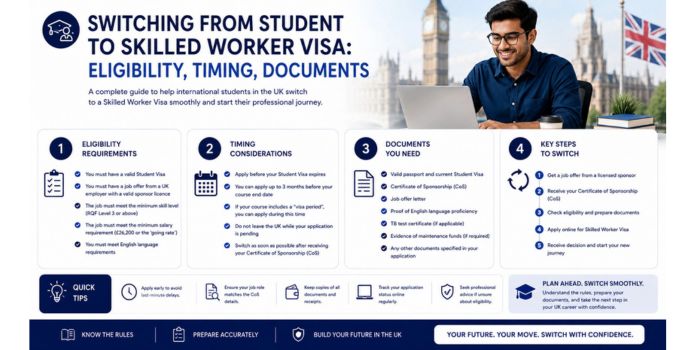
Learn how to switch student to skilled worker UK, including eligibility, timing rules, required documents, and key application steps.
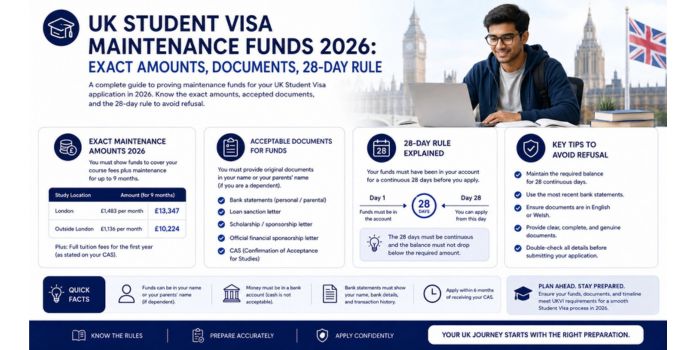
Learn the UK student visa maintenance funds requirements for 2026, including exact amounts, documents, and the 28-day rule. Explore key guidance.
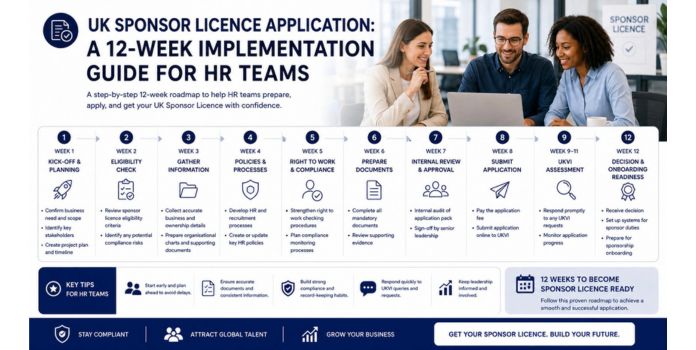
Follow this UK sponsor licence application guide to plan, prepare and submit with confidence. Explore a practical 12-week roadmap for HR teams.
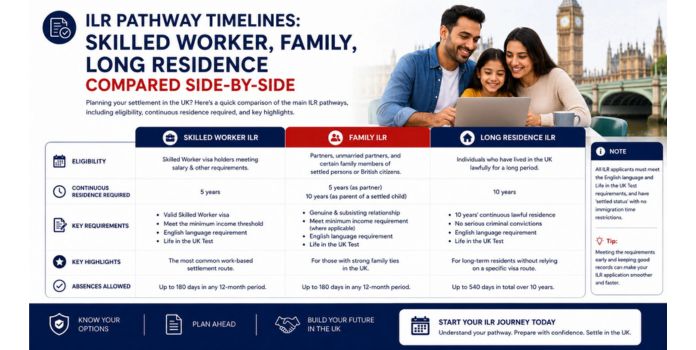
Explore ILR pathway timelines UK employers and migrants should understand across Skilled Worker, Family, and Long Residence routes. Learn more.

Learn which UK spouse visa £29000 MIR documents you need to prove income through employment, self-employment or savings. Explore key evidence requirements.

Discover how the Shortage Occupation List 2026 impacts reduced salary routes, sponsorship eligibility, and hiring plans for UK employers.

Confused about refugee family reunion UK and Appendix FM? Learn the key differences, eligibility rules, and the right route for your family. Explore now.

The UK High Potential Individual (HPI) visa lets graduates of the world’s top-ranked universities work, look for work, or run a business in the United Kingdom for two years (three years for PhD holders) without needing a job offer or a sponsor.

A UK Dependent Visa allows the spouse, civil partner, unmarried partner, or child under 18 of a main visa holder to live in the United Kingdom for as long as the main visa is valid.
The Immigration Skills Charge (ISC) is a fee that most UK employers must pay when sponsoring a worker under the Skilled Worker route. It is paid when a Certificate of Sponsorship is assigned and is separate from the sponsor licence and CoS fees.
The sponsoring employer is responsible for paying the Immigration Skills Charge. Home Office guidance states that sponsors must pay the charge themselves and should not ask sponsored workers to cover the fee
In certain circumstances, sponsors may receive a full or partial refund. This can happen if a visa application is refused, withdrawn, or if the sponsored worker leaves employment earlier than expected.
No. The Home Office provides several exemptions. For example, exemptions may apply in certain student-to-skilled-worker transitions and for specific occupations or visa categories. Employers should review the latest guidance before assuming the charge is payable.
The Certificate of Sponsorship fee is paid each time a sponsor assigns a CoS to a worker. The Immigration Skills Charge is a separate employer charge that may also be payable depending on the visa route and sponsorship circumstances. Employers often need to budget for both costs.

GMS Immigration is a trusted UK-based visa consultancy offering expert guidance for visitor, work, family, and settlement visas.With over 10 years of experience and a high success rate, they provide personalised, transparent support to help clients achieve their UK immigration goals.