

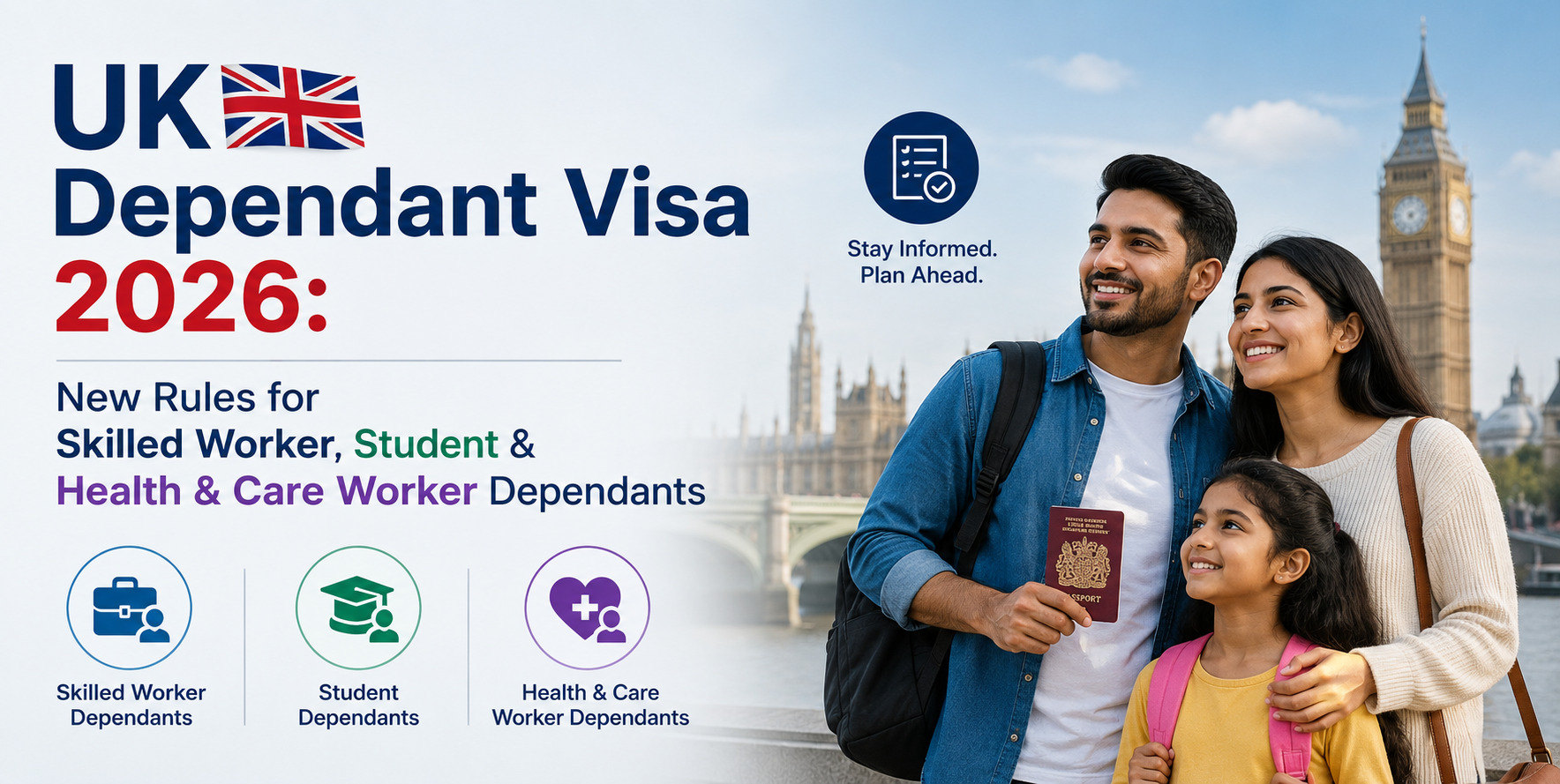
A UK Dependent Visa allows the spouse, civil partner, unmarried partner, or child under 18 of a main visa holder to live in the United Kingdom for as long as the main visa is valid. Since January 2024, the routes that can sponsor dependents have been significantly restricted — most taught master’s students and overseas care workers can no longer bring family members.
If you are planning to move to the UK as a Skilled Worker, Health and Care Worker, Student, Graduate, or Global Talent visa holder, the dependent rules in 2026 are very different from what they were in 2022. This guide explains exactly who can bring dependants, the new salary and course requirements, current fees, the application process, and how to handle dependents who arrived under the old rules.
| Date | Change | Routes affected |
| Jan 2024 | Most taught master’s students can no longer bring dependents. Only research postgraduates (e.g. PhD) and government-sponsored students retain the right. | Student visa |
| Mar 2024 | Overseas care workers and senior care workers can no longer bring dependents on new applications. | Health and Care Worker visa |
| Apr 2024 | Skilled Worker minimum salary threshold raised to £38,700 (with transitional rules). Higher salary thresholds extend to dependent routes indirectly. | Skilled Worker visa |
| Apr 2024 | Family visa minimum income threshold raised from £18,600 to £29,000 (with further rises planned to £38,700). | Spouse / Partner visa |
| Ongoing 2024–26 | Digital eVisa rollout replaces BRP cards for dependants too. | All dependant routes |
| Important — transitional rules apply. If you applied before the cut-off date listed above, you can usually continue to bring dependants under the old rules. Always check the date of your original Certificate of Sponsorship or CAS letter before assuming you are blocked. |
| Main visa route | Can bring dependants? | Conditions |
| Skilled Worker | Yes | Sponsor and salary must meet current thresholds; financial maintenance evidence required (or 12 months of sponsor employment). |
| Health and Care Worker (overseas applicants from Mar 2024) | No (for new applications) | Applies to overseas care workers and senior care workers. UK-based applicants from before March 2024 retain rights. |
| Student (taught master’s, undergrad, foundation) | No | Single biggest restriction of 2024. Most international students cannot bring family. |
| Student (research postgraduate — PhD, DPhil) | Yes | Research route remains exempt. |
| Student (government-sponsored, e.g. Chevening) | Yes | Government-sponsored exception. |
| Graduate Route (post-study work) | Yes (if dependant was already in UK as your dependant) | You cannot bring new dependants once on the Graduate visa — only continue existing ones. |
| Global Talent | Yes | Full dependant rights. |
| Innovator Founder | Yes | Full dependant rights. |
| High Potential Individual (HPI) | Yes | Full dependant rights. |
| Scale-up | Yes | Full dependant rights. |
Dependant visa fees mirror the main applicant’s route. You pay one fee per dependant per application — there is no family discount.
| Visa route (dependant) | Application fee (per dependant) | IHS (per year) |
| Skilled Worker dependant — 3 years or less | £827 (out of UK) / £1,000 (in UK) | £1,035 |
| Skilled Worker dependant — more than 3 years | £1,500 (out of UK) / £1,955 (in UK) | £1,035 |
| Student dependant | £524 (out of UK) / £704 (in UK) | £776 |
| Graduate Route dependant (continuation only) | £822 | £1,035 |
| Global Talent dependant | £760 | £1,035 |
| HPI dependant | £822 | £1,035 |
Add £500 for priority service or £1,000 for super-priority. A family of four on Skilled Worker dependant visas for a five-year period typically pays £12,000 to £15,000 in visa fees and IHS combined.
All applicants
Relationship evidence (spouse / partner)
Relationship evidence (child)
Main applicant evidence
Extending or switching a UK Dependant Visa
Dependant visas tie directly to the main applicant’s permission. When the main applicant extends, dependants must extend at the same time — they cannot extend independently.
Switching is permitted in some cases:
| Common mistake — dependants who arrive after the main applicant must apply separately. Their qualifying time for ILR starts from the date their dependant visa is granted, not from the main applicant’s arrival date. Plan accordingly. |
Frequently asked questions about UK Dependant Visas
Explore the key benefits of British citizenship, from the British passport and voting rights to citizenship by descent and dual citizenship UK rules
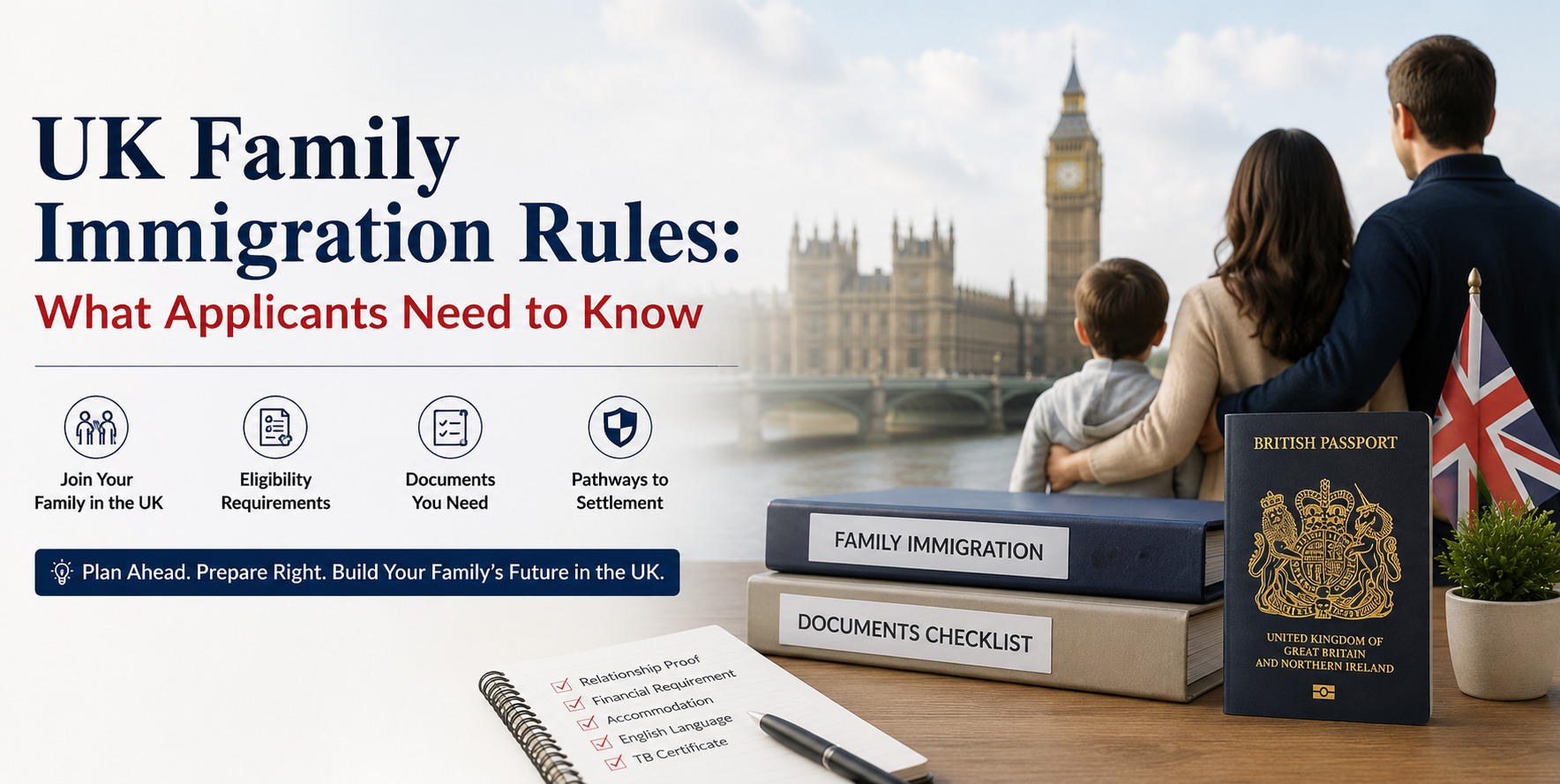
Up-to-date guide to the UK family immigration rules, covering Appendix FM, evidence requirements and recent suitability changes for family visa applicants.

Learn how to prove a genuine relationship for a UK Spouse Visa with the right evidence, common mistakes to avoid, and practical guidance. Explore more.

A practical guide to choosing the right university to study in UK, covering courses, cost, admission and how it affects your student visa journey.
A calm, practical guide to the Life in the UK Test and the wider citizenship requirements for visa holders preparing to apply for naturalisation.
Dual Citizenship UK explained, fees, processing times, Naturalisation UK requirements, Citizenship by Descent, and the Life in the UK Test.
Struggling with your UK Visitor Visa application? Discover practical, adviser-led tips on documents, finances, home ties, and cover letters to boost approval.

Skilled Worker Visa UK eligibility depends on your occupation and role. Discover which jobs qualify and what employers need to check.
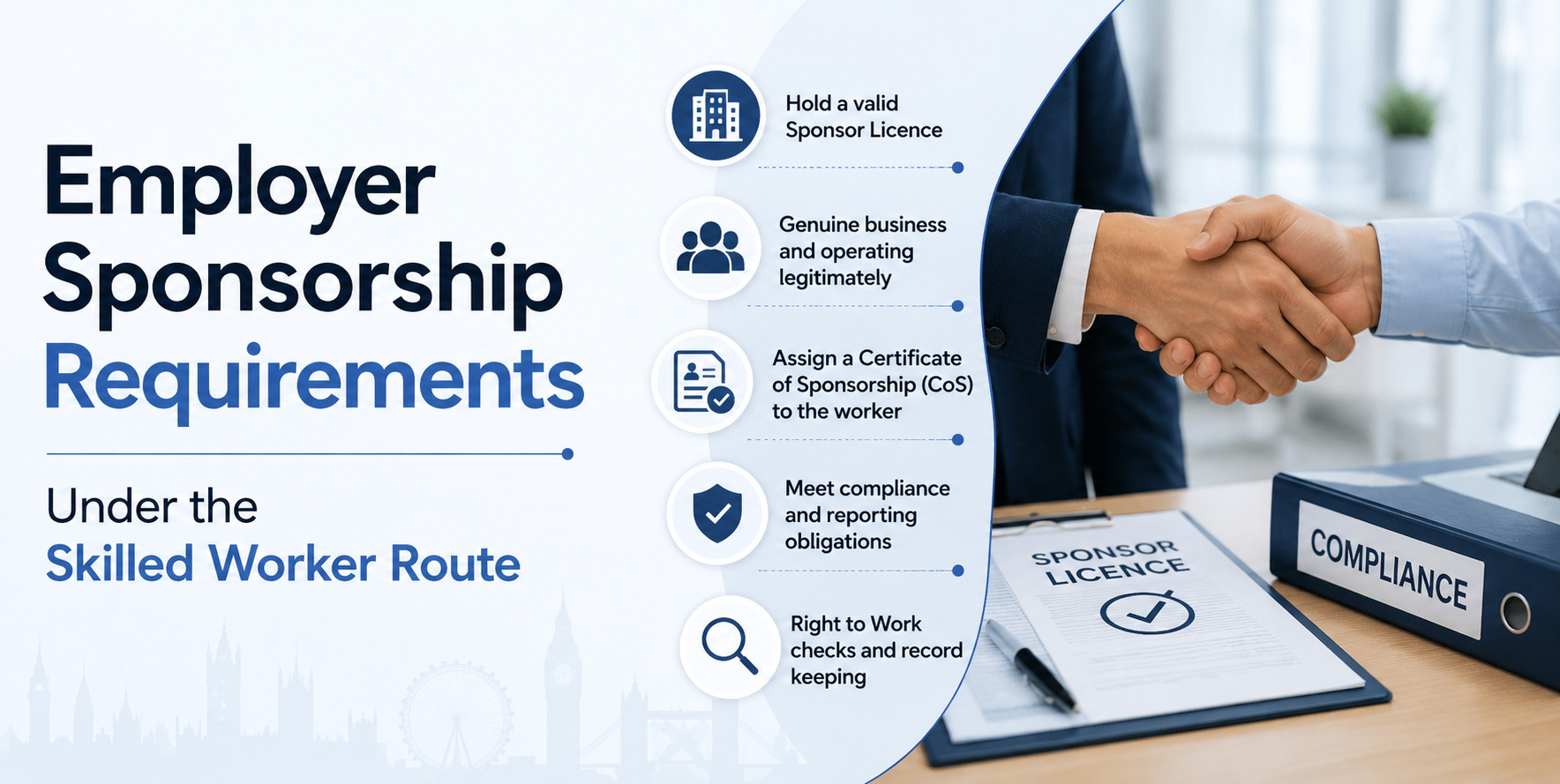
Learn the employer requirements for a Skilled Worker Visa UK, including sponsor licences, compliance duties, and hiring eligibility criteria. Explore more.
Applying for British Citizenship by naturalisation? Learn the eligibility rules, required documents, costs, and application steps. Explore more.
Dependant visa rules changed three times in 2024 alone. We at GMS Immigration track every Statement of Changes so that you do not have to. Our team has helped hundreds of families move to the UK together — including complex cases involving unmarried partners, children with one non-migrating parent, and transitional applications under the old rules. Book your free initial consultation today.
Only if you are on a research postgraduate course (PhD, DPhil, master’s by research) or a government-sponsored programme of 6+ months. Taught master’s students, undergraduates, foundation students, and language students cannot bring dependants.
Yes. Dependants on Skilled Worker, Global Talent, HPI, Innovator Founder, and Student dependant visas have unrestricted right to work in any job, full-time or part-time, except as a professional sportsperson. They do not need their own sponsor.
Exactly as long as the main applicant’s visa. If the main visa is granted for three years, the dependant visa is also granted for three years. Renewal is in lockstep with the main applicant.
Generally no — UK immigration rules do not recognise parents as dependants under work or study routes. There is a separate Adult Dependent Relative visa for elderly parents who need long-term care, but the eligibility bar is very high and approval rates are below 10%.
If your dependant has been on the dependant visa for the full qualifying period (usually five years), they apply for ILR at the same time as you. If they joined late, they must wait until they have completed their own five years before becoming eligible for ILR — even if you have already received it.
Yes, as an unmarried partner. You must prove a relationship akin to marriage that has lasted at least two years, with documented cohabitation. Joint tenancy agreements, joint utility bills, joint bank statements, and travel records are the strongest forms of evidence.
Dependant visa rules changed three times in 2024 alone. We at GMS Immigration track every Statement of Changes so that you do not have to. Our team has helped hundreds of families move to the UK together — including complex cases involving unmarried partners, children with one non-migrating parent, and transitional applications under the old rules. Book your free initial consultation today.

GMS Immigration is a trusted UK-based visa consultancy offering expert guidance for visitor, work, family, and settlement visas.With over 10 years of experience and a high success rate, they provide personalised, transparent support to help clients achieve their UK immigration goals.