

The UK has changed how visas work. And in 2026, this is no longer a background update; it directly affects how you travel, apply, and prove your immigration status.
Physical visa documents are being phased out. In their place, the UK is rolling out a fully digital system built around the UK Electronic Visa (eVisa) and expanding ETA requirements for travellers.
If you are planning to visit, work, or move to the UK, understanding how these two systems work together is no longer optional. Regardless of whether you are applying for a visitor visa for UK, pursuing a skilled worker visa UK, or exploring study options, missing a step can mean delays or, in some cases, being denied boarding altogether.
The UK eVisa is a digital record of a person’s immigration status and conditions of stay in the UK. It replaces physical documents like Biometric Residence Permits (BRPs). It is directly linked to the holder’s passport and enables secure, instant border verification for employment or renting via a UKVI account.
The UK ETA is a pre-travel screening requirement introduced for visitors from visa-exempt countries. It is often required for travel, tourism, or business by those who don’t need a visa, except for British/Irish citizens. However, ETA only allows short visits and does not replace a work visa or a long-term visa.
Citizens from countries that do not currently need a visa to enter the UK, like US, Canadian, and European citizens.
People coming for tourism, business, family, or transit for less than 6 months.
Everyone, including infants, must have their own ETA.
If you are planning long-term routes or planning to study through a Student visa agent, you will still require a full visa and an Electronic visa after approval.
The shift to digital immigration is intentional. Physical documents can be lost, forged, or delayed. Digital records reduce these risks and allow real-time verification.
For the UK government, this means stronger border control and compliance. For applicants, it means fewer physical documents to manage but more responsibility to ensure your online record is correct.
And that is where many people underestimate the change.
eVisa and ETA are often confused, but they serve different purposes. ETA applies before you travel and determines whether you can enter the UK. The UK Electronic Visa (eVisa) applies after your visa is granted and defines what you are allowed to do while you are in the UK. One controls entry, while the other controls your legal stay, and both now work together in the same system.
| Basis | UK eVisa | UK ETA |
| Purpose | Confirms your immigration status in the UK | Grants permission to travel to the UK |
| When It Applies | After visa approval, or for existing visa holders | Before travelling to the UK |
| Who Needs It | Anyone with a UK visa (work, study, family, ILR) | Visa-exempt travellers visiting the UK |
| Type of Stay | Long-term or permitted stay based on visa type | Short visits only (tourism, business, transit) |
| Work Rights | Depends on your visa (may allow work) | Does not allow work |
| Format | Fully digital status stored in the UKVI account | Digital travel authorisation linked to a passport |
| Verification | Checked by employers, landlords, and authorities | Checked by airlines before boarding |
Here are the basic steps:
Before anything else, you must identify the right visa category based on your purpose of travel, duration, and eligibility. The UK Home Office assesses applications strictly against visa-specific criteria, so selecting the wrong route can lead to refusal or delays.
All UK visa applications are submitted online through the official system. You will need to fill in detailed personal, travel, and background information, and upload supporting documents such as financial proof, accommodation, and the purpose of travel. Accuracy is critical, as inconsistencies can trigger additional checks during a UK eVisa application, especially for routes like the skilled worker visa UK.
Once the form is completed, you must pay the visa application fee online. The fee varies depending on the visa type and duration, and the application is only processed after payment is confirmed. This step formally submits your application for assessment.
Applicants are required to confirm their identity either through a visa application centre appointment or via the UK Immigration ID Check app. This step links your biometric data, such as fingerprints and a photo, to your application and future eVisa record.
The Home Office reviews your application based on eligibility, documents, and background checks. You must wait for a decision before travelling, as entry to the UK is only permitted after approval. Processing times can vary depending on the visa type and location of application.
Once your visa is approved, your status is issued digitally as a UK eVisa. You will be required to create or sign in to your UKVI account to access your immigration status before travelling. This replaces physical visa documents and becomes your official proof of permission.
After receiving your eVisa, you must ensure your passport and personal details are correctly linked to your UKVI account. Any mismatch or outdated information can cause issues during travel or verification checks. Your digital record must always reflect your current details.
To access your eVisa, you must have a UK Visas and Immigration (UKVI) account. In many cases, this is created during your visa application, but if not, you will need to set one up and verify your identity. Your eVisa is linked to this account, and without it, you cannot view or manage your immigration status.
Once your account is active, you may be required to confirm your identity and link your passport or travel document. This ensures your eVisa is correctly connected to your personal details and can be recognised during travel and verification checks. Any mismatch at this stage can cause access or travel issues later.
After linking your details, you can access your eVisa through the ‘view and prove’ service. This allows you to see your visa type, validity, and conditions in real time. Your digital record becomes your official proof of status, replacing any physical document you may have previously used.
To prove your status, you can generate a share code from your UKVI account. This code is used by employers, landlords, or institutions to verify your rights in the UK, such as the right to work or rent. The code provides time-limited access to your status and can be reused or regenerated when required.
Your eVisa is linked to your passport, which allows airlines and border authorities to verify your status digitally. You may still be asked for details or a share code in certain situations, especially if there are system checks or discrepancies. It is advisable to ensure your passport is correctly linked before travelling.
You must keep your passport and personal details updated in your UKVI account. This ensures your eVisa remains valid for travel and verification and allows authorities to contact you if needed. Outdated or incorrect information can lead to delays or issues when proving your status.
Before applying, it is advisable to review detailed guidance, such as the UK tourist visa requirements, especially if you are applying under a Visitor Visa for UK, to avoid early-stage mistakes that can impact your entire process.
It is advisable to take guidance from an expert student visa agent or consultant before applying.
Navigating the UK eVisa application and digital immigration system can feel straightforward at first, but small errors can quickly lead to delays or refusals. This is where structured, professional guidance makes a real difference. We support skilled worker visa UK applications, visitor visas, student routes through a student visa agent, and more.
We at GMS Immigration provide tailored advice and help you choose the correct visa route, including the skilled worker visa UK, student, or visitor visa for UK, and avoid unnecessary risks from the start.
From document preparation to submission, each stage of your application is handled with attention to detail. This reduces the chances of errors, missing documents, or inconsistencies that often lead to delays in the UK eVisa application process.
GMS Immigration helps you manage your UKVI account, verify your details, and ensure your status is ready for travel, work, and verification checks.
We can reassess your case, identify gaps, and guide you through reapplications or next steps with a stronger approach.
Take the next step with confidence. If you are planning your move or struggling with the UK eVisa process, getting the right guidance early can save time, cost, and unnecessary stress. Contact us now and get a personalised consultation.
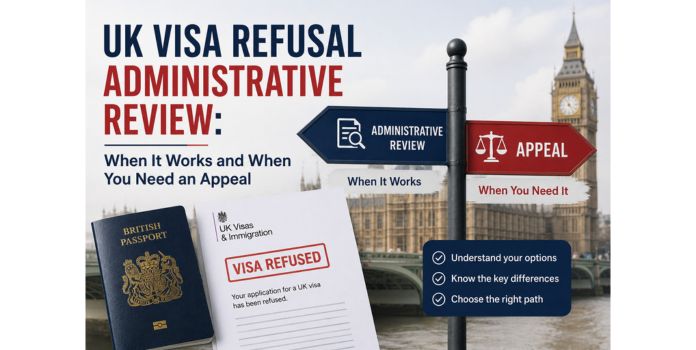
UK visa administrative review can correct Home Office errors, but it is not right for every refusal. Learn when to seek a review or appeal.
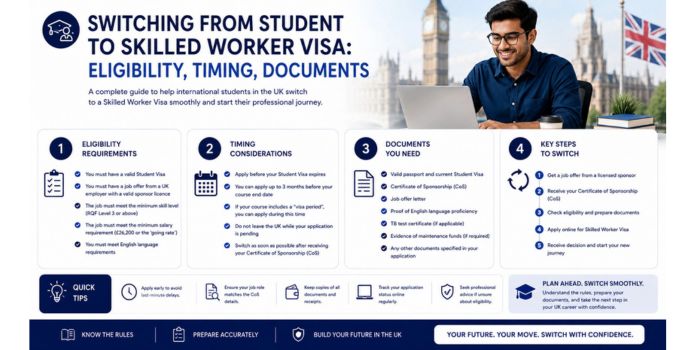
Learn how to switch student to skilled worker UK, including eligibility, timing rules, required documents, and key application steps.
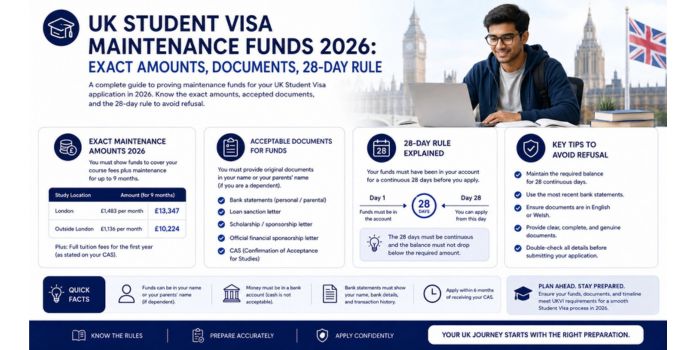
Learn the UK student visa maintenance funds requirements for 2026, including exact amounts, documents, and the 28-day rule. Explore key guidance.
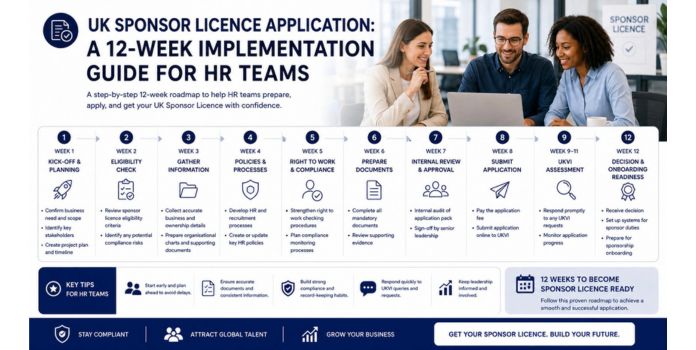
Follow this UK sponsor licence application guide to plan, prepare and submit with confidence. Explore a practical 12-week roadmap for HR teams.
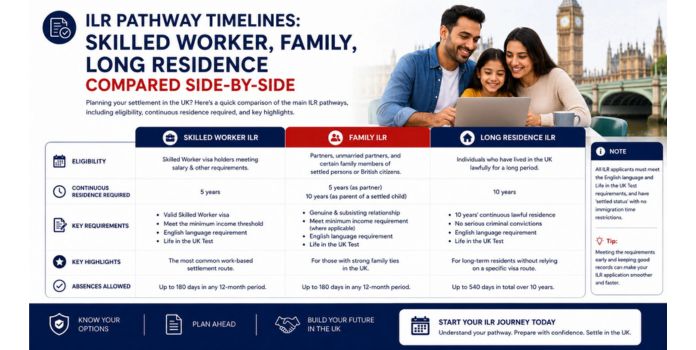
Explore ILR pathway timelines UK employers and migrants should understand across Skilled Worker, Family, and Long Residence routes. Learn more.
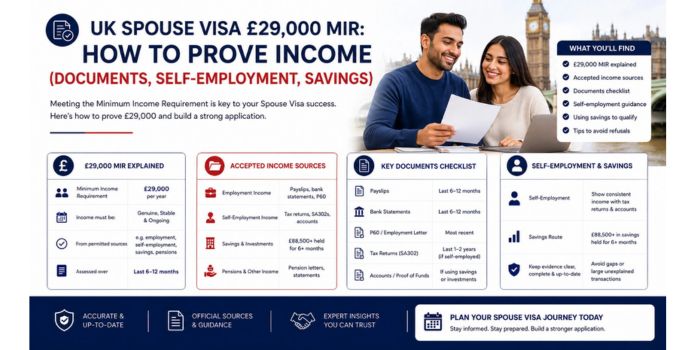
Learn which UK spouse visa £29000 MIR documents you need to prove income through employment, self-employment or savings. Explore key evidence requirements.

Discover how the Shortage Occupation List 2026 impacts reduced salary routes, sponsorship eligibility, and hiring plans for UK employers.
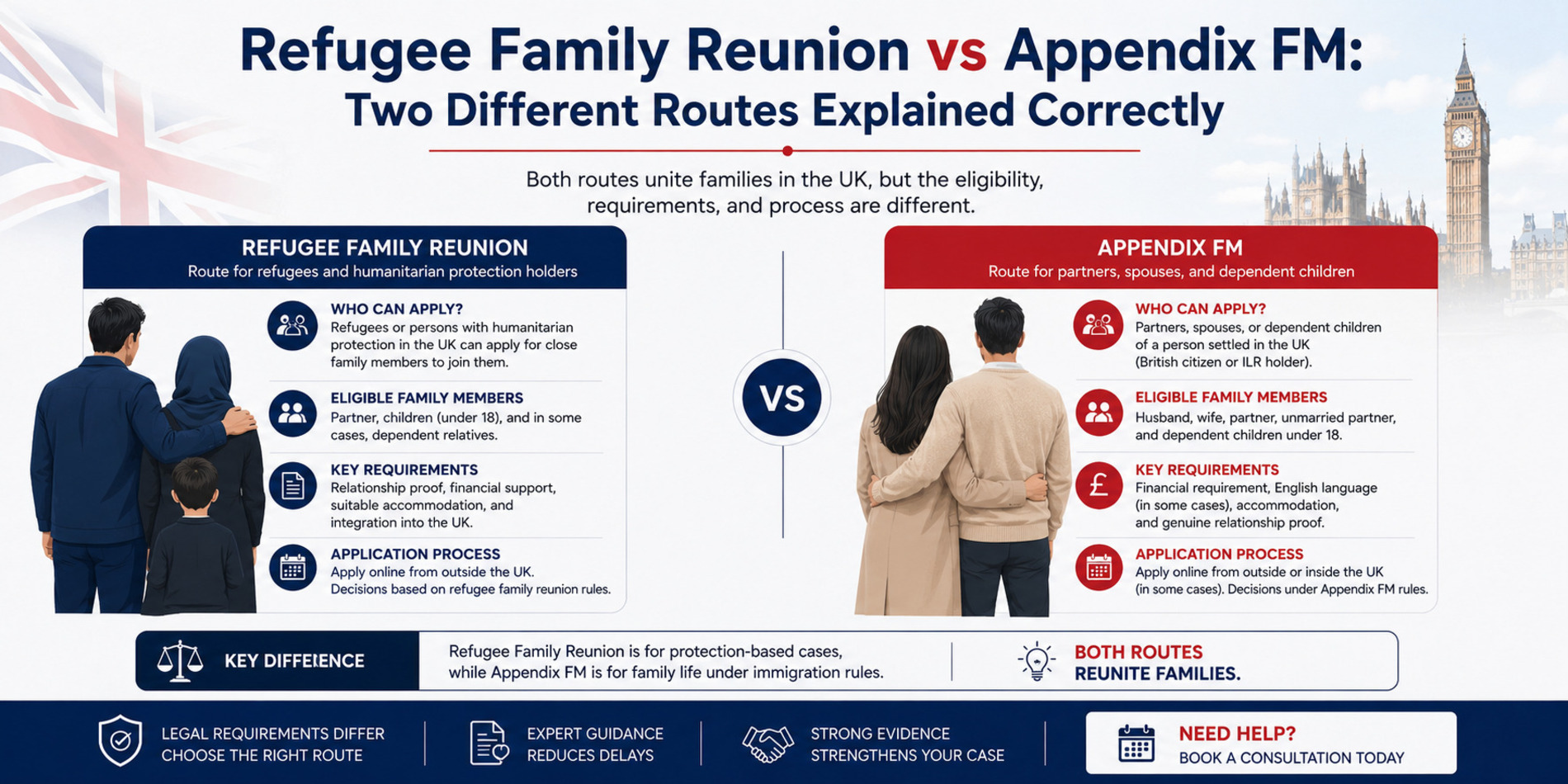
Confused about refugee family reunion UK and Appendix FM? Learn the key differences, eligibility rules, and the right route for your family. Explore now.
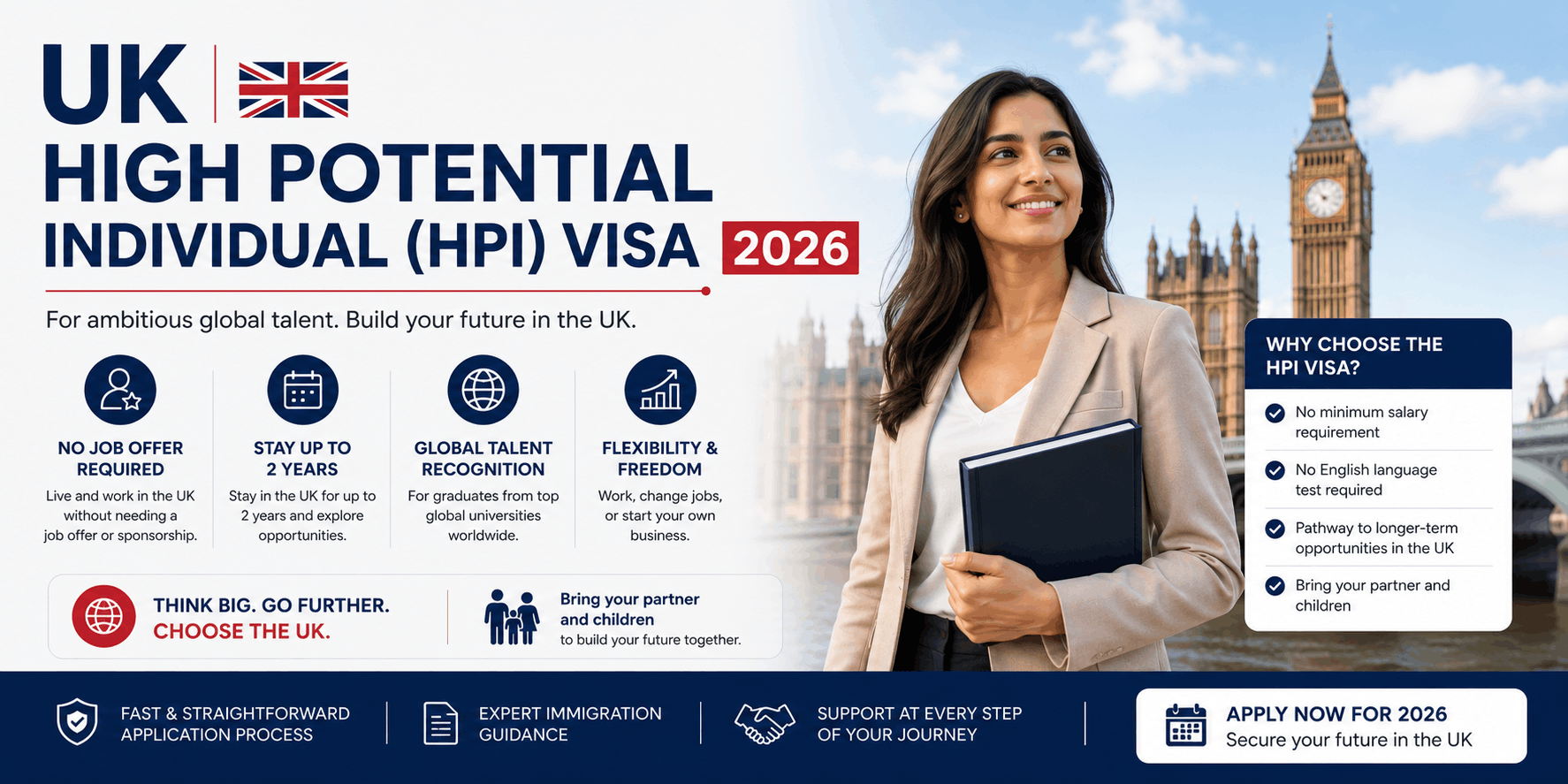
The UK High Potential Individual (HPI) visa lets graduates of the world’s top-ranked universities work, look for work, or run a business in the United Kingdom for two years (three years for PhD holders) without needing a job offer or a sponsor.
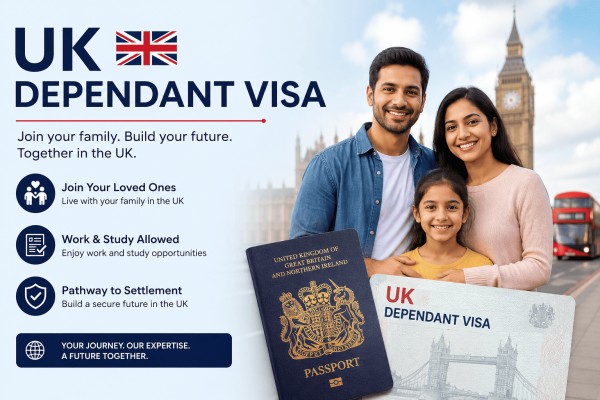
A UK Dependent Visa allows the spouse, civil partner, unmarried partner, or child under 18 of a main visa holder to live in the United Kingdom for as long as the main visa is valid.
No, from 26 February 2026, most UK visas are issued only as digital eVisas. Physical visa stickers and BRPs are being phased out, and your status is now stored online in your UKVI account.
No, if you already hold a valid UK visa or eVisa, you do not need an ETA. An ETA is only required for travellers who do not need a visa but still require permission to travel.
You will not be allowed to board your flight or transport to the UK. Airlines are now required to check for a valid ETA or visa status before departure.
A UK ETA is typically valid for multiple visits over two years or until your passport expires, allowing stays of up to six months per visit.
Yes, you must log into your UKVI account and ensure your eVisa is accessible before travelling. Your digital status is checked during boarding and at the UK border, so it must be correctly linked to your passport.
If your case involves documentation or timelines, or if you are not sure about how to apply for a UK eVisa, professional guidance can decrease errors and chances of delays.

GMS Immigration is a trusted UK-based visa consultancy offering expert guidance for visitor, work, family, and settlement visas.With over 10 years of experience and a high success rate, they provide personalised, transparent support to help clients achieve their UK immigration goals.