

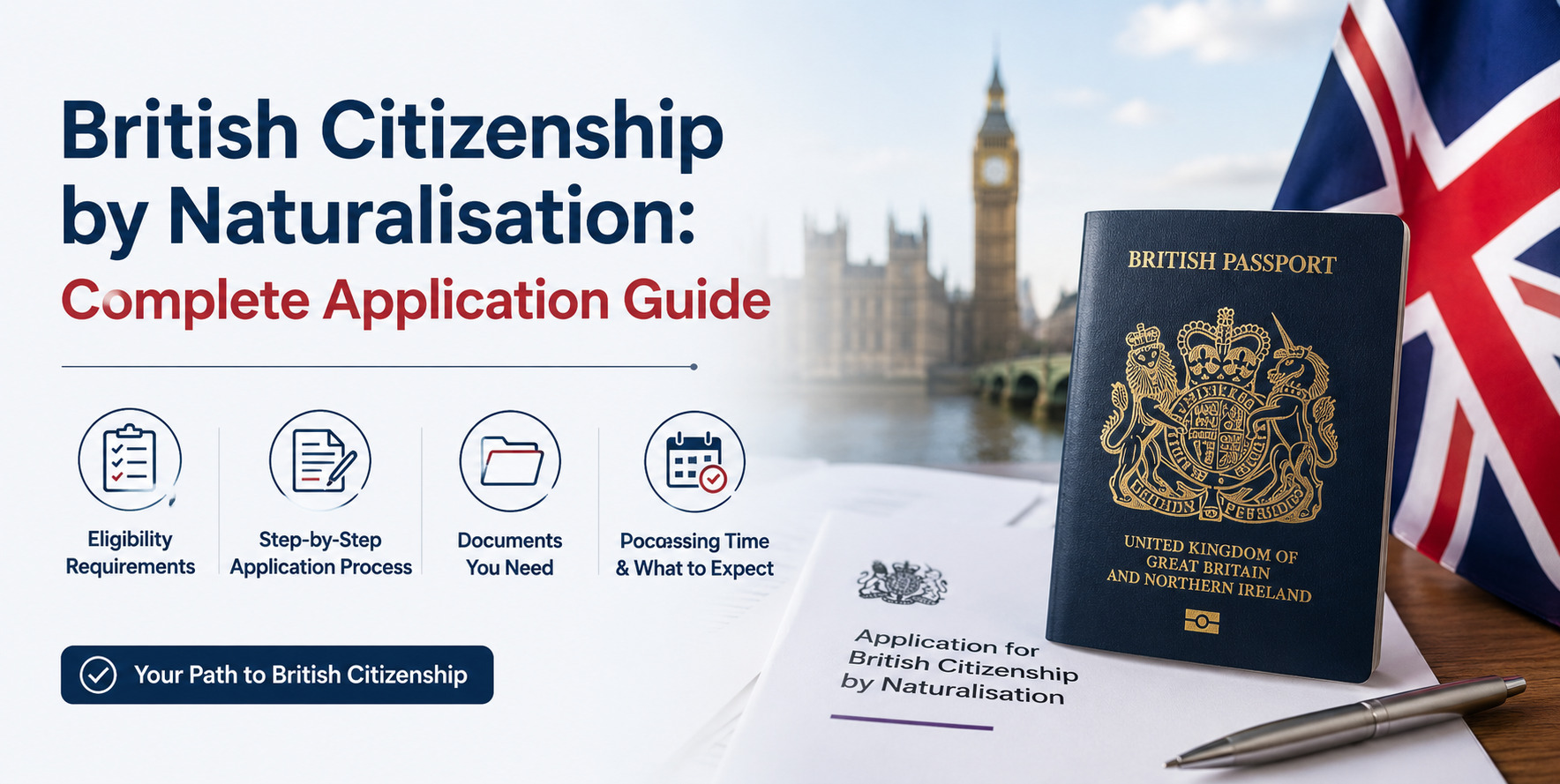
Have you ever wondered why so many people choose to apply for British Citizenship soon after securing Indefinite Leave to Remain (ILR)?
The answer goes beyond obtaining a British passport. For many migrants, citizenship represents long-term security, a stronger connection to the UK, and the reassurance that their status is no longer tied to immigration permission.
Home Office statistics show that more than 269,000 people were granted British citizenship in 2024, one of the highest figures on record, reflecting the growing number of settled migrants taking this final step in their journey.
Yet the route to citizenship is rarely as straightforward as completing an application form. Residence requirements, absence limits, the Life in the UK Test, English language rules, and the Home Office's good character assessment can all affect the outcome.
This guide explains how British Citizenship by naturalisation works, who can apply, the evidence required, and the practical steps involved in submitting a successful application.
Many people reach the settlement stage and assume their immigration journey is complete. In practice, Indefinite Leave to Remain (ILR) and British Citizenship provide different legal rights and long-term protections.
ILR allows you to live, work, and study in the UK without time restrictions. British Citizenship goes a step further by granting full nationality rights under UK law. Once naturalised, you can apply for a British passport, participate in all UK elections, and, in many cases, pass citizenship to future generations.
| Area | Indefinite Leave to Remain | British Citizenship |
| Live and work in the UK | ✓ | ✓ |
| Apply for a British Passport | ✗ | ✓ |
| Vote in all UK elections | Limited circumstances | ✓ |
| Subject to immigration control | No | No |
| Can be lost after a lengthy absence from the UK | Possible | No |
Common reasons include:
For many families, British Citizenship represents the final stage of a journey that may have started on routes such as Appendix Skilled Worker, Appendix FM, or other settlement pathways. Before applying, however, it is important to understand the eligibility requirements, residence rules, and nationality criteria that the Home Office will assess.
A successful British Citizenship application begins with eligibility. While many applicants already hold Indefinite Leave to Remain (ILR), nationality law requires several additional conditions to be met before naturalisation can be approved.
Most applicants must demonstrate that they:
Many British citizens first obtained settlement through routes such as:
| Immigration Route | Typical Progression |
| Appendix Skilled Worker | Skilled Worker → ILR → British Citizenship |
| Appendix FM | Family Visa → ILR → Naturalisation |
| Appendix Family Reunion | Settlement → Citizenship |
| EU Settlement Scheme | Settled Status → Citizenship |
If you secured settlement through a work route, our UK Skilled Worker Visa guidance can help you understand how previous immigration history may affect a nationality application.
Not always. For most applicants, ILR must normally be held for at least 12 months before applying. An exception often applies to those married to a British citizen, who may be eligible to apply sooner if all other requirements are satisfied.
The next step is understanding the residence rules, where absence calculations and travel history often become key factors in a Naturalisation UK application.
Many British Citizenship applications succeed or fail because of residence requirements. Before completing a UK Citizenship Application, it is important to review your travel history carefully. The Home Office assesses where you lived, how long you have been settled in the UK, and how much time you spent outside the country during the qualifying period.
Most applicants must have lived in the UK for at least five years before applying for British Citizenship. Those married to or in a civil partnership with a British citizen usually qualify under a three-year residence period.
In most cases, applicants must hold Indefinite Leave to Remain for at least 12 months before applying. Different rules may apply to spouses of British citizens. If you recently obtained settlement, our ILR guidance can help you understand when a citizenship application may become possible.
The Home Office expects applicants to demonstrate a genuine connection to the UK through their residence history.
| Applicant Type | Maximum Absences During Qualifying Period |
| Standard Naturalisation Route | 450 days during 5 years |
| Spouse of British Citizen | 270 days during 3 years |
Additional discretion may be available in limited circumstances, though each case is assessed individually.
Applicants should normally spend no more than 90 days outside the UK during the 12 months immediately before submitting their application. Frequent travel during the final year often requires careful review before applying.
You must have been physically present in the UK on the exact date three or five years before the Home Office receives your application, depending on your route to British Citizenship. Missing this requirement can create difficulties even when all other conditions are met.
Applicants commonly rely on:
The official Home Office nationality guidance provides further detail on residence evidence and absence calculations.
If your immigration journey included routes such as a Skilled Worker Visa or Family Visa before settlement, reviewing your residence history early can help avoid delays and unexpected issues during the naturalisation process.
Bonus read: documents needed to apply for British citizenship.
A British Citizenship application involves more than residence and immigration status. The Home Office must also be satisfied that an applicant meets the good character requirement, which applies to most people aged 10 or over seeking British nationality. The requirement is established under the British Nationality Act 1981 and assessed using Home Office nationality guidance.
There is no single legal definition of "good character". Instead, caseworkers review an applicant's conduct, immigration history and behaviour to determine whether they meet the standard expected for British Citizenship. Each case is considered on its own facts and evidence.
Previous immigration issues can influence a nationality decision. Examples may include overstaying, working without permission or breaching visa conditions.
Applicants who previously held leave under routes such as the Skilled Worker Visa or Family Visa should ensure their immigration history is accurate and fully disclosed before applying.
Not necessarily. The Home Office considers the nature of the offence, when it occurred and any pattern of behaviour. Serious offences are treated more severely, while minor matters may be assessed in the context of the applicant's overall history.
Financial conduct may also be reviewed during a Naturalisation UK application. Unpaid taxes, significant debts, bankruptcy matters or other financial concerns can form part of the assessment where relevant.
Accuracy is essential when completing a UK Citizenship Application. Omitting information, providing incorrect details, or failing to disclose previous issues can raise concerns even when the underlying matter would not have prevented approval.
Before submitting an application, it is worth carefully reviewing all supporting documents, travel history, and immigration records. Applicants with a complex history often benefit from obtaining professional guidance before proceeding. For further information, the official Home Office good character guidance provides detailed examples of the factors considered during nationality decisions.
Did you know that many British Citizenship applications cannot proceed until the applicant has passed the Life in the UK Test? For most adults applying for Naturalisation in the UK, this requirement is an important part of the nationality process and demonstrates knowledge of British history, traditions, laws, and everyday life. The test must usually be completed before submitting a UK Citizenship Application.
The Life in the UK Test is an official computer-based exam used in citizenship and settlement applications. It contains 24 questions based on the handbook Life in the United Kingdom: A Guide for New Residents.
Most applicants aged between 18 and 64 must pass the test before applying for British Citizenship. Certain exemptions may apply depending on age or specific circumstances. For full eligibility details, applicants can review the official GOV.UK guidance.
The test is booked online through the official GOV.UK website. Applicants must choose an approved test centre and provide valid identification when attending the appointment.
The questions are based on several areas, including:
A failed attempt does not affect future eligibility for British Citizenship. Applicants can book another test and retake it after further preparation.
Many candidates prepare by studying the official handbook and completing practice questions. The official Life in the UK Test website provides preparation materials, booking information, and guidance on test-day requirements.
If you are planning to apply after obtaining Indefinite Leave to Remain, completing the Life in the UK Test early can help avoid delays later in the naturalisation process.
After months of preparation and waiting, receiving approval for British Citizenship is a significant milestone. The final stages are usually straightforward, but there are still a few important steps before you can apply for a British Passport and enjoy the full rights of British nationality.
Most successful applicants aged 18 or over must attend a citizenship ceremony. During the ceremony, you make an oath or affirmation of allegiance and a pledge to respect the rights, freedoms, and laws of the UK. Attendance is a mandatory part of the naturalisation process.
Following the ceremony, you will receive a Certificate of Naturalisation. This document confirms your British Citizenship and should be kept safely, as it will be required for future nationality and passport applications.
Once you have received your Certificate of Naturalisation, you can submit an application for a British Passport. The certificate must be included as part of the passport application process.
British citizens gain several important rights, including:
For many applicants who previously obtained Indefinite Leave to Remain, this marks the final stage of their immigration journey and the beginning of permanent citizenship status in the UK.
Many refusals occur because applicants overlook small details during the preparation stage. Understanding the most common issues can help you submit a stronger British Citizenship application and reduce the risk of delays or refusal.
Excessive absences from the UK or failing to meet the physical presence requirement can affect eligibility. Residence calculations should always be checked before submitting an application.
The Home Office reviews criminal convictions, immigration breaches and other conduct-related issues. Even historical matters may be considered during the nationality assessment.
Missing documents, inconsistent travel records, or errors on Form AN can create concerns during the review process. Accuracy is essential throughout the application.
Applicants must provide the correct evidence of English language ability and, where required, pass the Life in the UK Test before applying. Missing evidence can lead to refusal.
Failing to declare previous immigration issues, convictions, or other relevant matters can affect credibility. The Home Office expects applicants to provide complete and truthful information at every stage.
Before submitting a UK Citizenship Application, review the latest nationality guidance on GOV.UK, and seeking professional advice where necessary can help identify potential issues early and improve the chances of a successful outcome.
British Citizenship applications often appear straightforward on the surface, but residence requirements, absence calculations, good character assessments, and supporting evidence can raise questions that are not always easy to answer. A small oversight in travel history, documentation, or eligibility can lead to delays and, in some cases, refusal.
Professional guidance can help you understand the requirements that apply to your circumstances before you submit a UK Citizenship Application. Whether you obtained settlement through a Skilled Worker Visa, Family Visa or another route, having your application reviewed can provide reassurance that the information and supporting evidence are complete and accurate.
For many people with Indefinite Leave to Remain, British Citizenship is the final step towards securing their future in the UK. It can provide greater stability, access to a British Passport and the full rights associated with British nationality.
Before applying, it is important to check that you meet the residence, good character, English language and Life in the UK Test requirements. Careful preparation can help avoid delays and ensure your application is supported by the correct evidence.
If you are considering British Citizenship after ILR, GMS Immigration can help assess your eligibility, review your documents and guide you through the naturalisation process. Contact our team for tailored advice on your application.
Discover how Indefinite Leave to Remain can offer long-term stability, work flexibility, and a path to British citizenship. Learn more today.

Understand the most common UK student visa refusal reasons in 2026 and learn when to appeal or reapply. Explore your next steps with confidence.
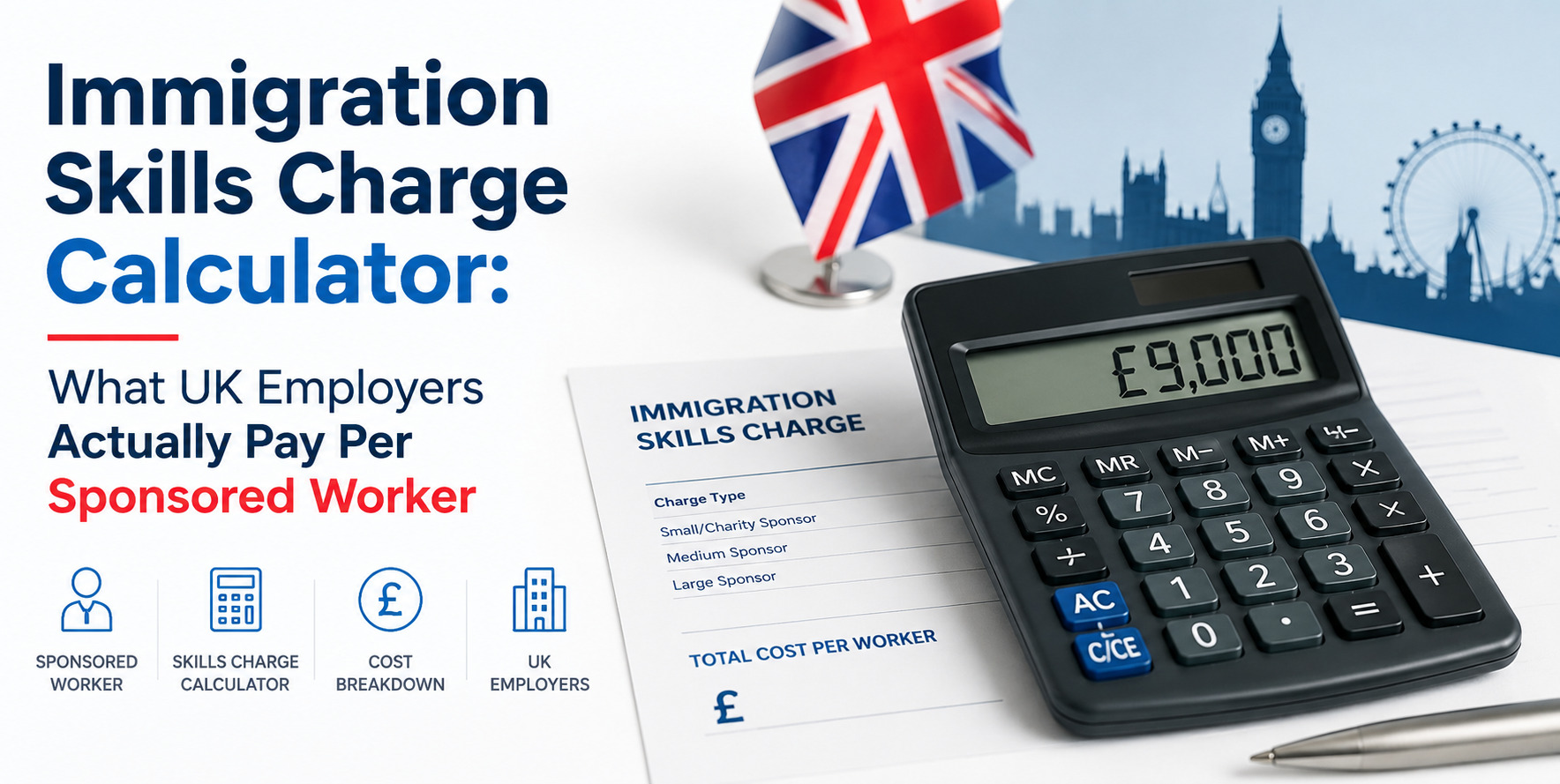
Use our Immigration Skills Charge calculator to estimate sponsorship costs per worker. Discover what UK employers actually pay and plan ahead.
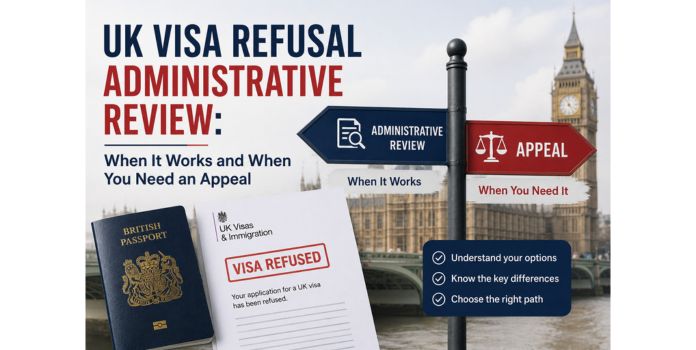
UK visa administrative review can correct Home Office errors, but it is not right for every refusal. Learn when to seek a review or appeal.
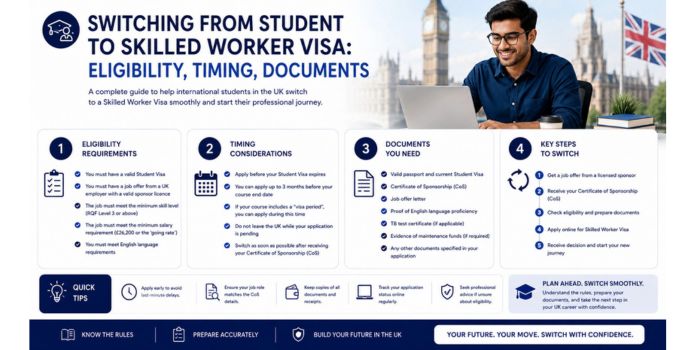
Learn how to switch student to skilled worker UK, including eligibility, timing rules, required documents, and key application steps.
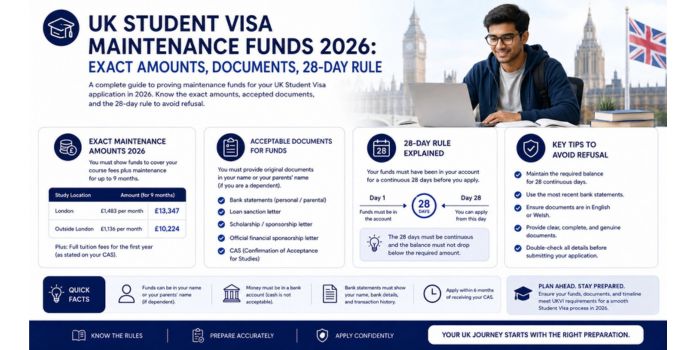
Learn the UK student visa maintenance funds requirements for 2026, including exact amounts, documents, and the 28-day rule. Explore key guidance.
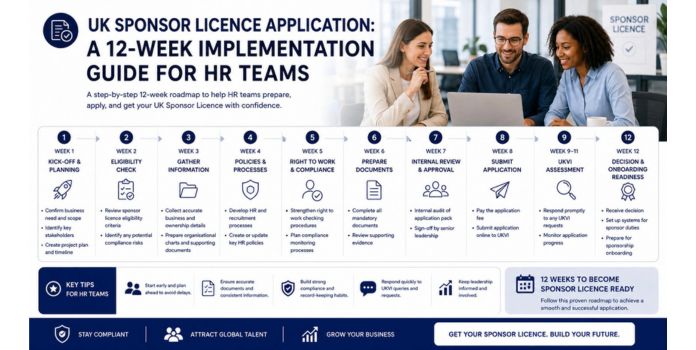
Follow this UK sponsor licence application guide to plan, prepare and submit with confidence. Explore a practical 12-week roadmap for HR teams.
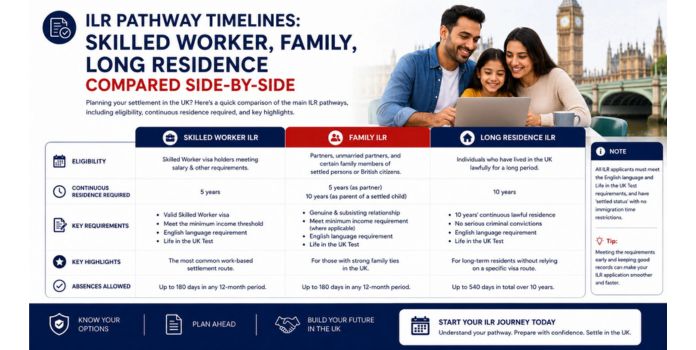
Explore ILR pathway timelines UK employers and migrants should understand across Skilled Worker, Family, and Long Residence routes. Learn more.
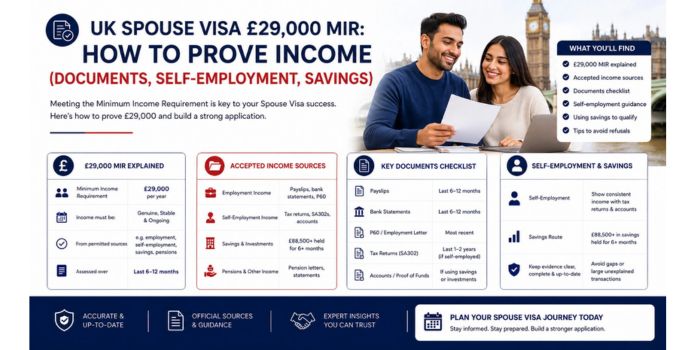
Learn which UK spouse visa £29000 MIR documents you need to prove income through employment, self-employment or savings. Explore key evidence requirements.

Discover how the Shortage Occupation List 2026 impacts reduced salary routes, sponsorship eligibility, and hiring plans for UK employers.
Most applicants can apply for British Citizenship after holding Indefinite Leave to Remain (ILR) for 12 months and completing the required qualifying residence period. Applicants married to a British citizen may be able to apply sooner.
You can usually apply immediately after receiving ILR if you are married to or in a civil partnership with a British citizen and meet all other eligibility requirements.
The Life in the UK Test is designed to assess knowledge of British history, culture and everyday life. Most applicants pass with adequate preparation using the official study materials and practice tests.
The UK generally allows dual citizenship, so you may be able to keep your original nationality. However, you should check the nationality laws of your home country before applying.
The Home Office aims to decide most British Citizenship applications within six months, although some cases may take longer depending on individual circumstances.

GMS Immigration is a trusted UK-based visa consultancy offering expert guidance for visitor, work, family, and settlement visas.With over 10 years of experience and a high success rate, they provide personalised, transparent support to help clients achieve their UK immigration goals.