

Applying for British citizenship is a big step toward securing your future in the UK. It allows you to enjoy full rights as a British national, including the right to vote, travel freely, and apply for a British passport. However, many applicants get stuck when it comes to understanding which documents are required for British citizenship.
In this guide, we’ll break down the citizenship application documents checklist, give you practical tips, and point you to reliable resources so you can submit a strong application with confidence.
Before preparing your citizenship application documents checklist, it’s important to understand when you are eligible to apply.
Most applicants can apply for British citizenship only after obtaining Indefinite Leave to Remain (ILR). In many cases, you must also wait at least 12 months after receiving ILR before applying.
However, if you are married to a British citizen, you may be able to apply immediately after getting ILR, without waiting for 12 months.
Along with this, you must meet key requirements set by the UK Home Office, including:
Understanding this stage helps you prepare the right documents at the right time and avoid delays.
Here’s a full checklist of the documents you’ll need when applying for naturalisation as a British citizen:
You must provide documents to prove who you are and that you’re legally in the UK. These may include:
For more details about legal status and immigration history, check the official UK Government guidance on citizenship applications.
Applicants must prove they have lived in the UK for the required qualifying period (usually 5 years, or 3 years if applying as a spouse of a British citizen). Evidence includes:
This ties directly with requirements for Indefinite Leave to Remain, which is often the final step before applying for citizenship.
You must demonstrate knowledge of English, Welsh, or Scottish Gaelic. Accepted documents include:
For guidance on accepted English tests, see the UKVI approved test list.
Another crucial document is the Life in the UK Test pass certificate. Without this, your application will be rejected.
If you’re unsure how to prepare, our British Citizenship services include expert guidance to help you pass with ease.
The Home Office requires applicants to show they are of good character. Documents may include:
If applying as the spouse of a British citizen, you must include your marriage or civil partnership certificate.
For more details, see our guide on the UK Spouse Visa and how it connects to long-term settlement.
You must provide the details of two referees who have known you for at least three years. One should be a person of professional standing, and the other a British passport holder.
When applying for naturalisation, your application is assessed under UK nationality laws and guidance issued by the UK Home Office.
This means your documents are not just checked individually. Rather, they are reviewed together to confirm that you meet all eligibility conditions.
The key areas assessed include:
Even if you meet the requirements, incomplete or inconsistent documents can still lead to delays or refusal. That’s why preparing your documents carefully is just as important as meeting eligibility.
Before you submit your application, make sure you have the following documents ready:
Applying for British citizenship can feel overwhelming, but with the right guidance, it becomes a smooth process. Ensuring that all documents for British citizenship are correct and complete is the key to avoiding delays or refusals.
If you are unsure about any part of the citizenship application documents checklist, it’s better to review everything carefully before submitting your application.
Many applicants assume that meeting the requirements is enough. In reality, applications are often refused due to documentation issues rather than eligibility.
Some of the most common reasons include:
In many cases, these issues can be avoided with proper preparation and review before submission.
Preparing documents for British citizenship is not just about collecting papers. Rather, it’s about making sure everything is clear, consistent, and easy to verify.
Here are a few practical tips that can help:
If something is unclear or missing, it’s better to address it early rather than risk delays later.
Applying for British citizenship is an important step, but the process often comes down to how well your documents are prepared.
Many applicants meet the eligibility requirements but face delays or refusals due to small mistakes, missing documents, or inconsistencies in their application.
If you are unsure about what documents you need to apply for British citizenship or whether your application is complete, getting proper guidance can make the process much smoother.
At GMS Immigration, our IAA-certified advisers support you at every stage from reviewing your documents to ensuring your application is accurate and compliant with current requirements.
Contact our experienced and IAA-certified team today for a one-on-one consultation.
📞 Call: 020 8059 0483
📱 WhatsApp: +44 7455 861135
🌐 Visit GMS Immigration
Applying for British Citizenship by naturalisation? Learn the eligibility rules, required documents, costs, and application steps. Explore more.
Discover how Indefinite Leave to Remain can offer long-term stability, work flexibility, and a path to British citizenship. Learn more today.
Understand the most common UK student visa refusal reasons in 2026 and learn when to appeal or reapply. Explore your next steps with confidence.
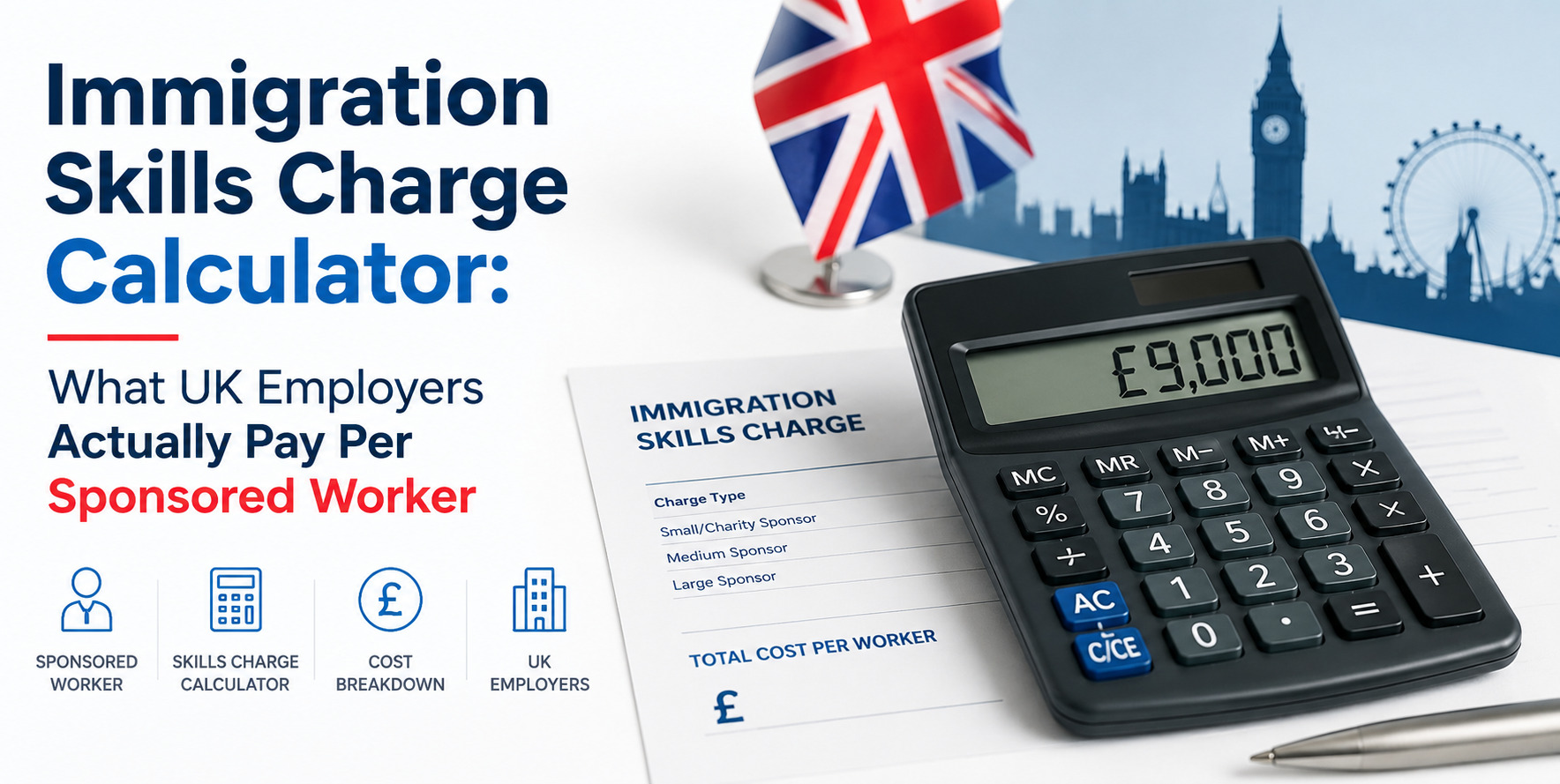
Use our Immigration Skills Charge calculator to estimate sponsorship costs per worker. Discover what UK employers actually pay and plan ahead.
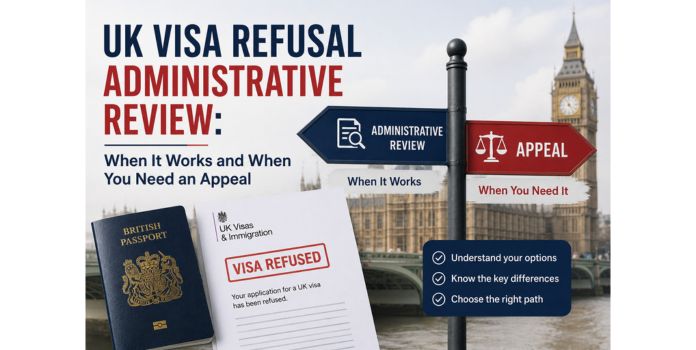
UK visa administrative review can correct Home Office errors, but it is not right for every refusal. Learn when to seek a review or appeal.
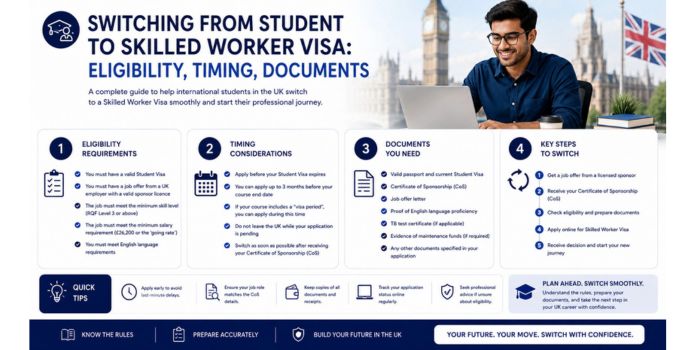
Learn how to switch student to skilled worker UK, including eligibility, timing rules, required documents, and key application steps.
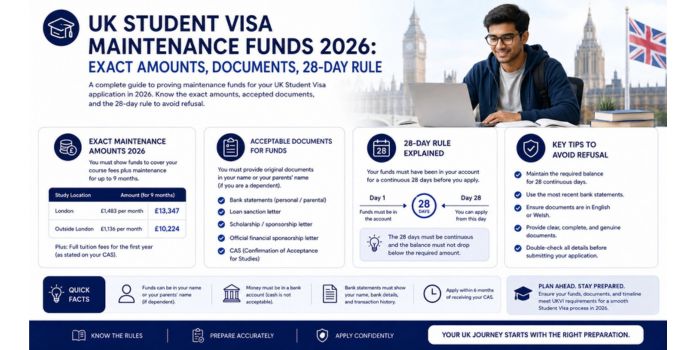
Learn the UK student visa maintenance funds requirements for 2026, including exact amounts, documents, and the 28-day rule. Explore key guidance.
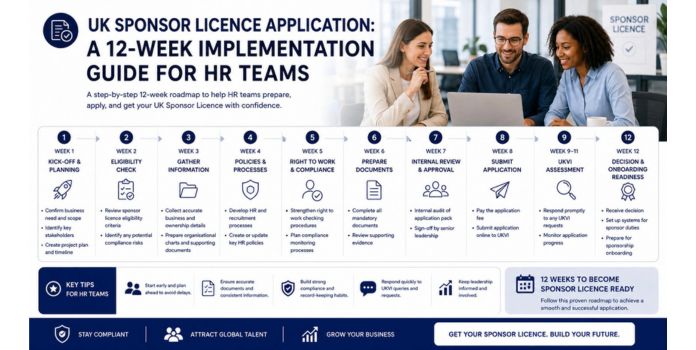
Follow this UK sponsor licence application guide to plan, prepare and submit with confidence. Explore a practical 12-week roadmap for HR teams.
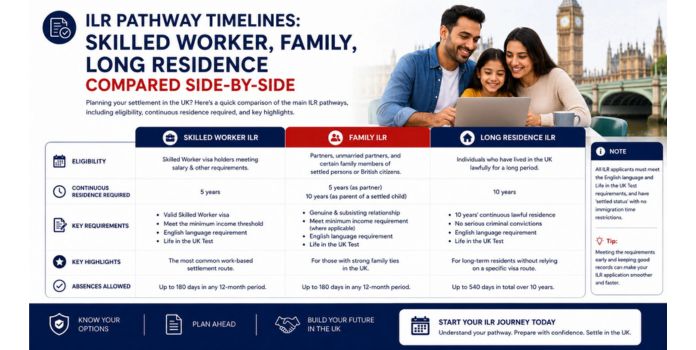
Explore ILR pathway timelines UK employers and migrants should understand across Skilled Worker, Family, and Long Residence routes. Learn more.
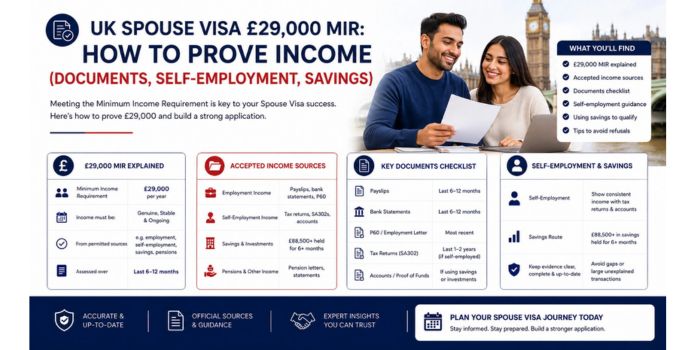
Learn which UK spouse visa £29000 MIR documents you need to prove income through employment, self-employment or savings. Explore key evidence requirements.
You’ll need your passport, biometric residence permit (if applicable), proof of residence in the UK, Life in the UK Test certificate, English language certificate, and documents to prove your lawful stay such as visas or Home Office letters. You may also need marriage or birth certificates if applying through family routes.
Yes, if you are applying based on residency and employment, payslips, P60s, or HMRC records may be required to show lawful residence and compliance with UK tax rules.
Most applicants must show 5 years of continuous residence in the UK before the date of application. For those married to a British citizen, the requirement is usually 3 years.
Yes, utility bills, council tax statements, tenancy agreements, or bank statements can be accepted as additional proof of residence in the UK.
Yes, the Home Office usually requires original documents. Photocopies are not accepted unless certified by a professional or official body.
Yes, unless you are exempt (for example, due to age or disability), the Life in the UK Test certificate is a compulsory document for your British citizenship application.
No, children under 18 generally don’t need to pass the English test or the Life in the UK Test, but you must still provide their birth certificate, passport, and proof of parents’ immigration status.

GMS Immigration is a trusted UK-based visa consultancy offering expert guidance for visitor, work, family, and settlement visas.With over 10 years of experience and a high success rate, they provide personalised, transparent support to help clients achieve their UK immigration goals.