

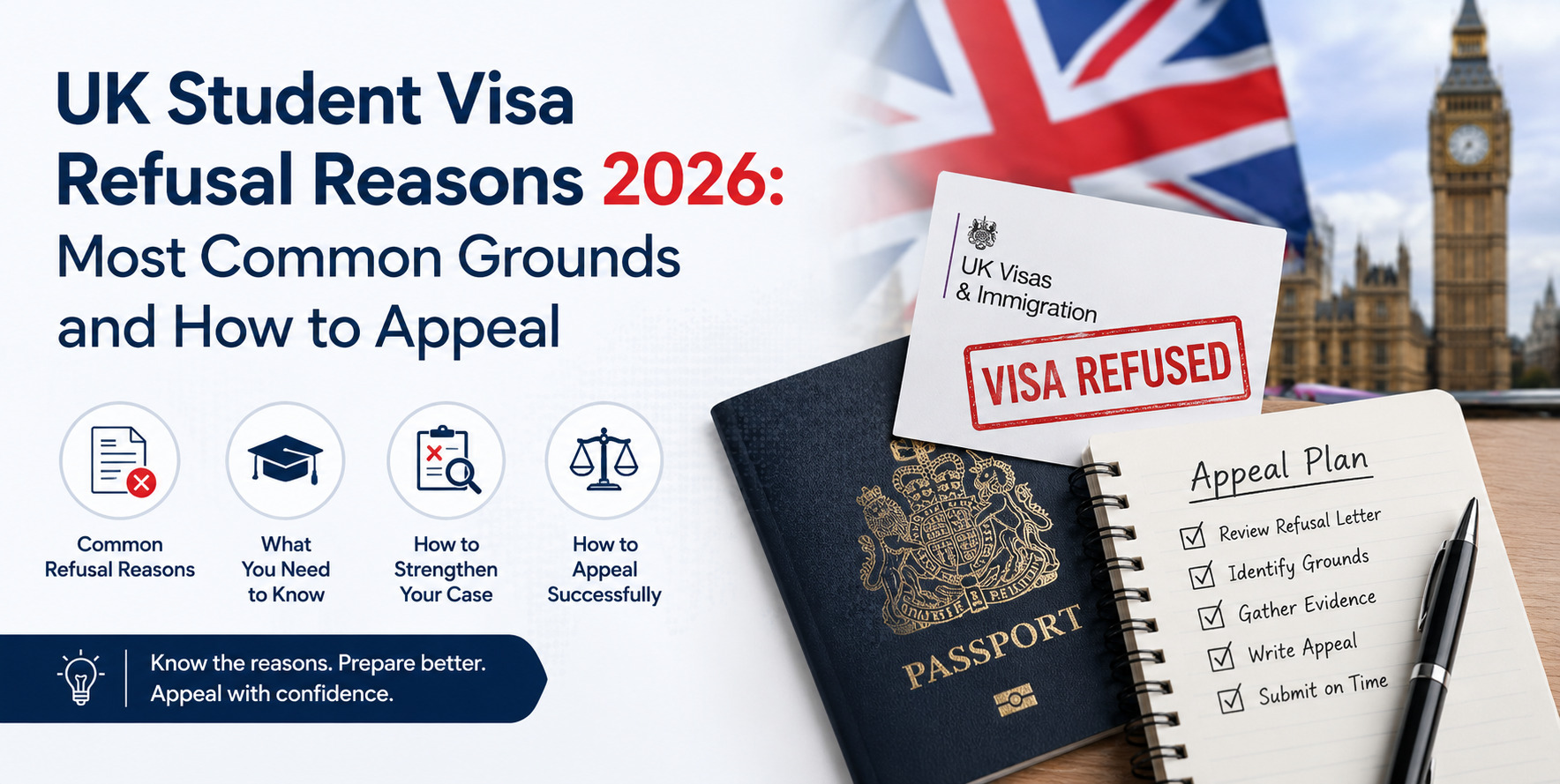
You have secured a university place. Your accommodation is booked. Classes are due to start in a few weeks.
Then the refusal email arrives.
For many international students, that single decision puts months of planning into question. It can also create uncertainty about whether the issue can be fixed or whether the opportunity to study in the UK has been lost altogether.
The reality is that most UK student visa refusal reasons have little to do with academic ability. In many cases, the refusal relates to financial evidence, supporting documents, concerns about the Genuine Student requirement, or other requirements under Appendix Student. The Home Office assesses every application against specific immigration rules, regardless of whether a student has already been accepted by a university.
Understanding why the application was refused is often the most important step. Some refusals can be resolved through a fresh application. Others may require a closer look at whether the Home Office made a caseworking error.
In this blog, we explain the most common UK student visa refusal reasons for 2026, how the Home Office assesses Student visa applications, and what options may be available if your application has been refused.
A refusal does not automatically mean your plans to study in the UK are over.
The first thing you need to understand is why the application was refused. The refusal letter will normally explain which requirement the Home Office believes has not been met and whether any review options are available.
Many students focus on the outcome rather than the reason behind it. That can be a mistake.
The refusal notice often contains the information needed to decide what to do next. In some cases, the issue may be a missing document or a financial evidence problem. In others, the Home Office may have concerns about the information provided during the application process.
A refusal notice will normally explain the following:
The refusal notice should also explain whether Administrative Review is available. This becomes important if you believe the Home Office made an error when assessing the application.
A refusal does not automatically prevent you from obtaining a UK visa in the future. What matters is the reason for the refusal and whether the underlying issue is resolved before a new application is submitted.
For example, if an application was refused because the required maintenance funds were not held for the correct period, a future application may succeed once the financial evidence meets the requirements. Similarly, where supporting documents were incomplete or incorrect, those issues can often be addressed through a fresh application.
However, refusals involving allegations of false information, document discrepancies, or wider suitability concerns may have longer-term consequences and should be considered carefully before taking further action. Appendix Student contains suitability requirements that applicants must continue to satisfy when making future applications.
Yes, and a fresh application is often the most practical solution when the refusal is linked to evidence that can be corrected. If a bank statement was missing, financial requirements were not met, or supporting documents contained errors, reapplying may be quicker than pursuing a challenge.
Before making that decision, however, you need to understand exactly what caused the refusal. The next section looks at the most common UK student visa refusal reasons under Appendix Student and why certain issues appear repeatedly in refusal decisions.
Here is a complete guide on the UK student visa 2026.
Understanding the specific reason for refusal is important because different refusal grounds often require different solutions.
The table below summarises some of the most common UK student visa refusal reasons and the concerns that may lead to a refusal decision.
| Refusal Ground | What UKVI May Be Concerned About |
| Financial evidence | Required funds have not been evidenced correctly |
| CAS-related issues | Sponsorship information is missing, incorrect, or no longer valid |
| English language requirement | The required language requirement has not been demonstrated |
| Supporting documents | Evidence is incomplete, inconsistent, or unavailable |
| Immigration history and suitability | Previous immigration issues or concerns about the information provided |
| Genuine Student requirement | Doubts about whether the applicant genuinely intends to study |
Many students are surprised when their visa is refused despite having a university offer, a valid CAS, and the required funds.
In many of those cases, the concern relates to the Genuine Student requirement. The Home Office must be satisfied that you genuinely intend to study the course stated in your application and that the Student route is being used for its intended purpose. Appendix Student requires most applicants to meet this requirement before a visa can be granted.
This is also one reason why older searches for Tier 4 refusal grounds are still relevant today. Although the Tier 4 route has been replaced by the Student route, concerns about credibility, study intentions, and course progression continue to play an important role in refusal decisions.
| What UKVI May Assess | Why Its Important |
| Course choice | The course should make sense for your background and goals |
| Academic progression | The course should show a logical progression from previous studies |
| Career plans | Future plans should align with the chosen course |
| Knowledge of the institution | Applicants should understand why they selected the provider |
| Immigration history | Previous applications may be considered |
| Interview responses | Inconsistent answers can affect credibility |
The Genuine Student assessment is different from checking a bank statement or reviewing a document. It is a wider assessment of whether the overall application is credible.
For example, if an applicant cannot explain why they chose a particular course, or the course appears unrelated to their previous education without a clear reason, UKVI may ask further questions. On its own, this may not lead to refusal. However, when several concerns arise together, they can influence the overall assessment.
Many students assume a refusal automatically gives them a right of appeal.
In reality, most Student visa refusals do not carry a full appeal right. Instead, applicants may be able to request an Administrative Review if they believe the Home Office made a caseworking error. Whether this option is available will be explained in the refusal letter.
| Administrative Review | Student Visa Refusal Appeal |
| Reviews potential Home Office errors | Heard by an independent tribunal |
| Common after eligible Student visa refusals | Available only in limited circumstances |
| Based on the original application | May involve wider legal issues |
With careful preparation and attention to detail, many UK student visa refusals can be avoided.
| Area To Check Before Applying | Why It Matters |
| Financial evidence | UKVI must be satisfied that the required funds are properly evidenced |
| CAS details | Information should be accurate and consistent throughout the application |
| Supporting documents | Missing or conflicting evidence can raise concerns |
| Genuine Student requirement | The application should clearly demonstrate study intentions |
| Application form | Errors or omissions may affect the assessment
|
You can even discuss the challenges with experienced Immigration Solicitors UK can provide clarity.
Not every Student visa refusal requires legal advice. However, some refusals involve more than a simple document error and may benefit from a professional review before you take further action.
You may wish to seek advice if:
A Student visa refusal can be frustrating, especially when university plans are already in motion.
Therefore, the key is understanding why the application was refused before deciding what to do next. Some UK student visa refusal reasons can be addressed through a fresh application, while others may require a closer look at whether the Home Office made a caseworking error. So carefully review the refusal notice, address issues, and seek help when necessary to make informed decisions.
If you are unsure whether to reapply or challenge the decision, guidance on Immigration Appeals may help you understand the options available and the most appropriate route for your circumstances.
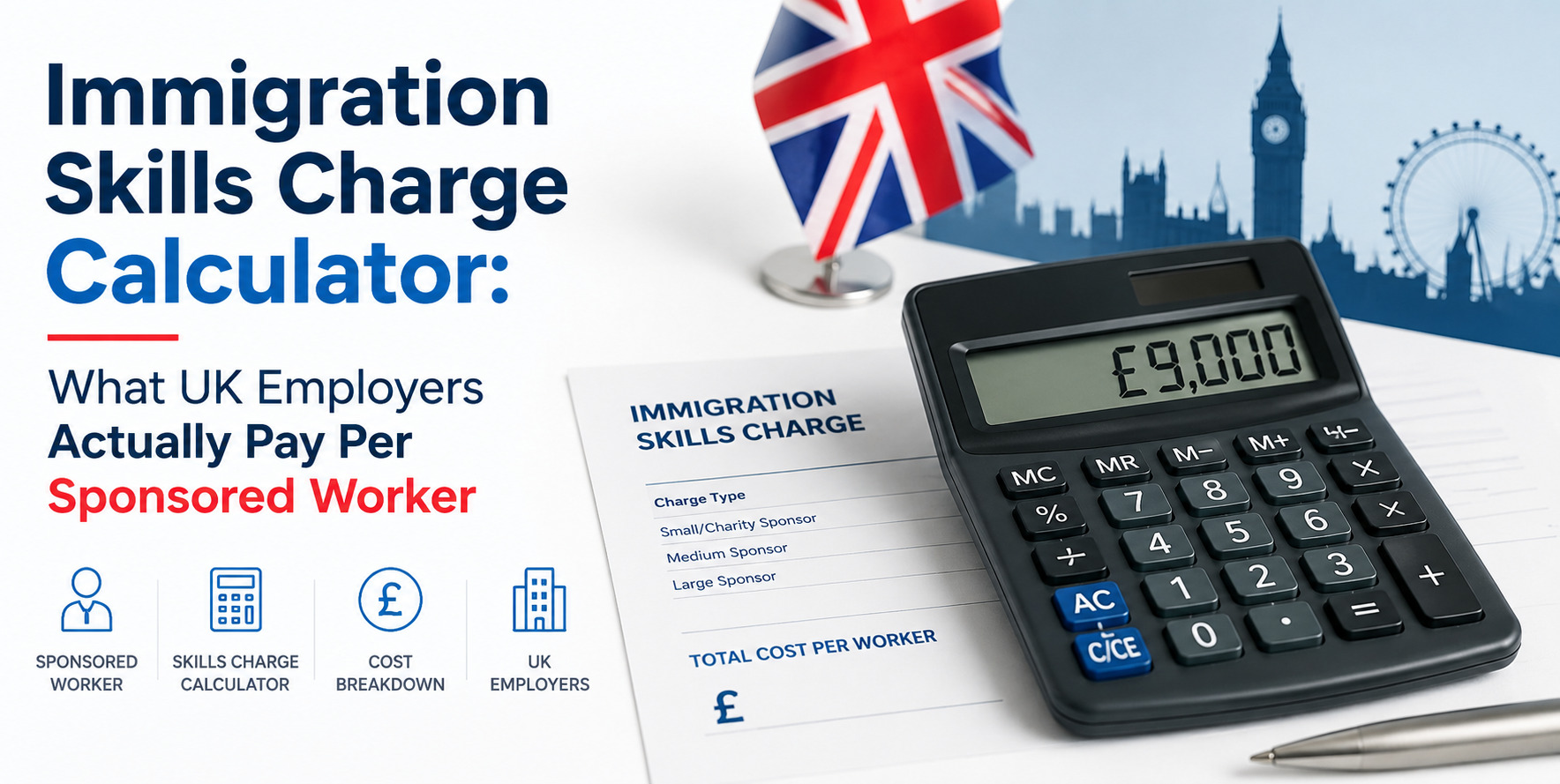
Use our Immigration Skills Charge calculator to estimate sponsorship costs per worker. Discover what UK employers actually pay and plan ahead.
UK visa administrative review can correct Home Office errors, but it is not right for every refusal. Learn when to seek a review or appeal.
Learn how to switch student to skilled worker UK, including eligibility, timing rules, required documents, and key application steps.
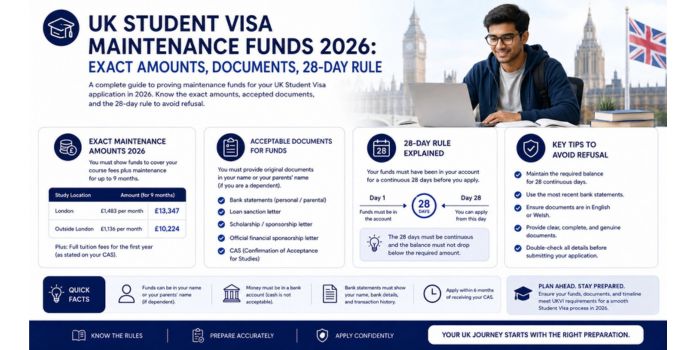
Learn the UK student visa maintenance funds requirements for 2026, including exact amounts, documents, and the 28-day rule. Explore key guidance.

Follow this UK sponsor licence application guide to plan, prepare and submit with confidence. Explore a practical 12-week roadmap for HR teams.
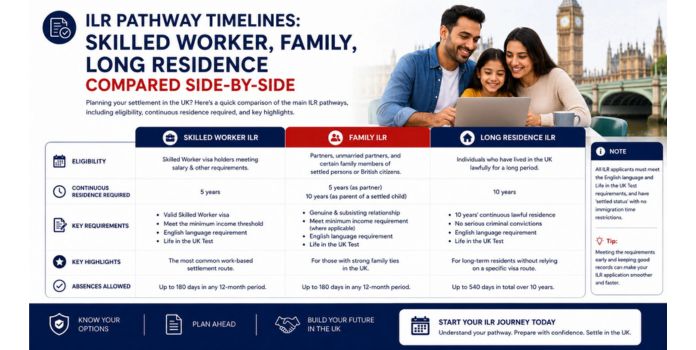
Explore ILR pathway timelines UK employers and migrants should understand across Skilled Worker, Family, and Long Residence routes. Learn more.
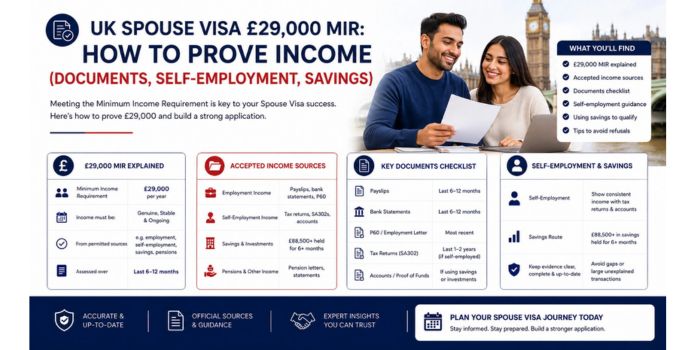
Learn which UK spouse visa £29000 MIR documents you need to prove income through employment, self-employment or savings. Explore key evidence requirements.

Discover how the Shortage Occupation List 2026 impacts reduced salary routes, sponsorship eligibility, and hiring plans for UK employers.
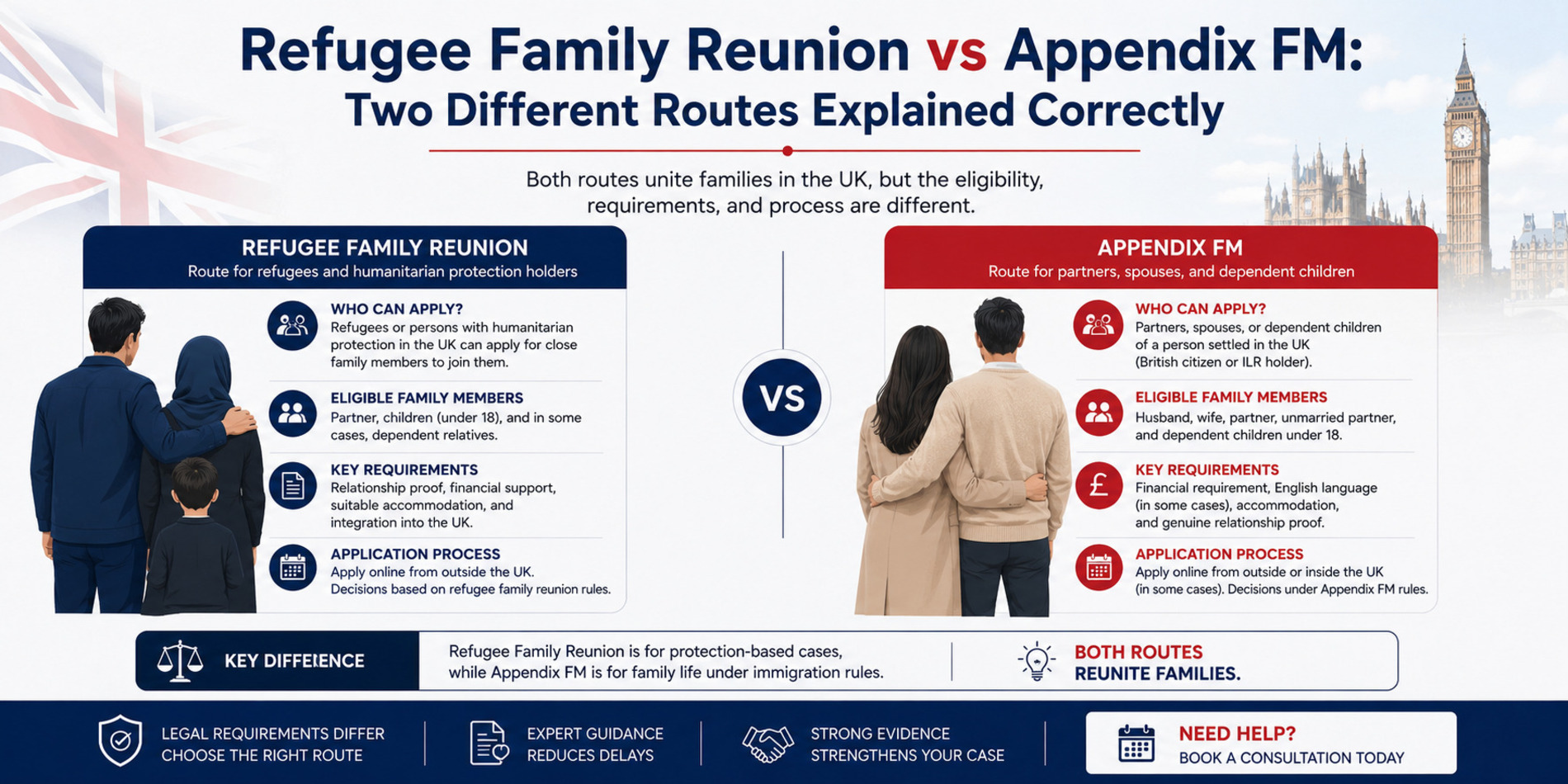
Confused about refugee family reunion UK and Appendix FM? Learn the key differences, eligibility rules, and the right route for your family. Explore now.

The UK High Potential Individual (HPI) visa lets graduates of the world’s top-ranked universities work, look for work, or run a business in the United Kingdom for two years (three years for PhD holders) without needing a job offer or a sponsor.
Usually, no. Most Student visa refusals do not carry a full right of appeal. Instead, applicants may be able to request an Administrative Review if they believe the Home Office made a caseworking error when assessing the application. Whether this option is available will normally be explained in the refusal notice.
It includes financial evidence, concerns about the Genuine Student requirement, CAS-related issues, missing supporting documents, and failure to meet the English language requirements under Appendix Student.
Yes. In many cases, applicants can submit a fresh application after addressing the issue that led to the refusal.
An appeal is considered by an independent tribunal, while an Administrative Review is conducted by the Home Office. Administrative Review focuses on whether a caseworking error was made when assessing the original application.
Yes. UKVI may invite some applicants to attend a credibility interview as part of the assessment process. Its purpose is to help the Home Office assess whether the application is credible.

GMS Immigration is a trusted UK-based visa consultancy offering expert guidance for visitor, work, family, and settlement visas.With over 10 years of experience and a high success rate, they provide personalised, transparent support to help clients achieve their UK immigration goals.