


Getting a UK visa refusal can feel devastating — especially when your travel, study, or future plans are on the line. But don’t lose hope. Many people successfully appeal, reapply, or fix errors in their applications and get approved.
At GMS Immigration, we’ve helped hundreds of clients turn their refusals into approvals. In this blog, we’ll explain the reasons behind refusals, what to do next, and how to avoid it in the future.
A UK visa refusal letter explains why your application was not approved. It is not just a formal notice. It outlines the exact concerns raised by the Home Office.
Most refusal letters refer to specific immigration rules and list the UK visa refusal reasons. These may relate to your finances, documents, or credibility. The wording may appear formal, but each point reflects a clear concern.
Focus on the actual reason behind the wording. Terms like “not satisfied” usually point to missing evidence or unclear information. Understanding these UK visa rejection reasons is the first step towards improving your application.
Do not treat all refusal points equally. Some issues carry more weight, such as financial gaps or inconsistent information. A proper UK visa refusal solution starts with identifying what went wrong in your case.
Understanding why your visa was refused is the first step. The Home Office usually mentions the reasons in the Refusal Letter.
Top reasons include:
👉 Check this UK Gov page for official refusal reasons
Your options depend on the type of visa and the reason for refusal. Here’s a simple breakdown:
1. Administrative Review (AR)
2. Appeal the Decision
👉 Read more about UK visa appeals on GOV.UK
3. Reapply with Better Documents
After a UK visa refusal, the next step depends on the reason for refusal and the visa category. Not all options are available in every case.
Reapplying is the most common option after a UK visa refusal. There is no fixed waiting period. You can submit a new application once you have addressed the reasons for the UK visa refusal.
A strong UK visa refusal solution focuses on correcting gaps, not repeating the same documents.
Appeals are limited to specific visa types, usually involving human rights or family routes. Most visitor visa refusals do not carry a right of appeal. If allowed, an appeal challenges the decision based on how the case was assessed, not on the addition of new information.
An administrative review is used when you believe a caseworking error has been made. It does not reconsider your full application. It only checks whether the decision followed the correct process. This option is only available in certain visa categories and does not apply to all UK visa rejection reasons.
If you're reapplying, avoid the same mistakes. Follow this checklist:
UK Visa Reapplication Tips:
Many applicants reapply immediately after a UK visa refusal without fixing the actual issue. Submitting the same documents again does not change the outcome. A proper UK visa refusal solution requires clear improvements.
Overlooking the UK visa refusal reasons is a common mistake. Each point in the refusal letter highlights a concern. Ignoring these details can lead to repeated UK visa rejection reasons in future applications.
Adding documents without strengthening them does not help. Financial records, employment proof, or travel plans must clearly support your case. Weak evidence often leads to another UK visa refusal.
Changes in your application must be accurate and explained. Any mismatch in details can raise doubts about credibility. Consistency is key when resolving UK visa rejection reasons.
Let’s say your UK Spouse Visa was refused because of inadequate income evidence. Here’s what you can do:
👉 You can also read our detailed UK Spouse Visa Financial Requirements guide.
Before submitting a new application after a UK visa refusal, review your documents carefully. Reapplying without changes can lead to repeated UK visa rejection reasons.
A strong UK visa refusal solution is based on clarity, consistency, and improved evidence.
Yes, especially if you:
But one refusal doesn't mean the end. With the right strategy, you can still get your visa.
However, a UK visa refusal does not prevent you from applying again. There is no automatic ban. However, every future application is assessed with your immigration history in mind.
Previous Refusal Must Be Declared
You must disclose any UK visa refusal in your new application. Failure to do so can lead to further concerns. Transparency is important.
Impact Depends on the Reason
The effect of a refusal depends on the UK visa refusal reasons. Minor issues can be corrected easily. More serious UK visa rejection reasons, such as credibility or financial concerns, require stronger evidence.
Repeated Refusals Can Affect Credibility
Multiple refusals without improvement can raise doubts. Reapplying with the same gaps often leads to the same outcome. Each application should show clear changes.
Focus on a Stronger Application
A well-prepared UK visa refusal solution addresses previous concerns directly. Clear documentation and consistent information can improve how your application is assessed.
A UK visa refusal can feel uncertain, but it is not the end of the process. What matters is how you respond. Understanding the UK visa refusal reasons, correcting gaps, and submitting a stronger application can improve your chances next time. Each refusal provides clear direction if reviewed carefully.
If you are unsure how to move forward or need clarity on the right UK visa refusal solution, GMS Immigration can help you assess your case properly. A careful review before reapplying can make a meaningful difference to your outcome.
If your refusal letter feels confusing or you’re unsure what to do, speak to an expert. At GMS Immigration, we:
📞 Contact us today for a free consultation on your refused visa case.
Phone: 020 8059 0483
Email: baljit@gmsimmigration.co.uk
Website: www.gmsimmigration.co.uk
Applying for British Citizenship by naturalisation? Learn the eligibility rules, required documents, costs, and application steps. Explore more.

Discover how Indefinite Leave to Remain can offer long-term stability, work flexibility, and a path to British citizenship. Learn more today.
Understand the most common UK student visa refusal reasons in 2026 and learn when to appeal or reapply. Explore your next steps with confidence.
Use our Immigration Skills Charge calculator to estimate sponsorship costs per worker. Discover what UK employers actually pay and plan ahead.
UK visa administrative review can correct Home Office errors, but it is not right for every refusal. Learn when to seek a review or appeal.
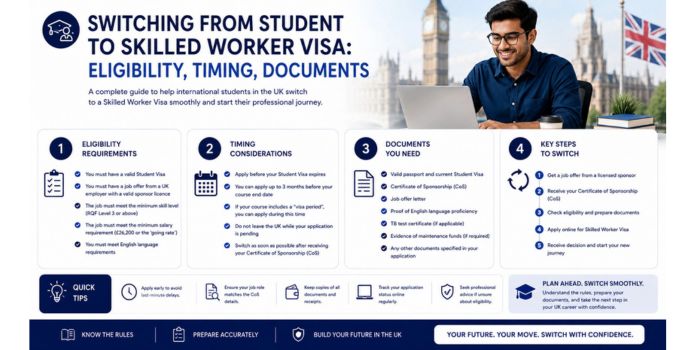
Learn how to switch student to skilled worker UK, including eligibility, timing rules, required documents, and key application steps.
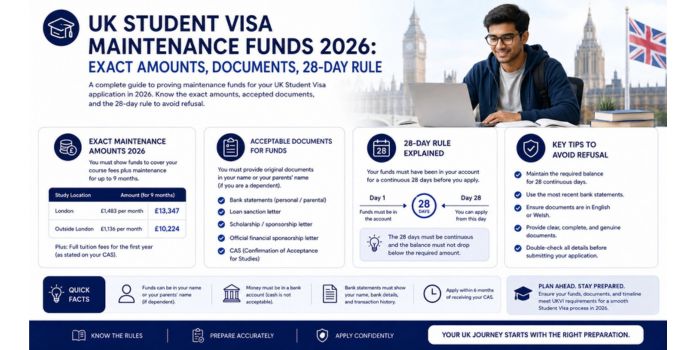
Learn the UK student visa maintenance funds requirements for 2026, including exact amounts, documents, and the 28-day rule. Explore key guidance.
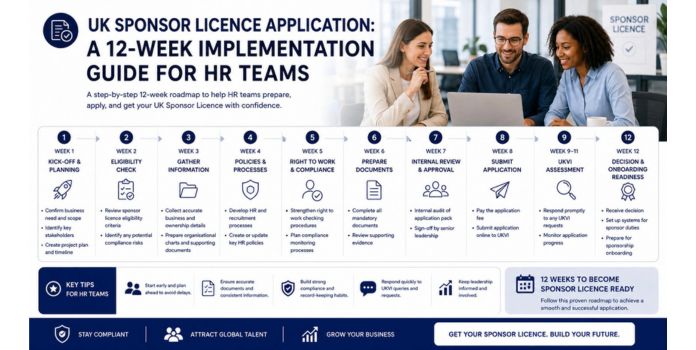
Follow this UK sponsor licence application guide to plan, prepare and submit with confidence. Explore a practical 12-week roadmap for HR teams.
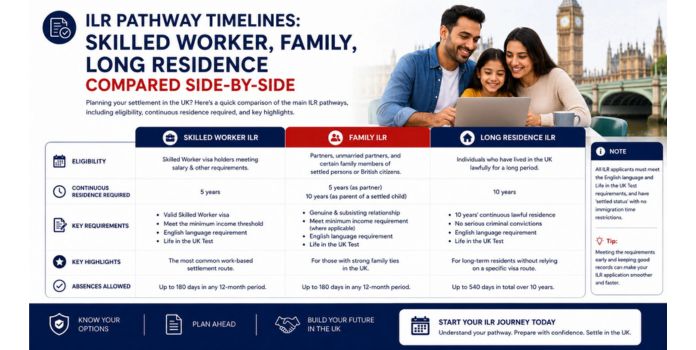
Explore ILR pathway timelines UK employers and migrants should understand across Skilled Worker, Family, and Long Residence routes. Learn more.
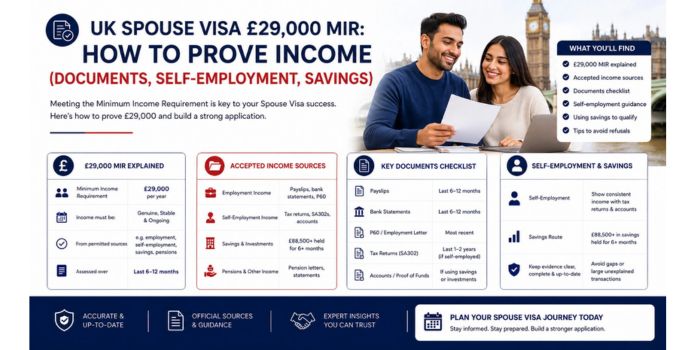
Learn which UK spouse visa £29000 MIR documents you need to prove income through employment, self-employment or savings. Explore key evidence requirements.
Yes, but only if you have addressed the reason for refusal.
Not necessarily. You’re only banned if you breached serious immigration rules or submitted false documents.
It can take 3–6 months or more, depending on case complexity and court availability.
Appeal fees vary between £80 to £140, depending on the type and whether there’s a hearing.
Absolutely. We’ve handled many successful appeal and reapplication cases.

GMS Immigration is a trusted UK-based visa consultancy offering expert guidance for visitor, work, family, and settlement visas.With over 10 years of experience and a high success rate, they provide personalised, transparent support to help clients achieve their UK immigration goals.