

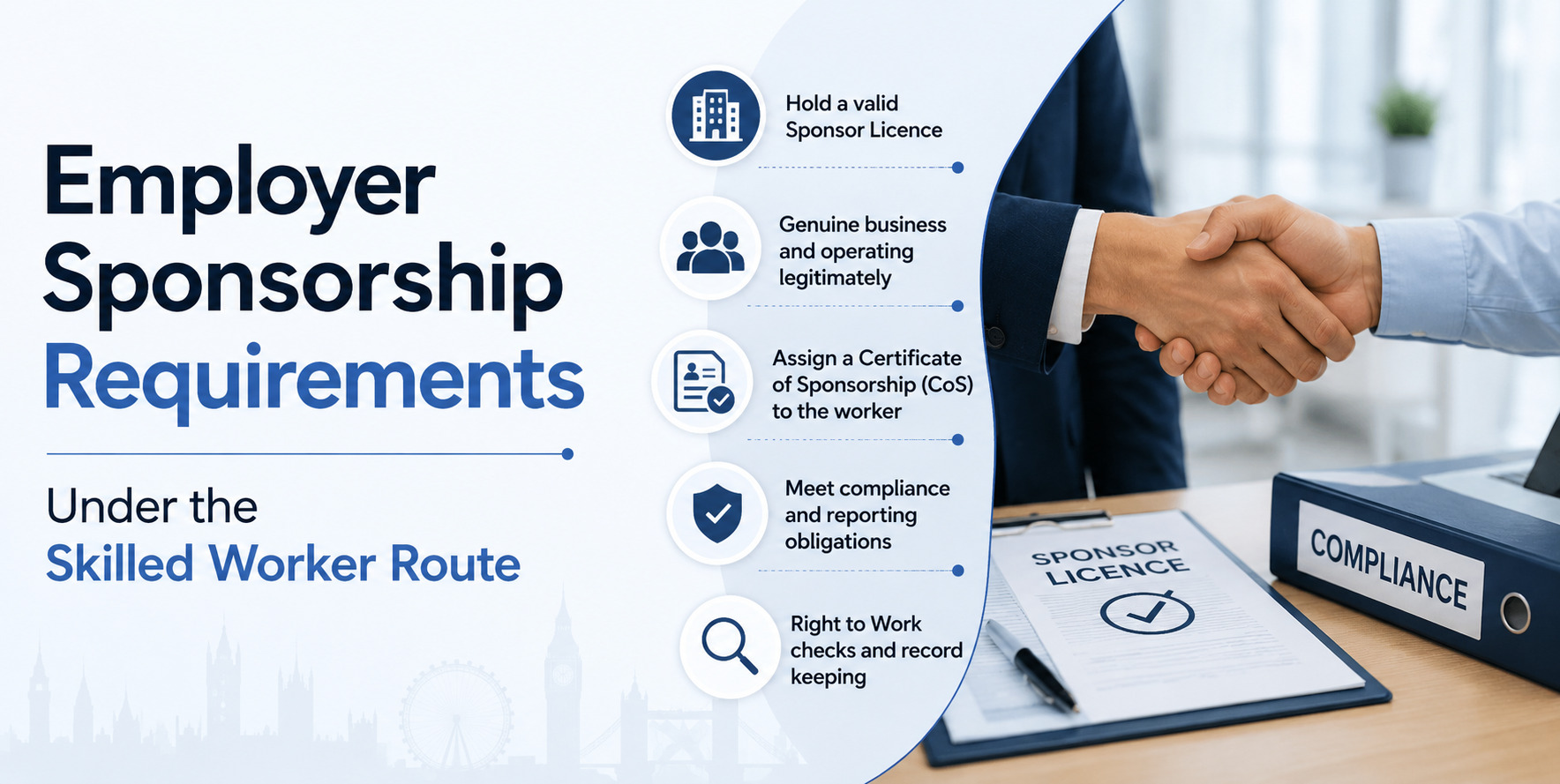
Recruiting overseas talent can help businesses address skills shortages, support growth, and access specialist expertise. However, hiring through the Skilled Worker Visa UK route involves more than identifying a suitable candidate and making an offer. Employers must meet a series of sponsorship requirements before a worker can apply for a UK Work Visa under the UK's points-based immigration system.
At first glance, the process can appear complex. In practice, it follows a structured framework built around two key requirements: obtaining a valid UK Sponsor Licence and assigning a Certificate of Sponsorship to an eligible worker. These steps form the foundation of the Skilled Worker Route, which has become one of the principal pathways for Skilled Migration UK. Many overseas applicants still refer to the route as a Work Permit UK or UK Employment Visa, although applications are now made under the Skilled Worker framework.
The rules governing the Skilled Worker Visa UK are set out in Appendix Skilled Worker of the Immigration Rules. In this guide, we explain employer eligibility, sponsorship costs, compliance obligations, the Certificate of Sponsorship process, and where professional support can help employers navigate a Sponsorship Visa UK application with confidence.
Many UK employers are facing recruitment challenges in sectors where domestic talent is in short supply. For businesses that need access to specialist skills, the Skilled Worker Route provides a structured pathway to recruit eligible overseas workers. Today, the Skilled Worker Visa UK route forms a key part of the country's immigration system and continues to play an important role in supporting Skilled Migration UK across a wide range of industries.
Know more about the Skilled Worker Visa.
Since the end of free movement, employers can no longer recruit most overseas nationals without meeting immigration requirements. The Skilled Worker Visa UK has become the primary route for sponsoring skilled workers from outside the resident workforce, whether the applicant is applying from overseas or switching from an eligible immigration category within the UK.
The route replaced the former Tier 2 (General) visa and operates under Appendix Skilled Worker of the Immigration Rules. It forms part of the wider points-based immigration system, under which applicants must score the required number of points before a UK Work Visa can be granted.
Points are awarded across a combination of mandatory and tradeable criteria, including sponsorship, salary, skill level, and English language ability. For employers, sponsorship sits at the centre of the process. Without a valid UK Sponsor Licence, a business cannot assign a Certificate of Sponsorship, and the worker cannot proceed with a Skilled Worker Visa UK application.
Many overseas applicants still refer to this route as a Work Permit UK or UK Employment Visa. In practice, sponsorship is now managed through the Skilled Worker framework and the UK's points-based immigration system.
A common misconception is that sponsorship is only available to large corporations. In reality, a wide range of organisations can apply for a UK Sponsor Licence, including limited companies, charities, educational institutions, public bodies and growing start-ups. The key requirement is that the organisation is genuinely operating within the UK and can demonstrate that the role being offered is legitimate.
When assessing an application, the Home Office will examine the credibility of the business, the authenticity of the vacancy, and whether appropriate systems are in place to meet ongoing sponsorship duties. New businesses are not excluded from the process, provided they can show evidence of trading activity, operational infrastructure and the ability to comply with sponsor obligations.
Many employers seek professional guidance at this stage to avoid delays or compliance concerns. Through GMS Immigration's wider Immigration Services, businesses can get support with sponsor licence applications, sponsorship compliance and long-term workforce planning.
Bonus read: Types of Work Visas
For employers planning to recruit overseas talent through the Skilled Worker Visa UK, obtaining a UK Sponsor Licence is a critical step. The licence gives an organisation permission to sponsor eligible workers and forms the foundation of the wider UK Work Visa process. Before approval is granted, the Home Office must be satisfied that the organisation is genuine, suitable, and capable of meeting its sponsorship responsibilities.
Any organisation applying for a UK Sponsor Licence must demonstrate that it is actively operating in the UK and has a genuine need to recruit workers under the Skilled Worker Route. Supporting documents are required to confirm the organisation's legal status and trading activity.
The application must also identify key personnel who will manage sponsorship duties. This includes the Authorising Officer, who holds overall responsibility for compliance. Suitability checks apply to these individuals. Unspent criminal convictions for relevant offences, previous immigration compliance concerns, or involvement with a revoked sponsor licence may affect eligibility.
Employers should also ensure that the roles they intend to sponsor meet the requirements of the Skilled Worker Route. The occupation must appear on the list of eligible roles and meet the applicable skill level requirements set out within the Immigration Rules.
Once a UK Sponsor Licence is approved, employers gain access to the Sponsorship Management System (SMS). This online platform is used to manage sponsorship activity linked to the Skilled Worker Visa UK and other eligible immigration routes.
Key personnel include:
Actions taken within the SMS can have important compliance consequences, so these responsibilities should be clearly understood from the outset.
The Home Office may decide an application based solely on the documents submitted, although some organisations are selected for a pre-licence compliance assessment. Where a visit takes place, UK Visas and Immigration will consider whether the business has suitable systems for monitoring sponsored workers, retaining records, and meeting reporting requirements.
Assessing officers will also examine whether vacancies are genuine and whether key personnel understand their sponsorship responsibilities. Applications can be delayed or refused where the Home Office is not satisfied that sponsor requirements have been met or where concerns arise regarding documentation, processes, or compliance arrangements.
As immigration rules and sponsorship requirements can change, employers should always refer to the latest Home Office guidance or seek regulated immigration advice before submitting an application.
A Certificate of Sponsorship (CoS) is a mandatory requirement for employers recruiting under the Skilled Worker Route. Before a worker can apply for a Skilled Worker Visa UK or other eligible UK Work Visa route, a licensed sponsor must assign a valid CoS through the Sponsorship Management System (SMS).
The type of CoS required depends on where the worker is applying from.
| Certificate Type | When It Is Used |
| Defined CoS | For workers applying for a Skilled Worker visa from outside the UK |
| Undefined CoS | For workers already in the UK who are eligible to switch into the Skilled Worker route |
When applying for a UK Sponsor Licence, employers estimate how many undefined certificates they may need during their first year of sponsorship.
A CoS contains a unique reference number that the worker uses when submitting their Skilled Worker visa application.
Before assigning a CoS, employers should ensure that:
Once assigned, the worker uses the unique reference number to apply for their UK Work Visa within the required timeframe. Employers should ensure that job details, salary information, occupation codes, and start dates are accurate, as errors can delay a Sponsorship Visa UK application. For certain academic and research roles, an Academic Technology Approval Scheme (ATAS) certificate may also be required.
Assigning a CoS is only one part of the assessment. The role itself must satisfy the requirements set out in Appendix Skilled Worker.
Employers should verify that:
A common area of confusion involves salary thresholds. In many cases, employers must meet both the relevant salary requirement and the going rate for the occupation code. Where the going rate is higher, that higher figure will usually apply.
Salary requirements can change through updates to the Immigration Rules. Certain applicants, including some workers sponsored in occupations listed on the Immigration Salary List, may qualify under different salary provisions. Because these rules can be highly technical, employers should always check the latest Home Office guidance or seek professional immigration advice before assigning a Certificate of Sponsorship.
Employers recruiting through the Skilled Worker Visa UK route should understand the financial commitments associated with sponsorship. Costs can vary depending on the size of the organisation and the length of sponsorship, but certain charges apply across most Skilled Worker Route applications.
Two core costs arise at the sponsorship stage:
| Cost Type | Key Point |
| Sponsor Licence Fee | Payable when applying for a licence. The amount depends on whether the organisation qualifies as a small sponsor or a larger sponsor. |
| Certificate of Sponsorship (CoS) Fee | Payable each time a Skilled Worker Certificate of Sponsorship is assigned. |
Current fees are set by the Home Office and may change over time, so employers should always verify the latest figures before submitting a Sponsorship Visa UK application.
Most employers sponsoring workers under the Skilled Worker route must also pay the Immigration Skills Charge (ISC). This statutory charge is paid by the sponsoring organisation and is calculated according to the length of sponsorship stated on the Certificate of Sponsorship.
A lower rate applies to:
Some workers are exempt from the ISC under specific provisions of the Immigration Skills Charge Regulations. As eligibility for exemptions can depend on the worker's circumstances and role, professional advice is often worthwhile where there is any uncertainty.
For employers budgeting future recruitment costs, our Immigration Skills Charge Calculator for UK Employers provides a useful starting point when estimating potential sponsorship expenses.
Employers should exercise particular care when dealing with sponsorship-related costs. Current immigration rules prohibit sponsors from passing certain charges to sponsored workers.
These include:
Recovering these costs from a sponsored worker, whether directly or indirectly, can lead to serious compliance concerns and may place a sponsor licence at risk. Any employment contract that addresses immigration or sponsorship costs should be reviewed carefully to ensure it complies with current Home Office requirements.
Obtaining a UK Sponsor Licence is only one stage of the Skilled Worker Visa UK process. Employers sponsoring workers under the Skilled Worker Route must continue meeting their compliance duties throughout the sponsorship period.
Licensed sponsors must maintain accurate records for every sponsored worker and ensure information remains up to date throughout employment.
Key responsibilities include:
Sponsors must also report certain changes through the Sponsorship Management System (SMS). Examples include:
| Reportable Change | Action Required |
| Significant change in job role | Report through SMS |
| Changes affecting salary or employment arrangements | Assess reporting obligations and update SMS where required |
| Employment ending earlier than expected | Report through SMS within the required timeframe |
Failure to report relevant changes can lead to compliance concerns during a Home Office review.
Sponsor licences are normally granted with an A rating. This allows employers to assign Certificates of Sponsorship and recruit under the Skilled Worker route.
Where compliance concerns arise, the Home Office may:
Revocation can have significant consequences for both the employer and sponsored workers. It also prevents the organisation from continuing sponsorship activities unless a new licence is obtained in accordance with Home Office rules.
UK Visas and Immigration may carry out announced or unannounced compliance visits before or after a licence is granted.
A visit may be prompted by:
The most effective approach is consistent compliance. Employers who maintain accurate records, understand reporting obligations, and regularly review their HR processes are generally better prepared should a compliance visit occur.
Navigating the Skilled Worker Visa UK framework involves more than completing forms. Employers must understand the interaction between Appendix Skilled Worker, sponsor guidance, sponsorship duties, and wider UK Work Visa requirements. Where errors occur, delays, additional scrutiny, or refusals can follow.
Professional immigration advice can help employers approach sponsorship with greater confidence and clarity.
Support is often particularly valuable where
Advice provided by professionals regulated by the Immigration Advice Authority (IAA) can help employers manage the requirements associated with the Skilled Worker Route and wider Skilled Migration UK framework.
Here is how you can switch from a student visa to skilled worker visa.
GMS Immigration supports both established organisations and employers applying for a UK Sponsor Licence for the first time. Our team provides practical guidance throughout the Skilled Worker Visa UK process, from assessing eligibility and preparing applications to supporting ongoing compliance after approval.
Whether you are exploring sponsorship options, reviewing your compliance position, or planning future recruitment under a Sponsorship Visa UK, our advisers can provide tailored guidance. You can learn more through our Skilled Worker Visa service page or book an appointment to discuss your circumstances in greater detail.
Employers sponsoring workers under the Skilled Worker Visa UK route should follow a clear sequence:
The Skilled Worker Visa UK route provides employers with a structured way to recruit overseas talent, but sponsorship comes with ongoing responsibilities. From securing a UK Sponsor Licence and assigning a Certificate of Sponsorship to meeting compliance and reporting duties, each stage requires careful attention to detail.
A sponsor licence carries significant responsibilities, and employers are expected to maintain accurate records, report relevant changes, and comply with Home Office guidance throughout the sponsorship period. As immigration rules and salary requirements can change, each case should be assessed on its own circumstances.
If you are considering applying for a Sponsor Licence or would like to review your current sponsorship arrangements, the team at GMS Immigration can provide practical guidance tailored to your organisation's needs.

Skilled Worker Visa UK eligibility depends on your occupation and role. Discover which jobs qualify and what employers need to check.
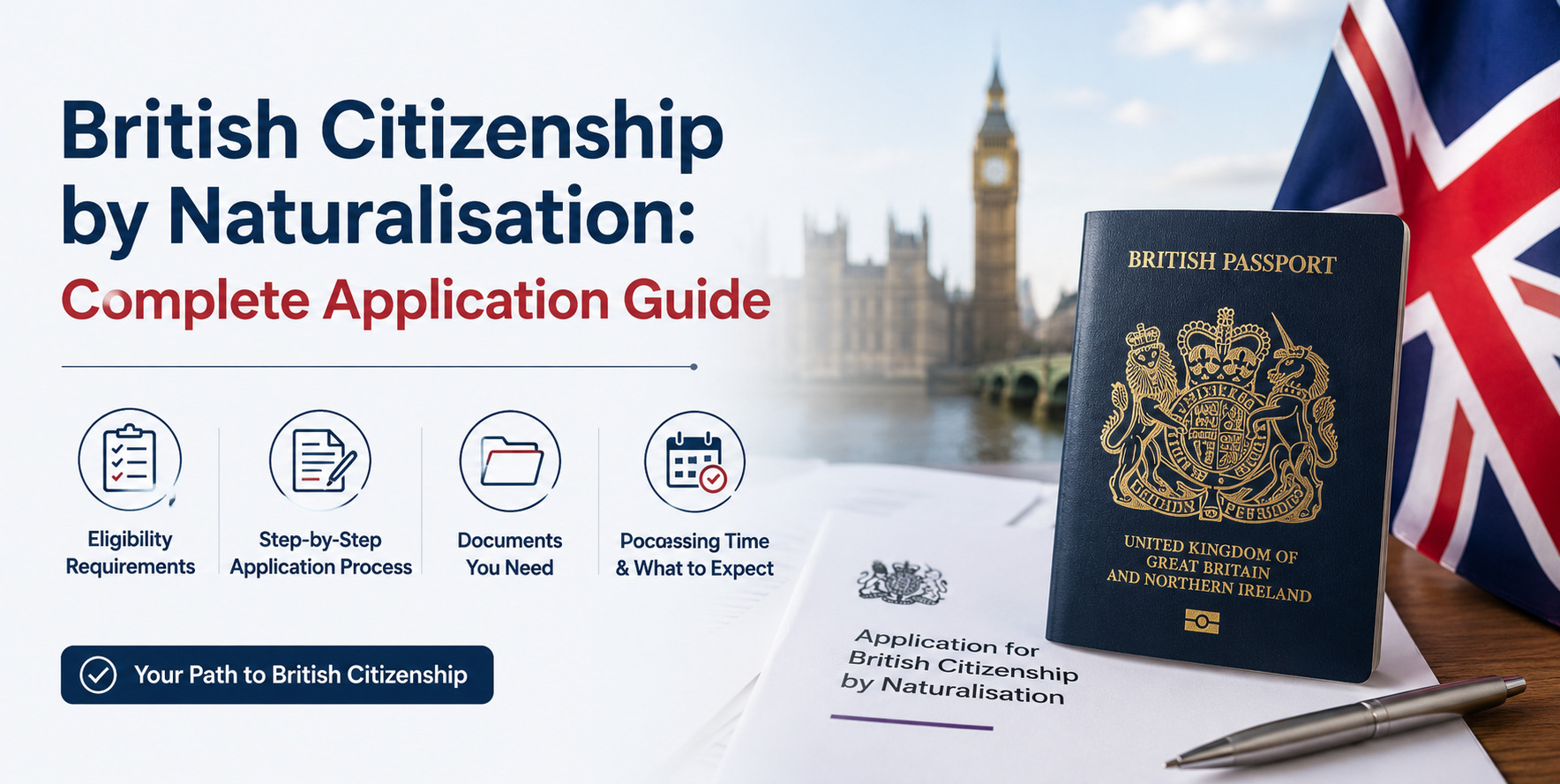
Applying for British Citizenship by naturalisation? Learn the eligibility rules, required documents, costs, and application steps. Explore more.

Discover how Indefinite Leave to Remain can offer long-term stability, work flexibility, and a path to British citizenship. Learn more today.

Understand the most common UK student visa refusal reasons in 2026 and learn when to appeal or reapply. Explore your next steps with confidence.

Use our Immigration Skills Charge calculator to estimate sponsorship costs per worker. Discover what UK employers actually pay and plan ahead.

UK visa administrative review can correct Home Office errors, but it is not right for every refusal. Learn when to seek a review or appeal.
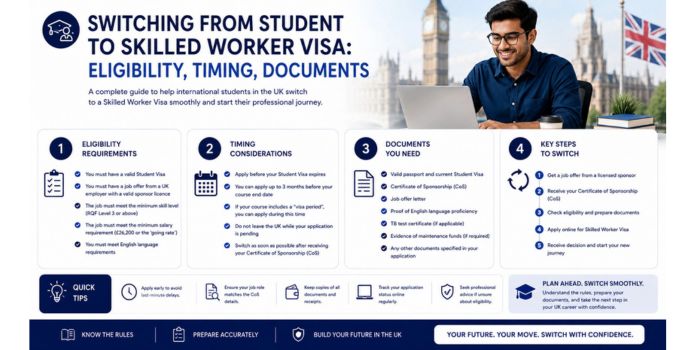
Learn how to switch student to skilled worker UK, including eligibility, timing rules, required documents, and key application steps.
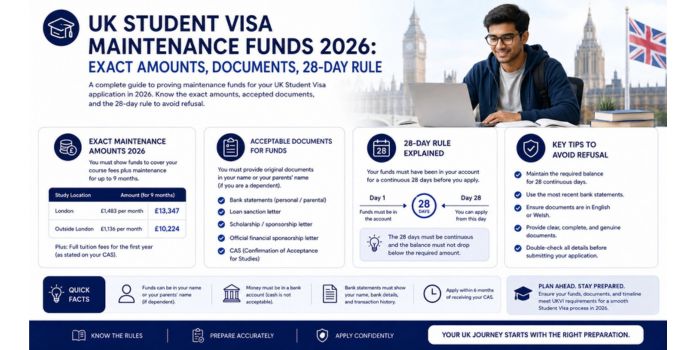
Learn the UK student visa maintenance funds requirements for 2026, including exact amounts, documents, and the 28-day rule. Explore key guidance.
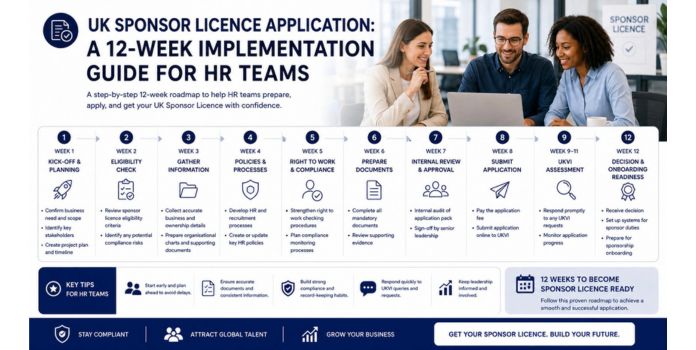
Follow this UK sponsor licence application guide to plan, prepare and submit with confidence. Explore a practical 12-week roadmap for HR teams.
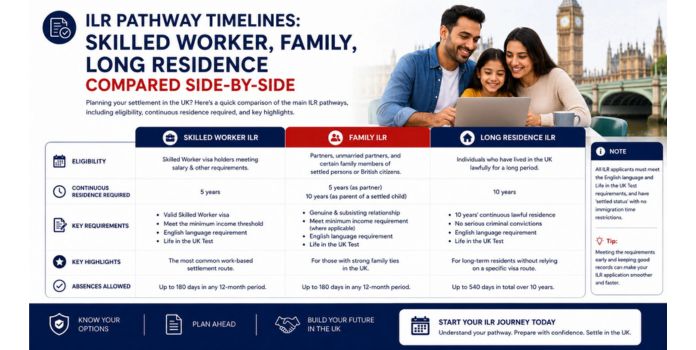
Explore ILR pathway timelines UK employers and migrants should understand across Skilled Worker, Family, and Long Residence routes. Learn more.
Yes. A valid UK Sponsor Licence is a mandatory requirement for employers wishing to sponsor a worker under the Skilled Worker Route.
A Certificate of Sponsorship is an electronic record assigned by a licensed sponsor through the Sponsorship Management System as part of the Skilled Worker Visa UK process.
Processing times vary depending on Home Office workloads and the circumstances of the application. Employers should check current GOV.UK guidance and seek regulated advice where recruitment timelines are important.
Yes. Small businesses and charities can apply for a Sponsor Licence if they meet the Home Office's eligibility, suitability, and genuineness requirements. Reduced fee rates may apply to qualifying organisations.
The Home Office may take compliance action ranging from a warning or licence downgrade to suspension or revocation in more serious cases. Maintaining accurate records and meeting reporting duties is essential.
Certain sponsorship costs, including the Immigration Skills Charge and the Certificate of Sponsorship fee, cannot lawfully be passed on to or recovered from the sponsored worker. Employers should take care when drafting contractual provisions relating to immigration costs.

GMS Immigration is a trusted UK-based visa consultancy offering expert guidance for visitor, work, family, and settlement visas.With over 10 years of experience and a high success rate, they provide personalised, transparent support to help clients achieve their UK immigration goals.