


Thousands of UK employers discover the same problem every year. A role looks skilled. The candidate is qualified. The salary meets the requirement. Yet the sponsorship application cannot proceed because the occupation code is not eligible under the Skilled Worker Visa UK route.
Occupation codes sit at the centre of the sponsorship system. Every sponsored role must fall within the occupations listed in Appendix Skilled Occupations. That requirement became even more significant after major immigration changes took effect on 22 July 2025. The Home Office raised the skills threshold and removed many roles from general sponsorship eligibility, narrowing the range of occupations available for new applicants.
For employers, this can create uncertainty during recruitment. For workers, it can affect whether a job offer leads to a visa application at all. The rules may appear technical, but the occupation code framework follows a clear structure once the key principles are understood.
This guide explains how occupations are classified, which roles currently qualify for sponsorship, how the Temporary Shortage List and Immigration Salary List operate, and when it may be sensible to seek support through GMS Immigration's Skilled Worker Visa service.
As occupation eligibility remains under ongoing review by the Home Office and the Migration Advisory Committee, readers should always check the latest GOV.UK guidance or obtain regulated immigration advice before making sponsorship decisions.
Not every vacancy can be sponsored under the Skilled Worker Visa UK route. Before a Certificate of Sponsorship can be assigned, employers must establish that the role falls within an eligible occupation recognised by the Home Office. This assessment plays a central role in determining whether a worker can qualify under the Skilled Worker Route and whether the sponsorship application can proceed. The occupation selected affects salary requirements, skill level assessments, and wider eligibility under the UK Work Visa framework.
Every role sponsored under the Skilled Worker Route must be matched to a Standard Occupational Classification (SOC) code. These four-digit codes are drawn from the classification system developed by the Office for National Statistics and are used by the Home Office to identify eligible occupations.
The relevant SOC code does far more than describe the job title. It determines:
Selecting the correct code is therefore critical. An incorrectly assigned SOC code on a Certificate of Sponsorship can create significant difficulties and may lead to a visa refusal if the Home Office concludes that the role has been misclassified.
Here are more details on Skilled Worker Visa UK requirements.
The rules for Skilled Worker Visa UK sponsorship changed significantly on 22 July 2025. From that date, the general skill threshold for new sponsorship increased from RQF Level 3 to RQF Level 6, which broadly corresponds to degree-level occupations. This change reduced the number of occupations eligible for new sponsorship under the Skilled Migration UK system.
For most new applications, occupations listed in Tables 1, 2, and 3 of Appendix Skilled Occupations remain eligible because they are classified at RQF Level 6 or above. Occupations appearing in Tables 1a, 2aa, and 3a generally relate to roles at RQF Levels 3–5 and are now subject to limited exceptions, including certain positions on the Immigration Salary List, the Temporary Shortage List, or specific transitional arrangements for existing sponsored workers.
A common assumption is that any skilled role can be sponsored under the Skilled Worker Visa UK route. In reality, eligibility depends on whether the occupation appears within Appendix Skilled Occupations and satisfies the relevant skill and salary requirements. For employers planning overseas recruitment, understanding which roles qualify under the Skilled Worker Route is an essential part of the sponsorship process.
Following the July 2025 changes, most occupations eligible for new sponsorship sit at RQF Level 6 or above. These are broadly degree-level roles spread across multiple sectors.
Examples include:
| Sector | Typical Eligible Occupations |
| Technology | Software developers, data scientists, cyber security analysts, IT architects |
| Healthcare | Medical practitioners, physiotherapists, pharmacists, radiographers |
| Engineering | Civil, mechanical, electrical, and chemical engineers |
| Finance | Financial analysts, accountants, actuaries |
| Education | Higher education teaching professionals |
| Science | Biological scientists, chemists, and research professionals |
These occupations fall within Tables 1–3 of Appendix Skilled Occupations and remain eligible for sponsorship under the current UK Work Visa framework.
The Temporary Shortage List allows certain occupations at RQF Levels 3–5 to remain eligible for sponsorship where labour shortages have been identified.
Employers should note that:
Roles currently represented include certain financial and accounting technicians, data analysts, and selected business associate professionals. As the list continues to evolve, employers should verify eligibility before proceeding with a Sponsorship Visa UK application.
The Immigration Salary List (ISL) operates differently from the Temporary Shortage List. Its primary purpose is to allow certain occupations to qualify at a reduced salary threshold where permitted under the Immigration Rules.
Inclusion on the ISL does not automatically indicate a labour shortage. It simply affects how salary requirements are assessed for eligible occupations. As future changes remain under review, employers considering sponsorship should confirm the latest position before assigning a Certificate of Sponsorship. Where eligibility is unclear, seeking professional advice can help avoid costly errors in the Skilled Worker Visa UK process.
Bonus read: jobs offering UK visa sponsorship
The July 2025 reforms narrowed the range of occupations eligible for new sponsorship. Even so, several sectors continue to feature prominently within the Skilled Worker Visa UK framework. For employers operating in these industries, international recruitment remains a practical option where the role satisfies the relevant skill level, salary threshold, and occupation code requirements.
Read more: UK work visa options
Technology remains one of the strongest areas for Skilled Migration UK. Most core digital occupations sit comfortably within the RQF Level 6 threshold and continue to qualify under the Skilled Worker Route.
Common examples include:
For many technology employers, the key compliance considerations are accurate SOC code selection and meeting the applicable salary requirements under the UK Employment Visa framework.
Healthcare continues to generate significant sponsorship activity across the UK.
The following occupations remain eligible:
| Sector | Examples |
| Clinical | Doctors, nurses, pharmacists |
| Allied Health | Physiotherapists, radiographers, occupational therapists |
One notable change affects care workers and senior care workers (SOC 6135 and 6136). New overseas recruitment into these roles closed on 22 July 2025, although certain in-country switching arrangements remain available until July 2028 for eligible workers already in the UK.
Engineering occupations remain well-represented within eligible UK Work Visa occupations.
Examples include:
Many employers still refer to sponsorship as a Work Permit UK process. In practice, sponsorship now operates through the Skilled Worker framework. Construction trades have been more affected by the higher skill threshold, so employers should carefully check whether a role appears within the eligible occupation lists or any temporary shortage provisions before proceeding with sponsorship.
Bonus read: UK Sponsor Licence application process
The July 2025 reforms changed who can qualify for new sponsorship, but they did not automatically affect every worker already sponsored under the Skilled Worker Route. Transitional provisions remain an important part of the Skilled Migration UK framework and can allow certain workers to continue their immigration journey even where their occupation would no longer qualify for new sponsorship today.
In some circumstances, workers who received a Certificate of Sponsorship before 22 July 2025 and successfully obtained permission under the Skilled Worker Visa UK route may continue to be sponsored in the same occupation.
Key points include:
Eligibility depends on the worker's immigration history and the specific occupation involved. Employers should verify that the transitional rules apply before proceeding with sponsorship decisions.
Occupation codes do not remain static. The Home Office periodically updates SOC classifications, and roles may be reclassified, merged, renamed, or removed from the eligible occupation lists.
Where a sponsored worker is affected by a code change, employers should carefully review the implications before submitting any extension or change-of-employment application under the UK Work Visa framework.
Particular attention should be given to:
Because these cases can be highly fact-specific, employers and workers should avoid making assumptions about eligibility. Where uncertainty exists, obtaining professional advice before submitting an application can help prevent avoidable compliance issues and disruptions to sponsorship.
A job title alone rarely answers the eligibility question. Two roles with similar names can fall under different occupation codes and attract different sponsorship requirements. Before an employer commits to sponsorship, or a worker begins a visa application, it is important to confirm that the occupation qualifies under the current Skilled Worker Visa UK rules.
The Home Office publishes an official list of occupations that qualify under the Skilled Worker Route. This list includes:
| Information Provided | Why It Matters |
| SOC code | Identifies the occupation |
| Occupation title | Confirms the role category |
| Going rate salary | Helps determine salary compliance |
| Salary table | Shows which salary rules apply |
Employers and applicants should always use the latest version of the eligible occupations list. Occupation codes, salary rates, and sponsorship requirements can change, particularly as the Government continues to review the Skilled Migration UK framework.
Choosing the correct SOC code is not always straightforward. The duties performed by the worker often matter more than the job title itself.
Common areas where mistakes occur include:
These issues can create delays and may affect a UK Work Visa application. GMS Immigration supports both employers and applicants with occupation code assessments, salary reviews, and sponsorship documentation. For organisations applying for a UK Sponsor Licence or individuals pursuing a Skilled Worker Visa UK, obtaining advice before submitting an application can help reduce the risk of costly errors.
Also read: Immigration Skills Charge Calculator for UK Employers
Occupation eligibility under the Skilled Worker Visa UK route is more structured than it may first appear. Every sponsorship decision depends on the correct occupation code, the applicable skill level, and the relevant salary requirements. Since the July 2025 reforms, these assessments have become even more important as the range of eligible occupations has narrowed and the rules have become more nuanced.
The position is also continuing to evolve. The Temporary Shortage List and Immigration Salary List remain subject to review, and future recommendations from the Migration Advisory Committee could influence which occupations qualify for sponsorship in the years ahead. Occupations that qualify today may not necessarily be treated in the same way in 2027.
For both employers and applicants, verifying occupation eligibility should be one of the first steps in any Skilled Worker Route application. A careful assessment at the outset can help avoid delays, compliance issues, and costly mistakes later in the process. If you are unsure whether a role qualifies for sponsorship, seeking advice from a regulated immigration adviser before proceeding can provide valuable clarity and confidence.
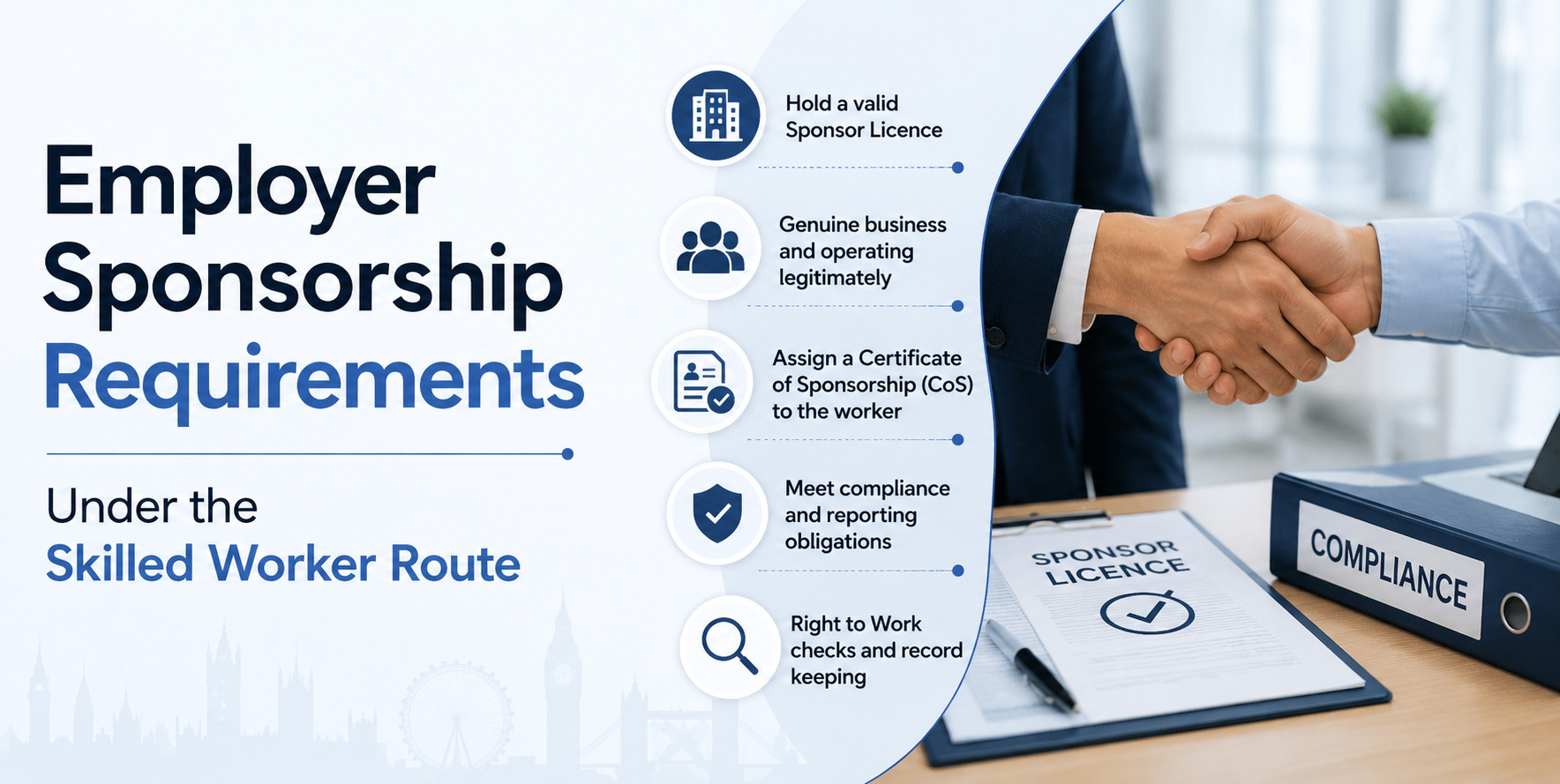
Learn the employer requirements for a Skilled Worker Visa UK, including sponsor licences, compliance duties, and hiring eligibility criteria. Explore more.
Applying for British Citizenship by naturalisation? Learn the eligibility rules, required documents, costs, and application steps. Explore more.

Discover how Indefinite Leave to Remain can offer long-term stability, work flexibility, and a path to British citizenship. Learn more today.

Understand the most common UK student visa refusal reasons in 2026 and learn when to appeal or reapply. Explore your next steps with confidence.
Use our Immigration Skills Charge calculator to estimate sponsorship costs per worker. Discover what UK employers actually pay and plan ahead.

UK visa administrative review can correct Home Office errors, but it is not right for every refusal. Learn when to seek a review or appeal.
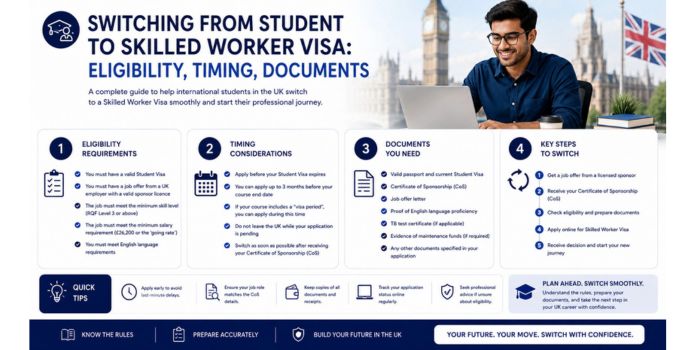
Learn how to switch student to skilled worker UK, including eligibility, timing rules, required documents, and key application steps.
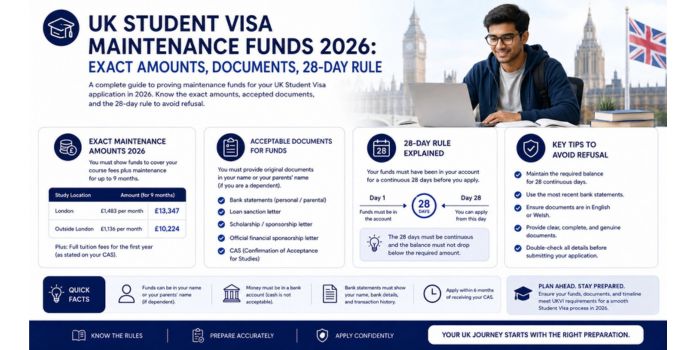
Learn the UK student visa maintenance funds requirements for 2026, including exact amounts, documents, and the 28-day rule. Explore key guidance.
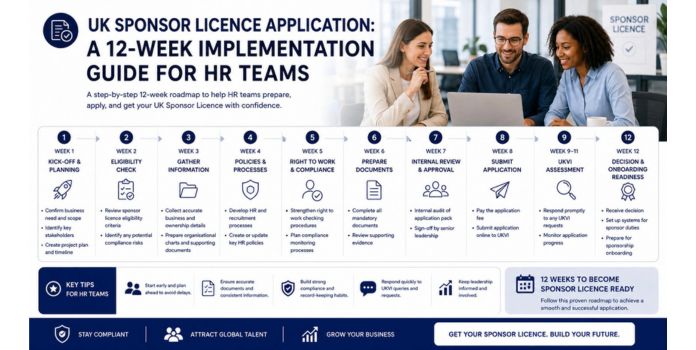
Follow this UK sponsor licence application guide to plan, prepare and submit with confidence. Explore a practical 12-week roadmap for HR teams.
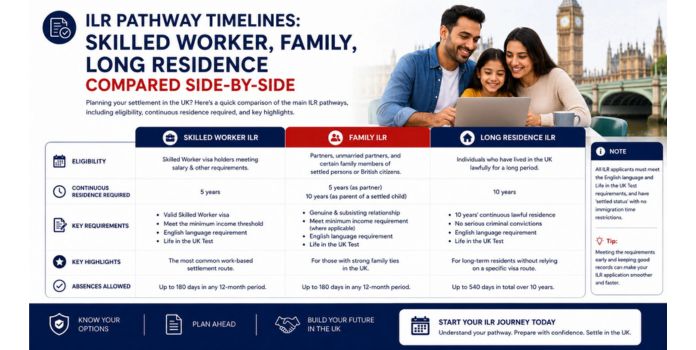
Explore ILR pathway timelines UK employers and migrants should understand across Skilled Worker, Family, and Long Residence routes. Learn more.
Eligible occupations are listed in Appendix Skilled Occupations of the Immigration Rules and must match an approved SOC code. Since 22 July 2025, most new sponsorship applications require roles assessed at RQF Level 6 or above.
A SOC code is a Home Office occupation reference used to classify a job for sponsorship purposes. It determines the applicable skill level, salary requirement, and whether the role qualifies under the Skilled Worker route.
Yes, but only in specific circumstances. Some RQF Level 3 to 5 occupations remain eligible through the Temporary Shortage List, the Immigration Salary List, or transitional arrangements for existing sponsored workers.
New overseas sponsorship for care workers and senior care workers ended on 22 July 2025. Certain in-country applications remain possible until 22 July 2028 for eligible workers already in the UK.
Check the current eligible occupations and SOC codes published on GOV.UK. If there is uncertainty about the correct classification, seek advice from an IAA-authorised immigration adviser before submitting an application.
The Temporary Shortage List allows certain sub-degree occupations to remain eligible for sponsorship temporarily. The list is expected to be reviewed by the Migration Advisory Committee, with current arrangements scheduled for review by the end of 2026.

GMS Immigration is a trusted UK-based visa consultancy offering expert guidance for visitor, work, family, and settlement visas.With over 10 years of experience and a high success rate, they provide personalised, transparent support to help clients achieve their UK immigration goals.