

For UK HR Directors and Heads of Talent, international recruitment is no longer a simple administrative pathway but a high-stakes exercise in statutory alignment. Following the sweeping immigration policy changes of late 2025 and early 2026, the margin for administrative error has effectively vanished. Relying on outdated recruitment templates or rushed submissions now guarantees immediate rejection, leaving critical vacancies unfilled and commercial projects permanently stalled. Navigating this rigid regulatory environment requires a highly structured, clinical approach to corporate immigration.
This UK sponsor licence application guide provides an exhaustive, 12-week implementation blueprint designed to take your business from initial operational planning to successful talent onboarding under the strict provisions of Appendix Skilled Worker. By establishing robust verification systems early, your talent team can confidently secure an A-rated sponsor licence, bypass processing bottlenecks, and build a resilient, legally compliant global talent acquisition pipeline. This strategic approach protects your commercial interests while positioning your business as an employer of choice.
A sponsor licence is a permission granted by the Home Office that allows a UK employer to hire and sponsor eligible overseas workers. Without an approved licence, a business cannot assign a Certificate of Sponsorship or recruit workers under routes such as Appendix Skilled Worker.
For many HR sponsor licence teams, sponsorship becomes relevant when domestic recruitment is no longer meeting workforce needs, particularly in specialist, technical, or difficult-to-fill roles. It is also increasingly important for existing employees with visas that require future sponsorship to remain employed in the UK.
A common mistake is waiting until a vacancy has already become urgent. Employers often discover too late that obtaining a sponsor licence involves preparation, document gathering and Home Office assessment. This can delay recruitment plans by several weeks and create unnecessary pressure on hiring teams.
The Home Office offers licences under both the Skilled Worker and Temporary Worker categories. The Worker routes include sponsorship under the Appendix Skilled Worker, while the Temporary Worker routes cover specific short-term arrangements. Employers can also apply for a combined licence where multiple routes may be needed.
In practice, most UK employers apply for a Skilled Worker sponsor licence because it supports long-term recruitment and workforce planning.
Sponsor licences are no longer managed solely by legal teams or external advisers. The Home Office expects employers to maintain accurate records, monitor sponsored workers, and report relevant changes through the Sponsorship Management System (SMS). These duties sit closely alongside everyday HR operations.
As a result, many organisations now place ownership of their HR sponsor licence processes within HR and talent functions. This helps ensure recruitment, right to work checks, and sponsorship duties remain aligned after licence approval.
For employers planning overseas recruitment, understanding the sponsorship process early can make future hiring far more predictable. You can read more in Skilled Worker Visa sponsorship guidance.
The regulatory landscape for UK corporate immigration has shifted significantly, rendering traditional staffing assumptions obsolete. Under the latest Statement of Changes in Immigration Rules (HC 1691), the Home Office replaced the generic "genuine vacancy" check with a much stricter "eligible role" requirement. Caseworkers now closely scrutinise the operational necessity of every proposed position, matching daily duties strictly to graduate-level skill codes.
For HR sponsor licence teams preparing a UK sponsor licence application guide, understanding these elevated thresholds is vital:
The long-term attraction of international talent has also been reshaped by proposed changes to the pathway for Indefinite Leave to Remain (ILR). The Home Office aims to transition standard settlement routes to a 10-year residency baseline, though accelerated pathways remain for individuals earning over £125,140 (settlement in 3 years) or those in key high-skilled roles earning over £50,270 (settlement in 5 years).
Additionally, effective 1 January 2027, the Graduate visa route will be shortened from 24 months to 18 months for Bachelor's and Master's graduates. This restricted timeframe leaves employers with a much narrower window to assess international graduates. This increases the pressure on internal teams to implement a strategy well before current graduate visas expire.
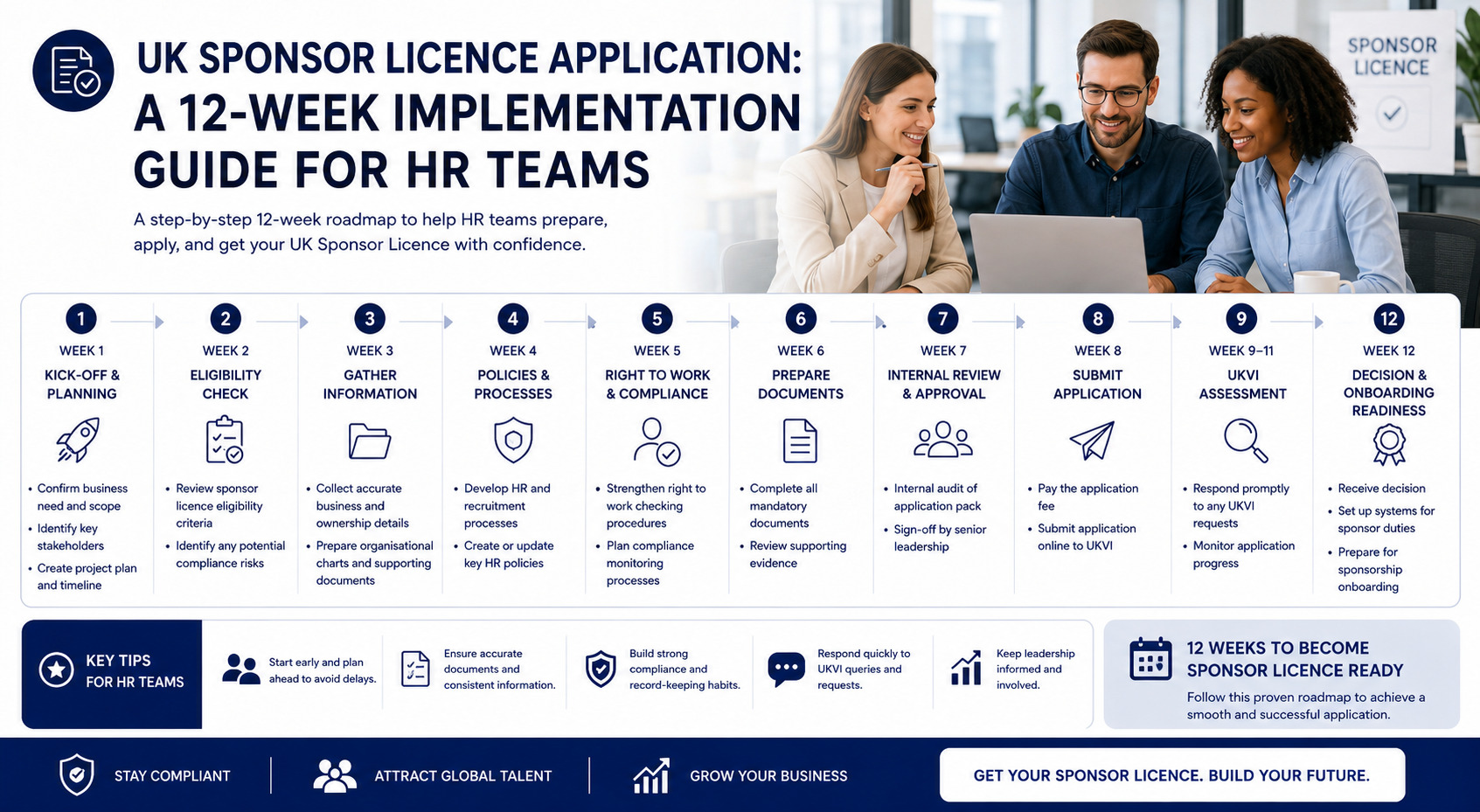
Securing Home Office approval requires a step-by-step approach. While standard processing can take up to eight weeks, executing a planned implementation strategy allows your HR team to audit internal databases, nominate key personnel, and gather flawless corporate evidence.
Here is the sponsor licence step by step process:
Week 1: Establishing the Business Case and RQF Mapping: Your team must map proposed international vacancies against the Appendix Skilled Occupations. Standard sponsored roles must meet the RQF Level 6 skill threshold (graduate level) and satisfy the genuine vacancy requirement to prove the position is operationally necessary.
Week 2: Nominating and Vetting Key Personnel: Nominate your UK-based key personnel, identifying a senior manager to act as the Authorising Officer (AO) who holds ultimate responsibility for compliance.
Week 3: HR Systems Auditing and Appendix D Alignment: Configure your internal HR tracking systems to record and retain sponsored workers' passports, national insurance numbers, and right-to-work history under Appendix D record-keeping mandates.
Week 4: Document Collection under Appendix A: Meticulously gather your mandatory corporate documents, such as commercial leases, employer's liability insurance, and HMRC registrations.
The second month transitions your organisation from internal preparation to formal interaction with the Home Office.
Week 5: Online Portal Submission and Fee Settlement: Complete the online portal application and pay the tiered statutory fee (£611 for small sponsors, £1,682 for medium or large organisations).
Week 6: Document Dispatch within the 5-Day Deadline: You must email your compiled Appendix A supporting evidence to the Home Office within five working days of submission. Late submissions result in automatic application rejections.
Week 7: Managing the Processing Queue and Priority Options: Monitor your application status. To bypass the eight-week standard wait, you can purchase the pre-licence priority service for £750 to secure a decision within ten working days.
Week 8: Pre-Licence Compliance Audit Preparation: Prepare your nominated key personnel for potential announced or unannounced UKVI compliance site visits.
The final phase covers activating your licence, allocating certificates, and completing the onboarding process.
Week 9: Licence Activation and SMS Portal Vetting: Upon receiving your approved 'A-Rating,' log into the Sponsor Management System (SMS) to establish secure user controls.
Week 10: Requesting and Allocating Certificates of Sponsorship (CoS): Request a Defined CoS for overseas applicants or allocate an Undefined CoS for in-country switchers. Sponsoring employers must absorb all licensing and CoS fees.
Week 11: Candidate Visa Readiness and Eligibility Checks: Confirm your candidate meets all requirements, including holding verified maintenance funds and demonstrating English language proficiency to at least CEFR Level B2.
Week 12: Visa Submission, Biometrics, and Day-One Compliance: Once the visa is granted, perform a digital online right-to-work check before the employee’s first day to finalize the onboarding process.
The master schedule below provides executive oversight, aligning key actions with specific operational milestones.
| Action Item | Core Statutory Objective | Critical Vulnerabilities |
| Role Mapping | Align jobs with RQF 6+. | Below-threshold salary. |
| Vetting Personnel | Nominate AO, KC, Level 1. | Disqualifying records. |
| Systems Audit | Setup Appendix D tracking. | Missing audit trails. |
| Gather Evidence | Retrieve Appendix A files. | Mismatched company details. |
| Submit Portal | Pay tiered statutory fees. | Incorrect size tier. |
| Email Documents | Send files within 5 days. | Rejection due to delay. |
| Queue Check | Optionally buy £750 Priority. | Failing to secure a slot. |
| Audit Prep | Run mock compliance checks. | Staff failing interviews. |
| SMS Setup | Activate portal access. | Excessive admin access. |
| CoS Allocation | Request Defined/Undefined CoS. | Passing fees to the candidate. |
| Candidate Check | Verify CEFR B2 & finances. | Failing language test. |
| RTW Check | Complete digital right-to-work. | Illegal early onboarding. |
Evidentiary alignment is the most common failure point for corporate applicants. Under Appendix A of the Home Office guidance, standard trading entities must submit a minimum of four mandatory documents to prove a genuine trading presence in the UK. Failing to meet these strict standards results in immediate rejection and an administrative cooling-off period.
To ensure your application is successful, this outlines the baseline evidentiary checklist for standard businesses operating for more than 18 months:
For sector-specific entities, additional rules apply. Start-ups trading for less than 18 months must supplement their application with a comprehensive business plan and financial forecasts. Charities must provide their Charity Commission registration alongside their governing constitution. For highly regulated sectors like healthcare or financial services, the Home Office will perform online registry checks with the Care Quality Commission or Financial Conduct Authority.
Securing an active "A-Rating" is not the final step of the corporate immigration process; it marks the beginning of an ongoing, legally binding operational commitment. The Home Office has intensified its enforcement stance, revoking nearly 2,000 sponsor licences in 2025 alone due to administrative oversights such as late reporting, missing right-to-work checks, and role discrepancies.
Under the strict provisions of Appendix D, your HR team must maintain a comprehensive audit trail for every sponsored worker for at least six years. To preserve your licence, you must report key organisational or candidate changes via the Sponsor Management System (SMS) within rigid statutory windows:
Furthermore, under the Statement of Changes (HC 1691), sponsors face a strict pay-period compliance regime. Sponsoring employers must prove that Skilled Worker visa holders are paid their required minimum salary during each specific pay period, rather than averaging earnings over a year. You must also formally document that you have informed sponsored workers of their UK employment rights.
Transitioning from reactive hiring to structured talent acquisition is the hallmark of forward-thinking organisations. Successfully navigating the Home Office queue requires viewing corporate immigration not as a fleeting administrative chore but as a core workforce planning project. By implementing the structured blueprint, your HR team can systematically eliminate compliance gaps, vet key personnel, and verify evidentiary files long before submitting the online form.
A predictable outcome relies entirely on meticulous preparation before submission. Relying on outdated assumptions under Appendix Skilled Worker or Appendix Student is a high-risk approach that frequently leads to costly six-month cooling-off periods. Where internal resources or compliance audit procedures require strengthening, seeking early professional guidance is highly advisable.
At GMS Immigration, we provide practical, expert-led support throughout your process, offering hands-on assistance with pre-licence mock audits, initial filings, and ongoing Sponsor Management System (SMS) administrative duties. Partnering with certified advisers ensures your business remains fully compliant with Home Office duties while protecting your international recruitment pipeline. Contact us today to secure a predictable path to sponsorship success.
How long does a UK sponsor licence application take?
Most sponsor licence applications are processed by the Home Office within eight weeks, although timescales can vary depending on application quality, supporting evidence and whether a compliance visit is required. A priority service may be available for faster decisions in some cases.
What documents are needed for a sponsor licence application?
The required documents depend on the organisation, but most employers must provide evidence of trading presence, PAYE registration, employer’s liability insurance, and business bank account information under Appendix A of the sponsor guidance.
Can a small business apply for a sponsor licence?
Yes. Small businesses can apply for a sponsor licence if they are operating lawfully in the UK and can meet sponsor duties. The Home Office assesses suitability, HR processes, and supporting evidence rather than business size alone.
What happens if a sponsor licence application is refused?
If a sponsor licence application is refused, the employer may need to address the issues identified by the Home Office before submitting a new application. Refusals often arise from missing documents, incorrect information, or concerns about sponsor suitability.
Who should be the Authorising Officer on a sponsor licence?
The Authorising Officer should be a senior and responsible employee involved in recruitment or HR oversight. This person is accountable for ensuring the organisation meets its sponsor licence responsibilities and Home Office reporting duties.
How often should HR teams review sponsor licence records?
There is no fixed review period in the sponsor guidance, but regular internal checks are advisable. Many HR sponsor licence teams carry out monthly or quarterly reviews to ensure records remain accurate and reporting duties are being met.
Can an employer sponsor workers immediately after approval?
Once the sponsor licence is granted and the relevant Certificate of Sponsorship is assigned, employers can begin sponsoring eligible workers under Appendix Skilled Worker, provided the role meets sponsorship requirements.
What are the main sponsor duties under Appendix Skilled Worker?
The main sponsor duties include maintaining accurate records, monitoring sponsored workers, reporting relevant changes through the Sponsorship Management System, and ensuring vacancies remain genuine and compliant with immigration rules.
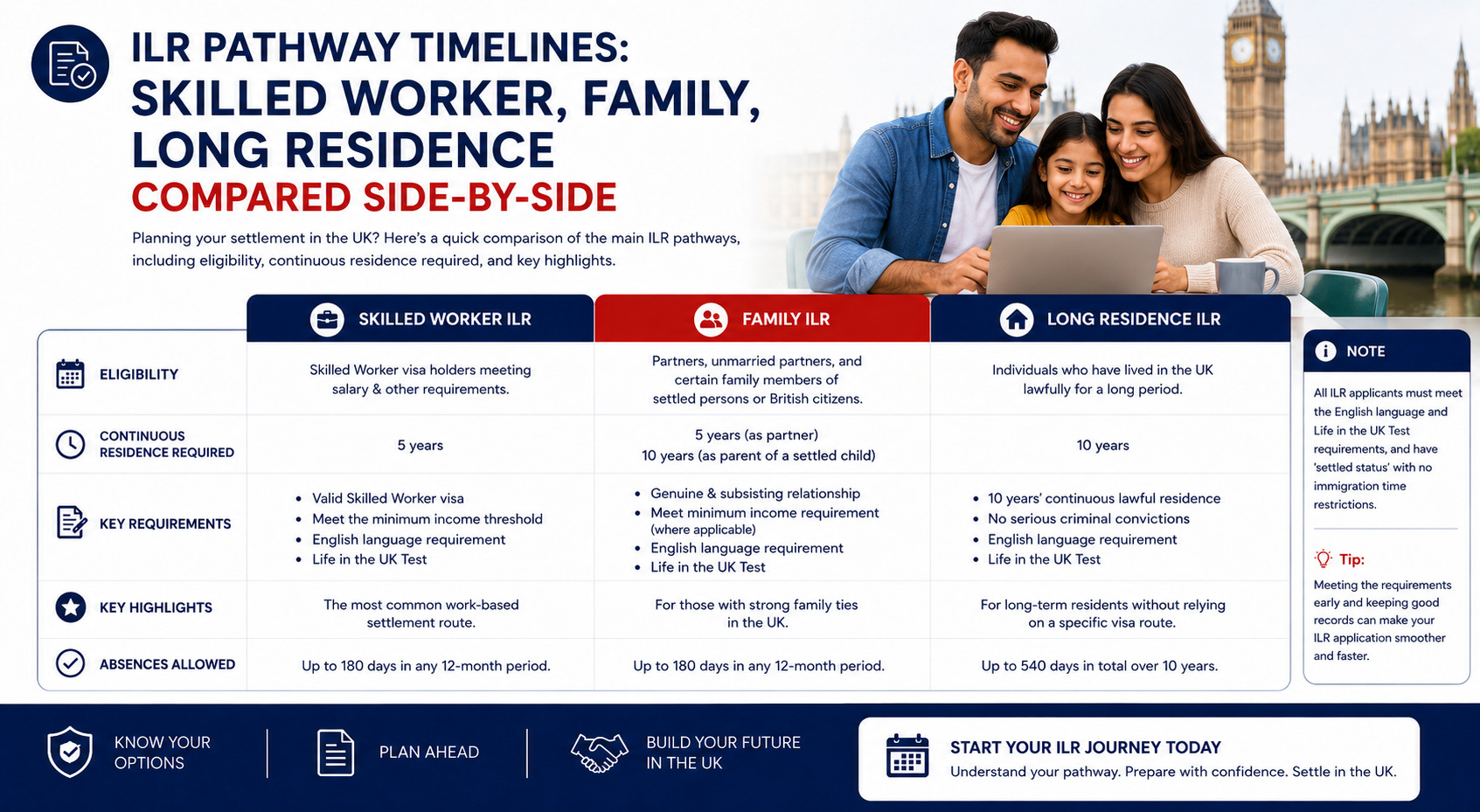
Explore ILR pathway timelines UK employers and migrants should understand across Skilled Worker, Family, and Long Residence routes. Learn more.
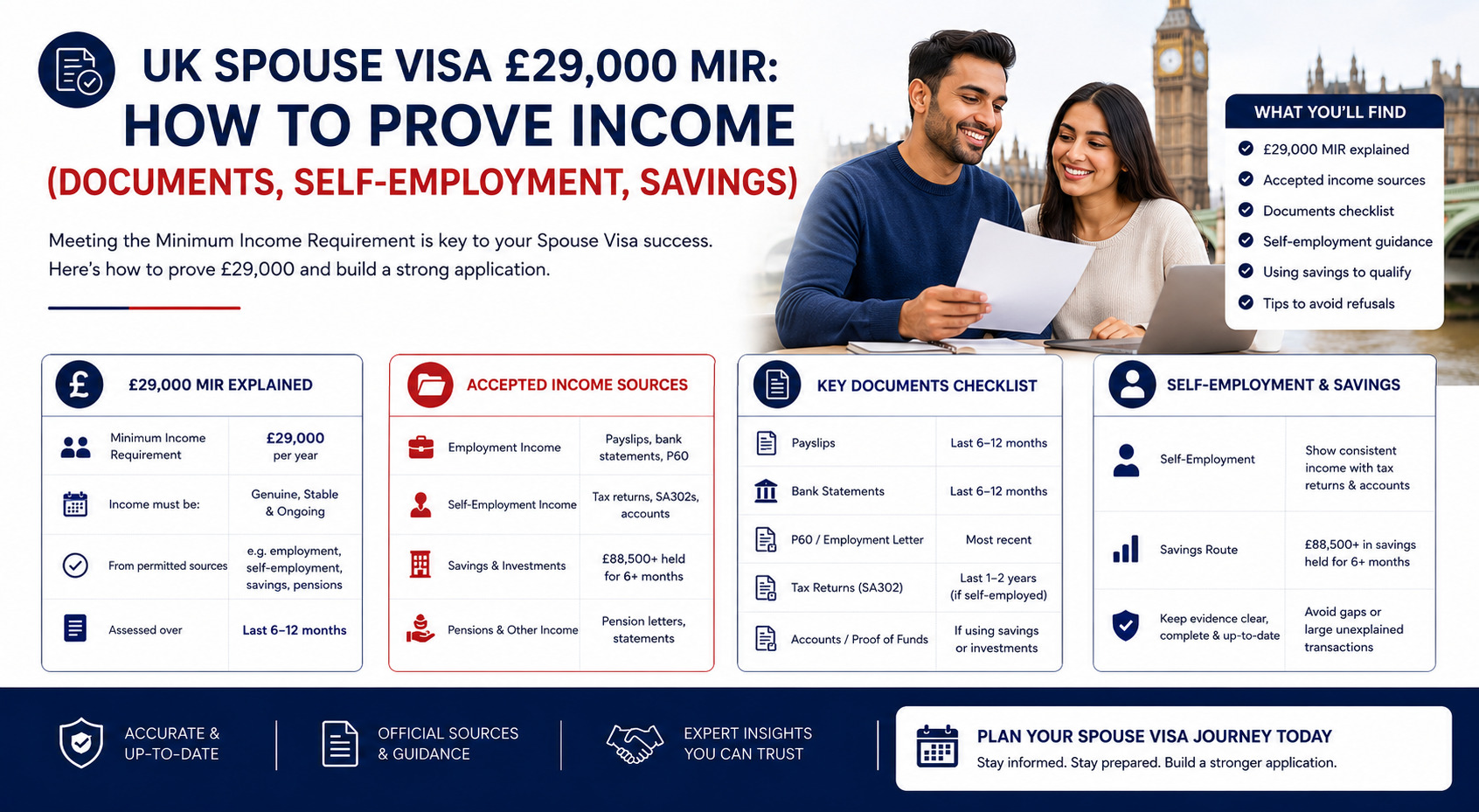
Learn which UK spouse visa £29000 MIR documents you need to prove income through employment, self-employment or savings. Explore key evidence requirements.

Discover how the Shortage Occupation List 2026 impacts reduced salary routes, sponsorship eligibility, and hiring plans for UK employers.
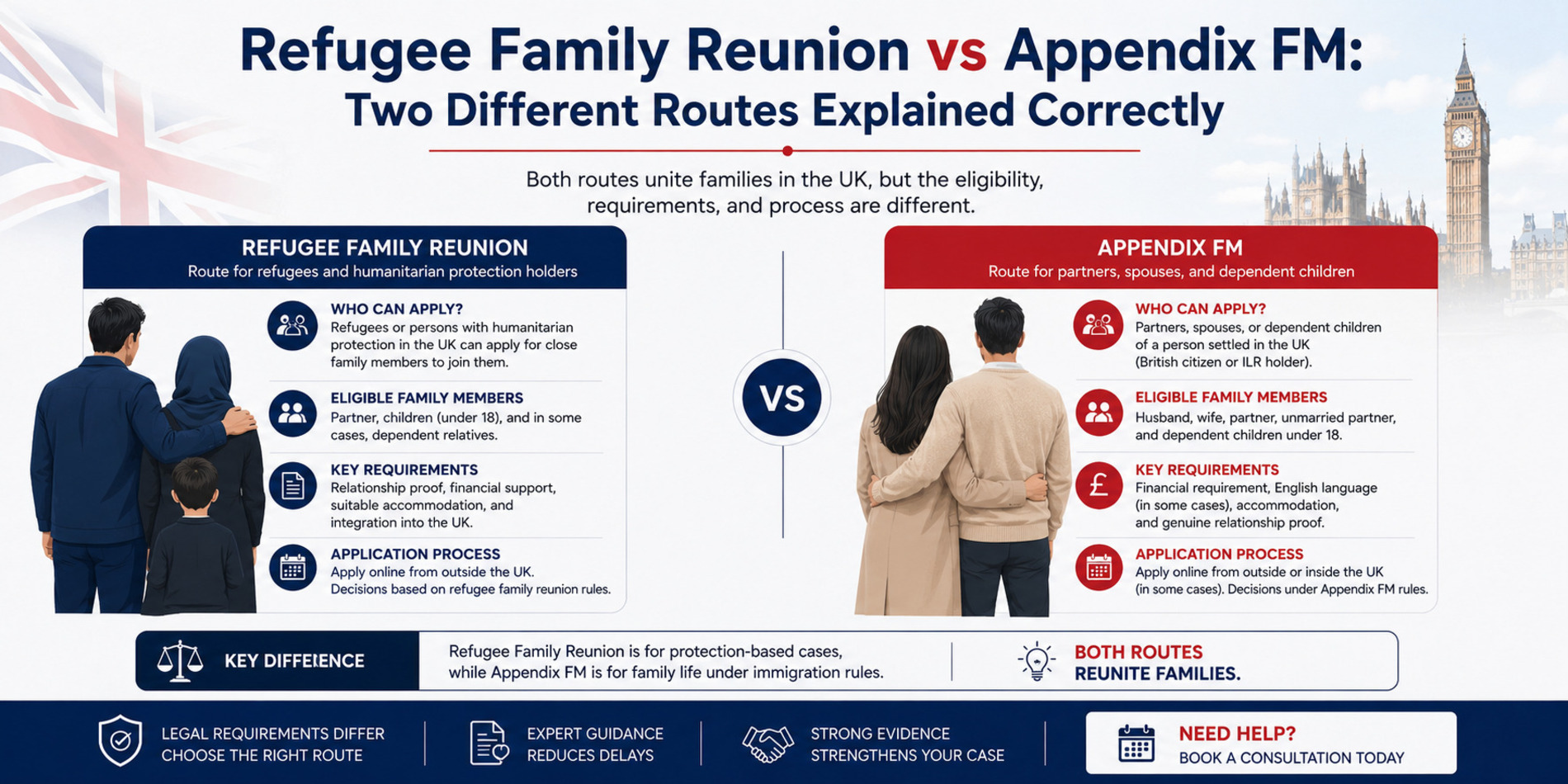
Confused about refugee family reunion UK and Appendix FM? Learn the key differences, eligibility rules, and the right route for your family. Explore now.

The UK High Potential Individual (HPI) visa lets graduates of the world’s top-ranked universities work, look for work, or run a business in the United Kingdom for two years (three years for PhD holders) without needing a job offer or a sponsor.

A UK Dependent Visa allows the spouse, civil partner, unmarried partner, or child under 18 of a main visa holder to live in the United Kingdom for as long as the main visa is valid.

Indefinite Leave to Remain (ILR) is the UK immigration status that lets you live, work and study in the United Kingdom without any time limit. Once granted, you can stay forever, switch jobs freely, claim public funds, and after 12 months you become eligible to apply for British citizenship.

Understand UK Student Visa Requirement, updates, eligibility, costs, and application steps for 2026. Explore your UK student visa application process.

UK Family Reunion Visa explained clearly—documents, process, and approval tips. Avoid common delays and apply with confidence. Learn more.

Apply for a Sponsor Licence UK with a clear step-by-step process. Avoid delays and errors. Learn what documents and checks matter most.

GMS Immigration is a trusted UK-based visa consultancy offering expert guidance for visitor, work, family, and settlement visas.With over 10 years of experience and a high success rate, they provide personalised, transparent support to help clients achieve their UK immigration goals.